Zeekr electric cars in Australia: what’s here and coming soon
Amid the slew of Chinese carmakers looking to establish and expand their foothold in Australia, Zeekr is one you might want to keep an eye on.
A luxury sub-brand of Geely – which itself already sells the EX5 and Starray EM-i in Australia – Zeekr is positioned in the premium segment, giving buyers a fresh alternative to established brands such as Audi, BMW and Mercedes-Benz.
The marque has hit some serious sales milestones recently, the Zeekr 7X electric SUV making its way into the top ten in July, with 1892 cars sold.
With a focus on luxury ‘new energy vehicles’ (NEV), Zeekr’s model range includes all-electric and plug-in hybrid electric vehicles (PHEV). Some have already launched in Australia, and few more are now slated to go on sale this year and next.
What Zeekr models are available in Australia?
Zeekr X
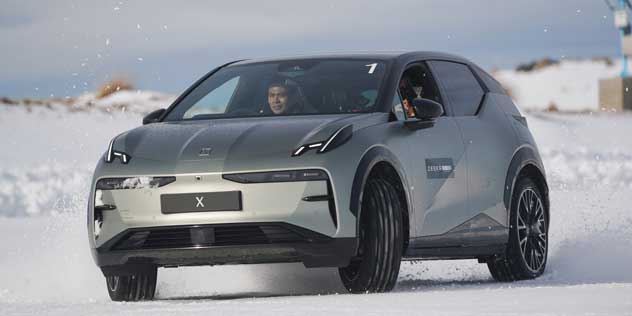
The Zeekr X small SUV was the first Zeekr model to be offered in Australia. It’s sold in two variants, both riding on the ‘SEA platform’ shared with Geely-owned Volvo’s EX30 electric car.
Starting the lineup is a single-motor RWD version for $48,900 before on-roads, which puts out 250kW and has 405km of range (WLTP). A top-spec dual-motor AWD priced from $57,900 delivers 365kW and 415km WLTP range.
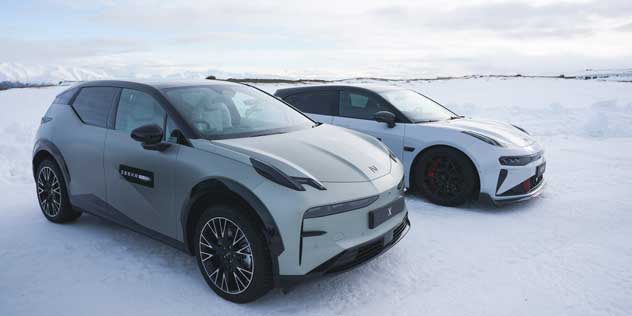
Standard kit is extensive, with the entry-level Zeekr X RWD notably fitted with dual-zone climate control, wireless phone charging, a 14.6-inch infotainment screen running wireless Apple CarPlay and wired Android Auto, an 8.8-inch driver display, six-way electric adjustment for the driver, and a panoramic glass roof.
Zeekr 009
Price, size, luxury and power: everything is done big in the Zeekr 009 people mover.
It starts from $115,900 before on-roads for a front-wheel drive seven-seater and $135,900 for an all-wheel drive seven-seater, then climbs to $139,900 for a capacious six-seat variant. The all-electric Zeekr 009 packs a mammoth 116kWh battery pack, so the entry-level format is rated for 250kW and can accelerate to 100km/h in 7.9 seconds while providing 604km WLTP range. Step up to the dual-motor in either seating format and range drops to 582km WLTP but power goes up to 450kW for a spritely 0-100km/h sprint of 4.5 seconds.
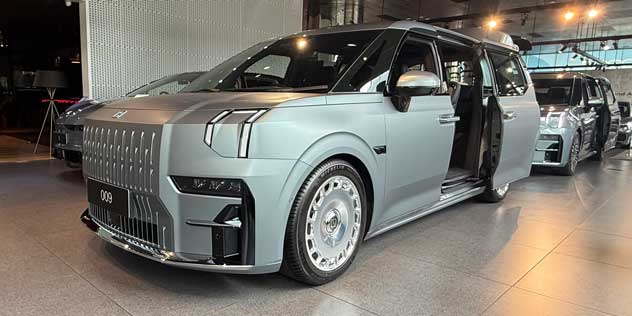
As you’d expect at the price point, the Zeekr 009 is full of luxury and tech features, including high-definition OLED screens for front- and rear-seat passengers, a 30-speaker Yamaha sound system and Nappa leather-clad seats with heating, ventilation and massage functionality.
Zeekr 7X
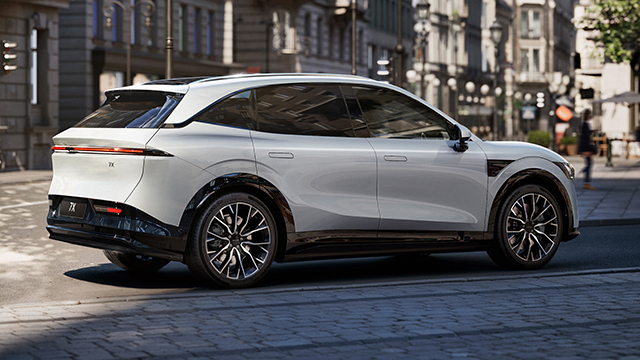
Going after Tesla’s wildly popular Model Y, the Zeekr 7X mid-size electric SUV combines an advanced 800-volt architecture with up to 450kW DC fast-charging capability, and a decent host of standard equipment for a surprisingly lean price.
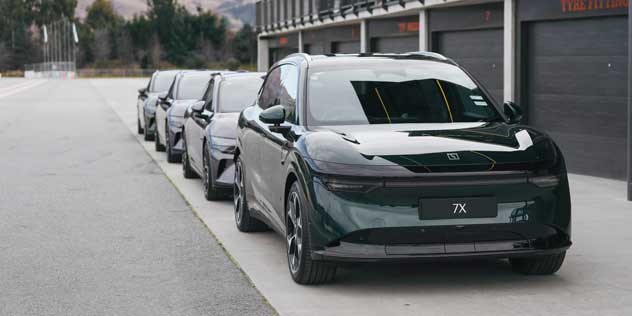
Buyers can get into an entry-level RWD grade for just $57,900 before on-roads, edging the Model Y’s current cost of entry by $1000. Long Range RWD and Performance AWD versions can be had for $63,900 and $72,900 respectively, representing a $16,500 saving for the 7X’s top tier compared to the Model Y’s.
The 75kWh battery in the RWD variant offers 480km WLTP range, 310kW output and acceleration from 0-100km/h in six seconds. The Long Range RWD gets a 100kWh battery rated for 615km WLTP range, while the Performance AWD trim boasts 475kW and a 3.8-second acceleration time, but a more modest 543km WLTP range.
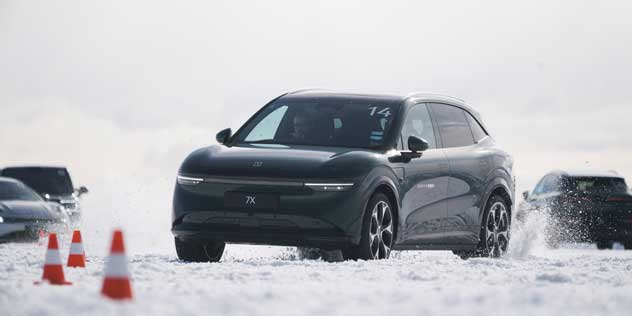
Tech levels are admirable, with LED headlights, a large smartphone-pairable centre touchscreen, tri-zone climate and a powered tailgate all come as standard, but interior styling is muted: black is the only choice for the entry-level RWD, and only the range-topping Performance AWD gets any choice other than black and grey (think purple and white nappa). The Performance AWD also gets a snappy Black Edition exterior/interior package for $3000.
Zeekr 7GT
On the cards for Australia by the end of 2026 or early 2027, and filling the brand’s performance model slot, is the Zeekr 7GT.
Available in China with both 75kWh and 100kWh battery packs, this touring-style performance wagon outputs 310kW/440Nm in RWD guise and 475kW/710Nm in AWD variants. Promising to put German powerhouses on notice, the Zeekr 7GT is already available in Europe offering high tech features like air suspension and power-opening doors along with with tourer sports seats. We can’t wait to see more (hint: soon!).
What other Zeekr models are coming to Australia?
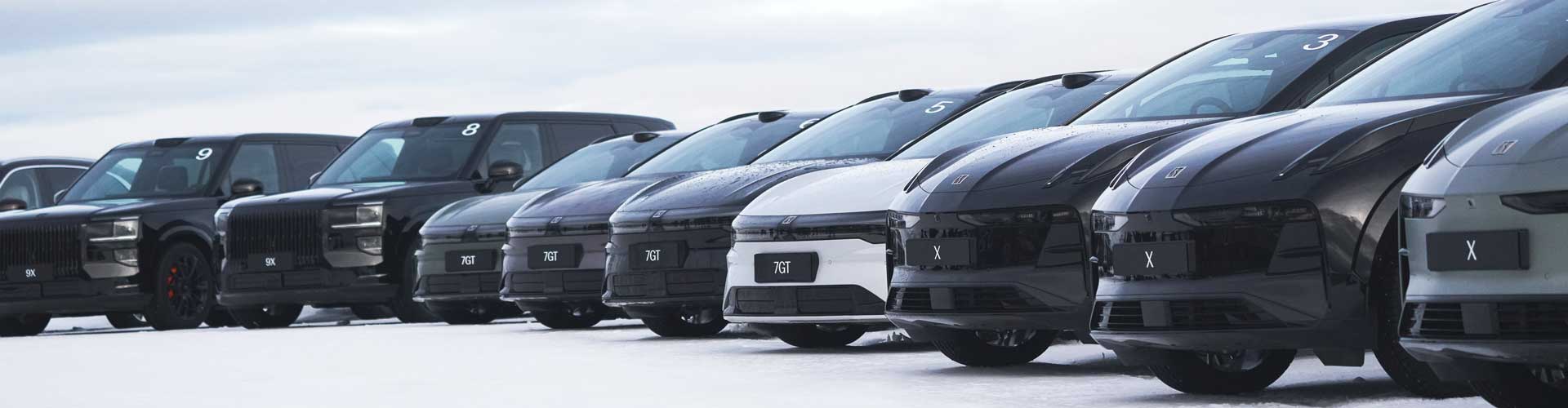
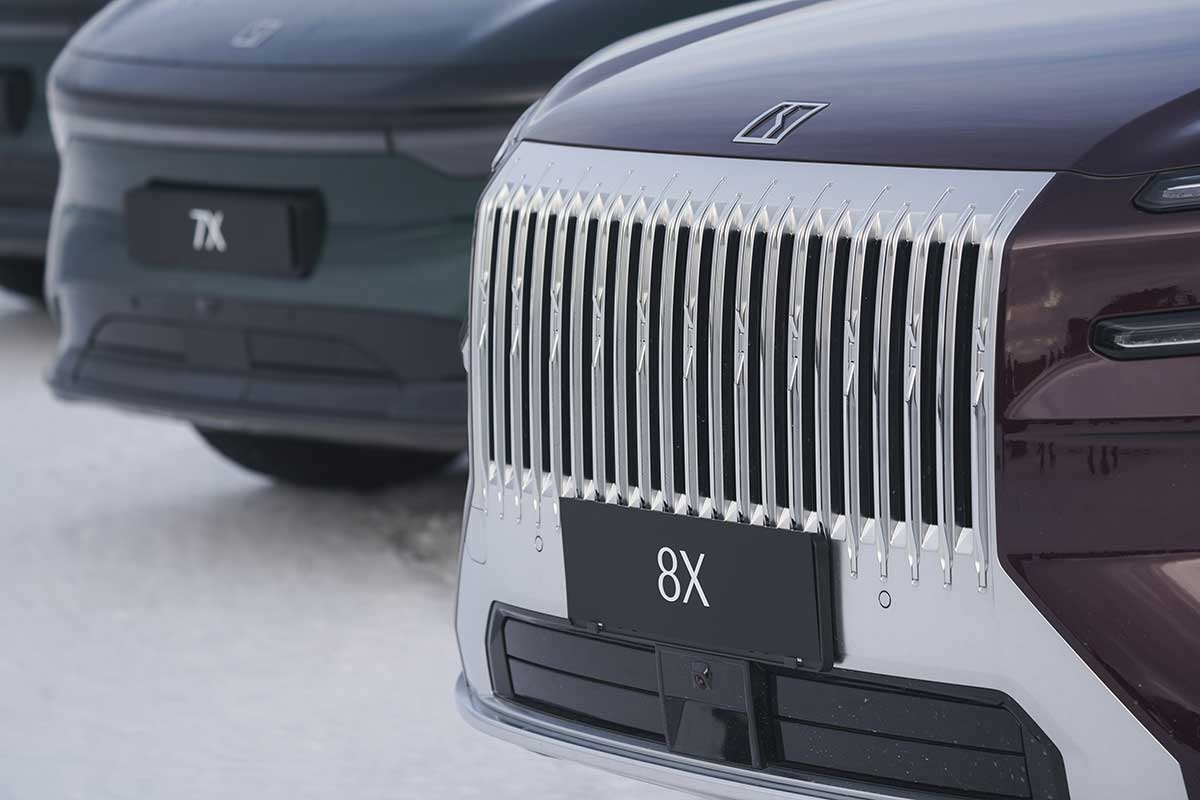
The Zeekr 8X and 9X plug-in hybrids – known as 'Super Hybrids' – are now confirmed for Australia with an eye on the luxury SUV market. Think 8X up against the BMW X5, while the larger 9X moves into BMW X7, Mercedes-Benz GLS and Range Rover territory.
On a recent driving experience in the Southern Alps of New Zealand, the two were previewed driving on ice and at the track, giving an up-close insight on the interiors and demonstrating a surprising agility for large luxury SUVs weighing close to three tonnes.
Zeekr 8X
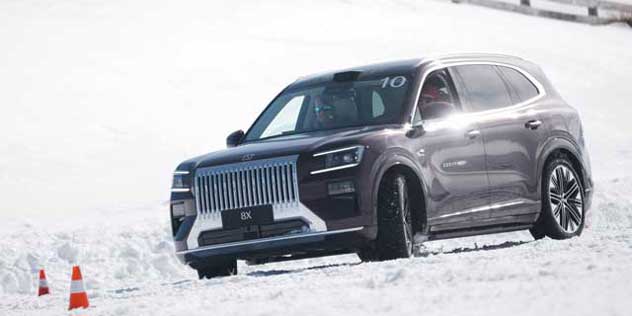
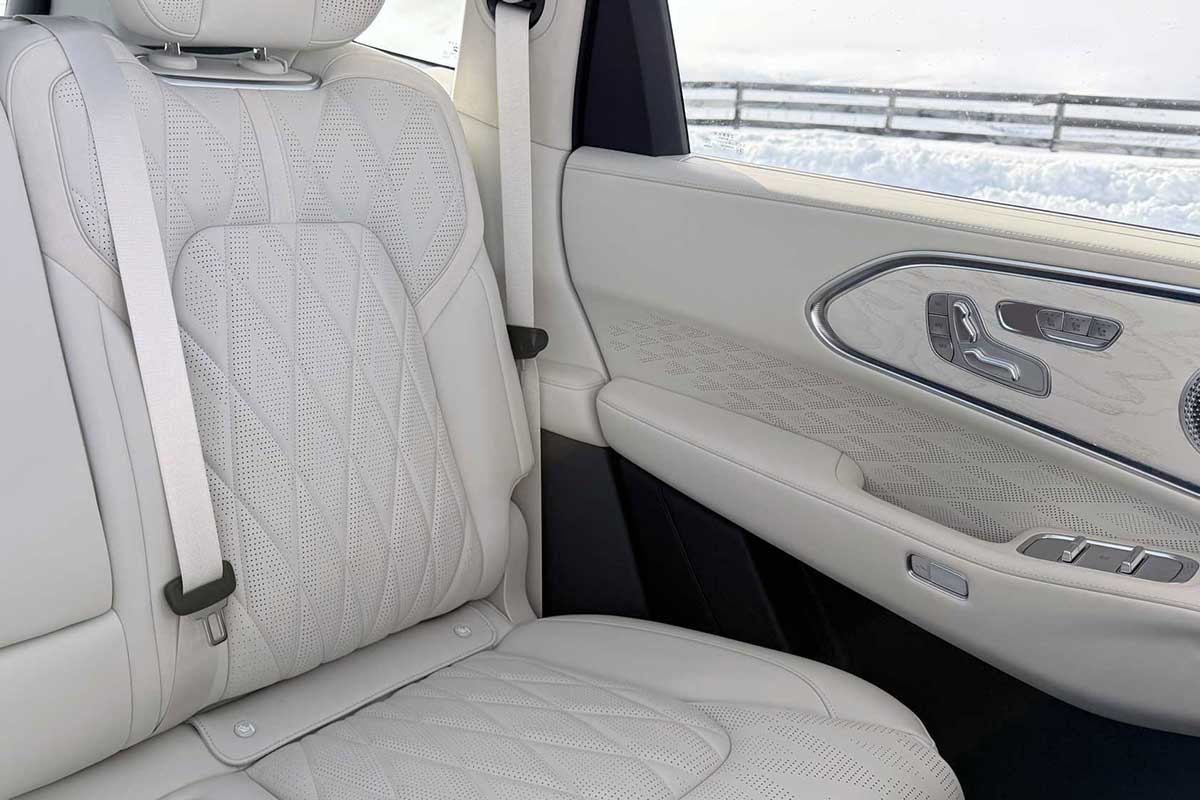
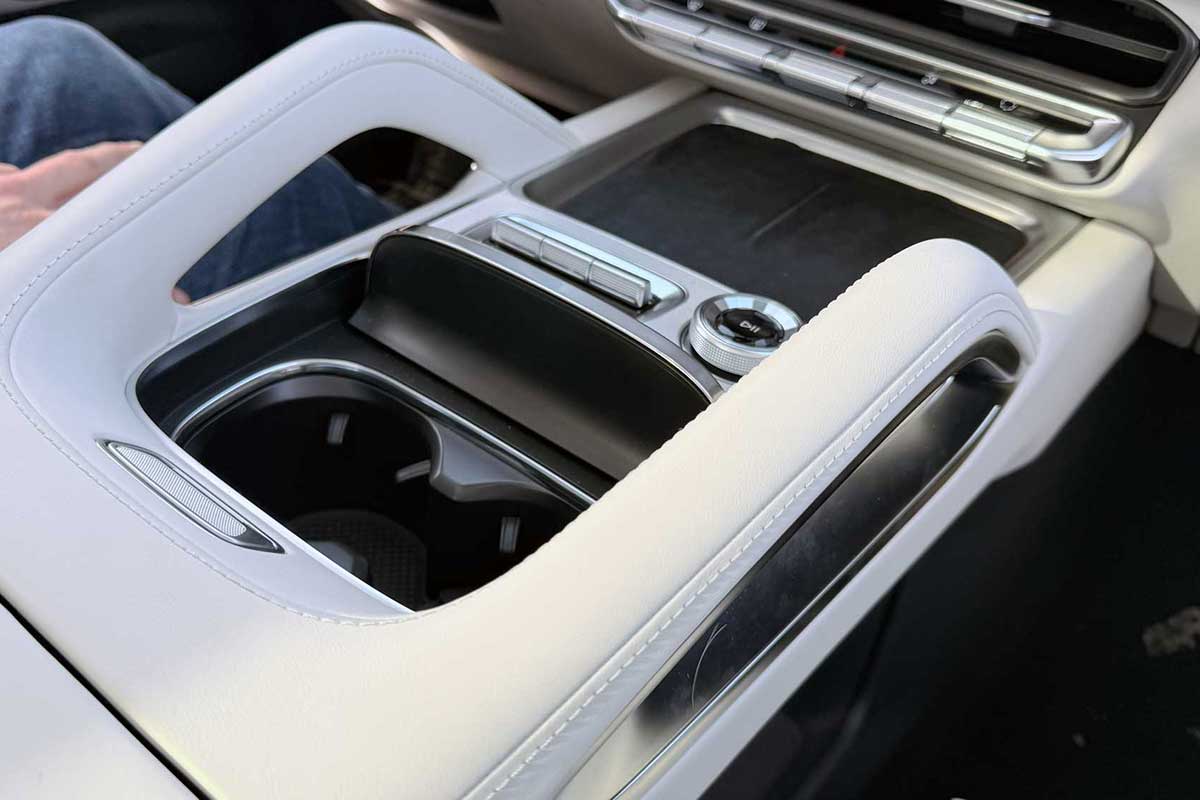
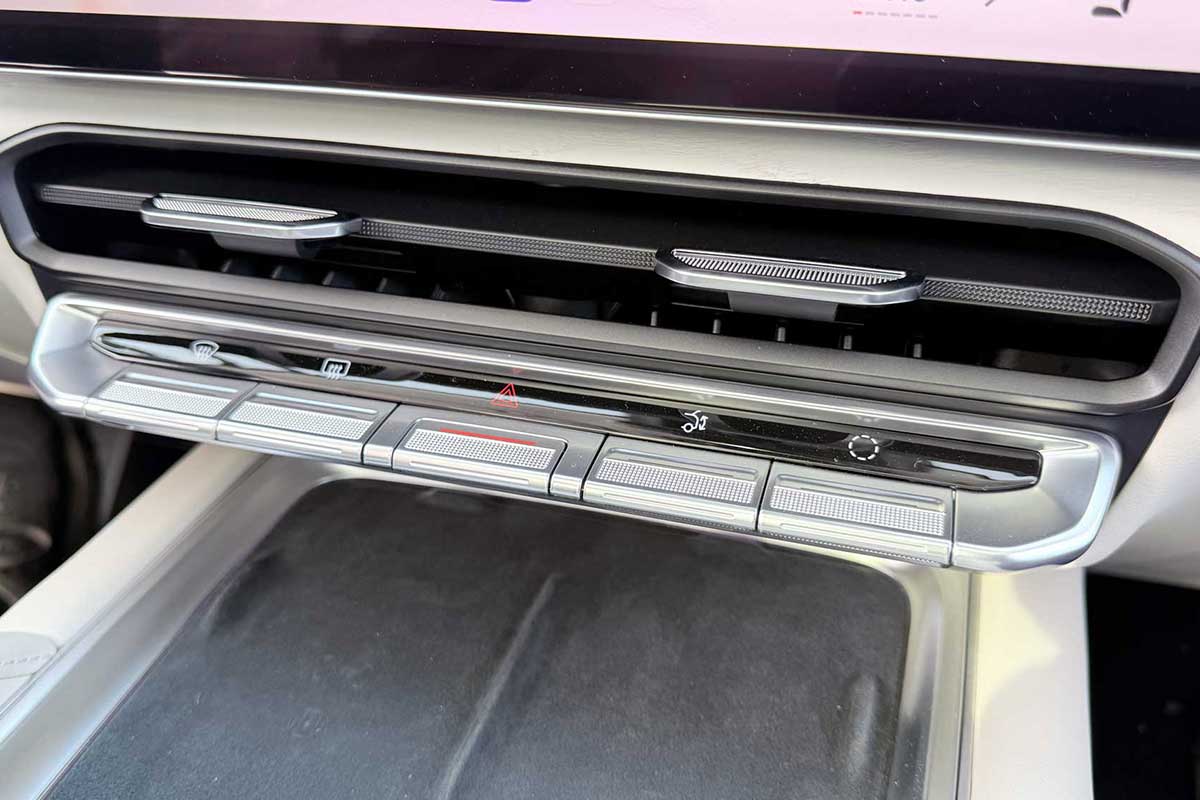
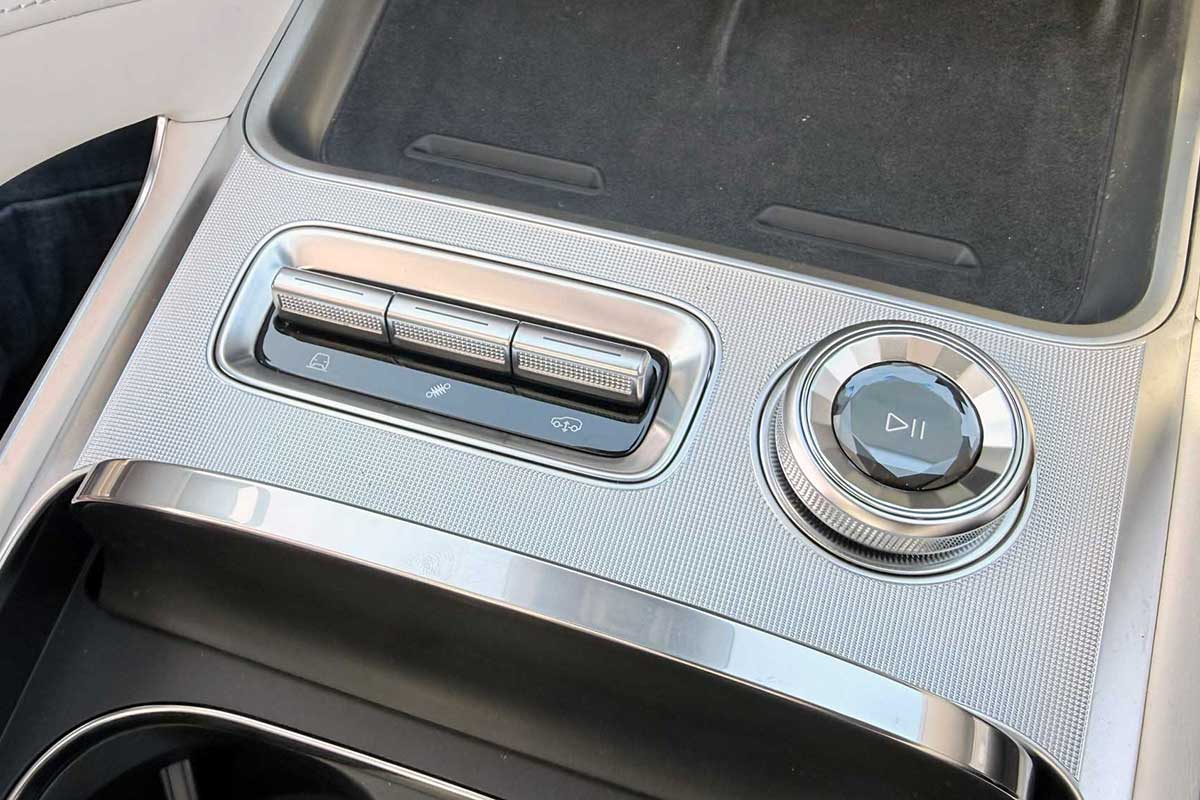
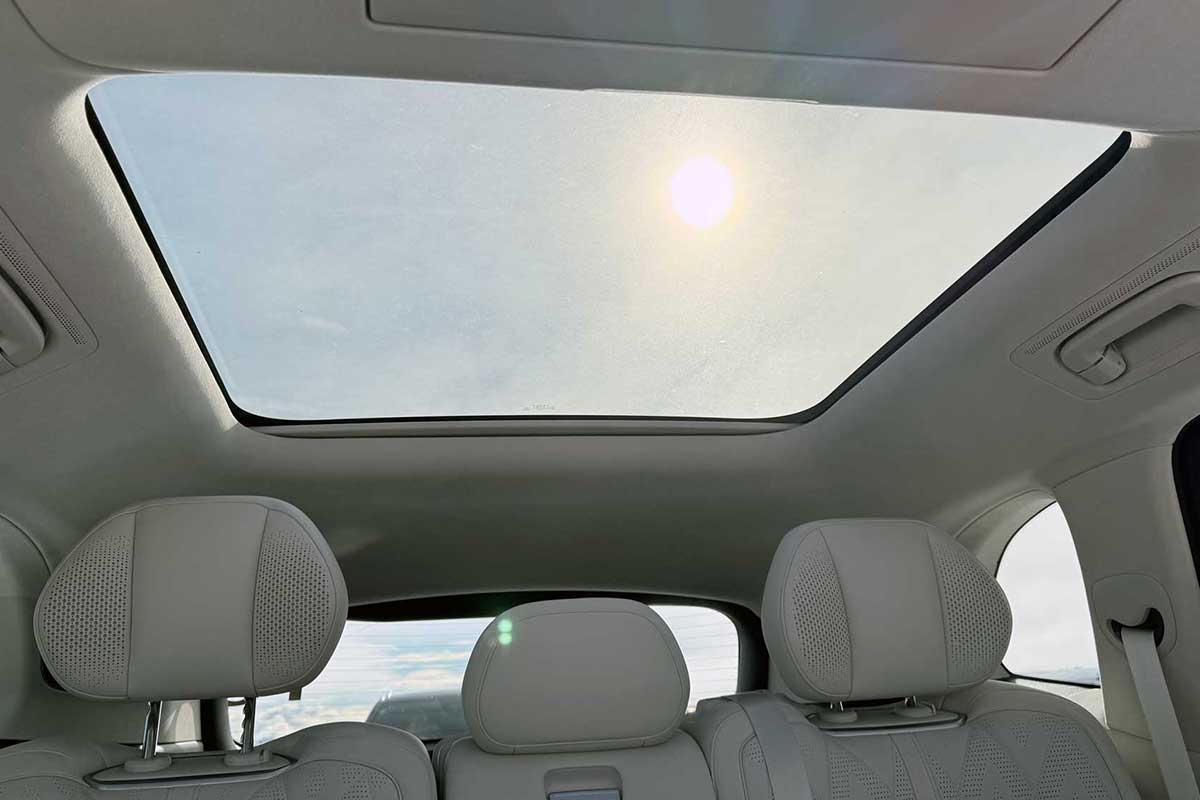
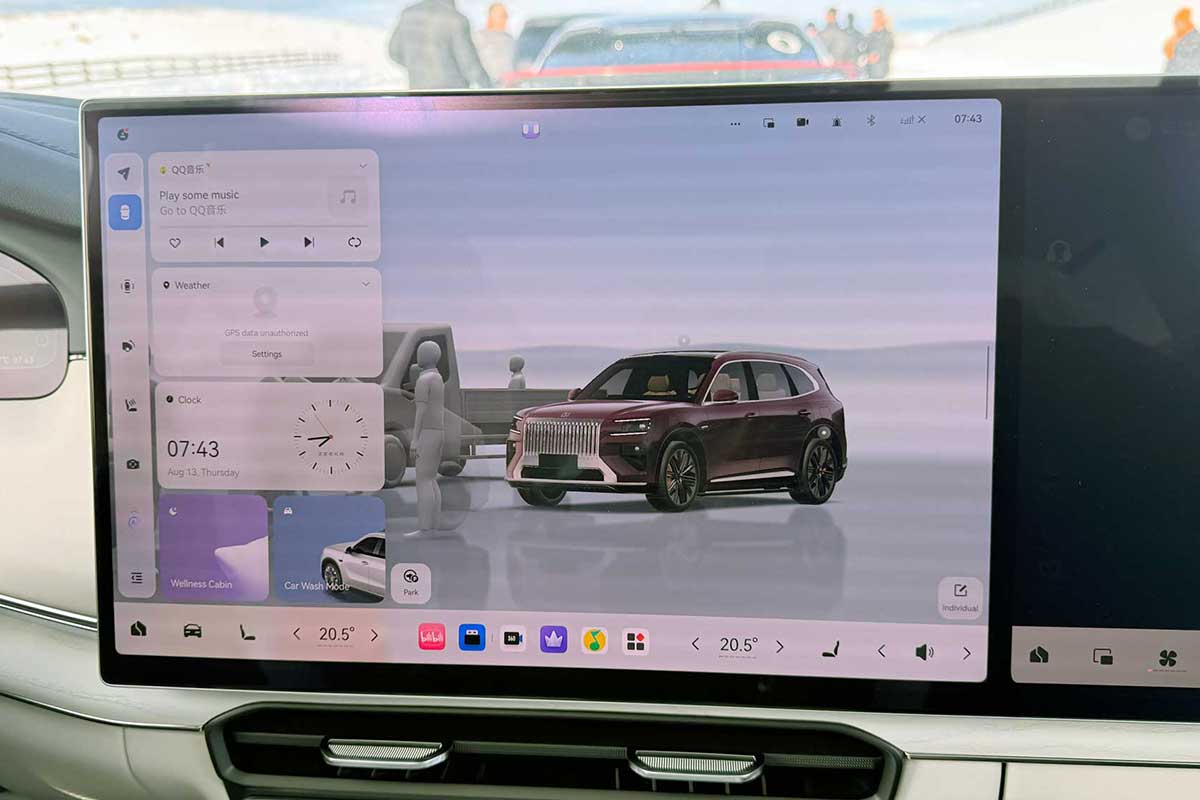
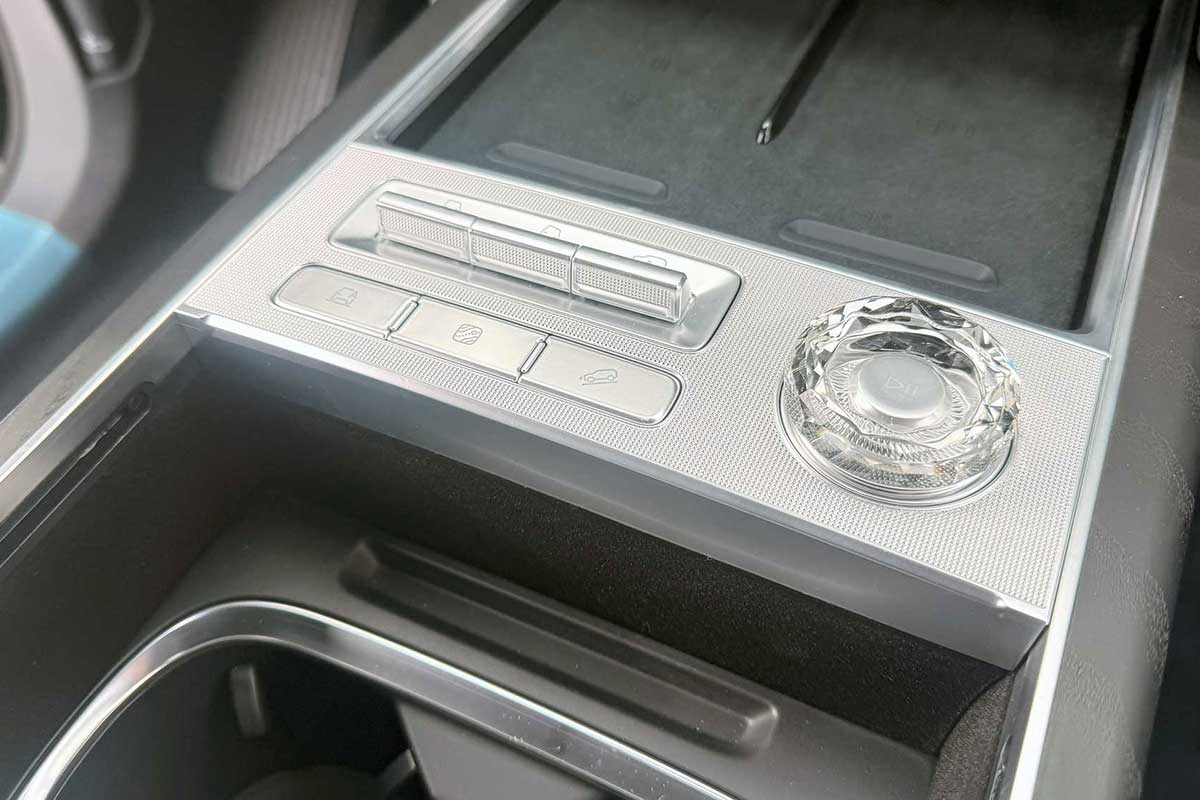
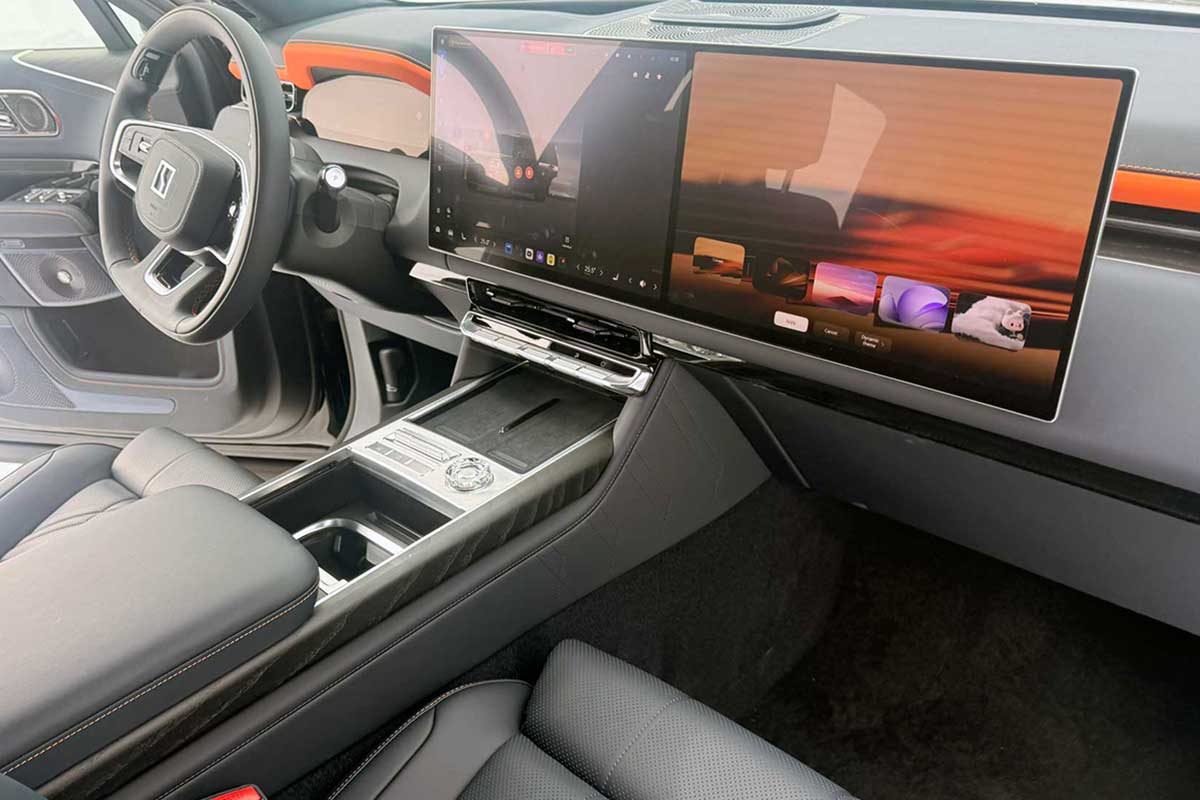
The 8X cabin styling takes a light, lavish approach, with plush cushioned and diamond stitched upholstery, and a mix of metallic, gloss-black and pale patterned trim. A vast dual-screen panel stretches across the dashboard, dividing infotainment and front-passenger functions, while the driver receives a separate instrument display. Despite the digital emphasis, Zeekr has retained rows of textured physical switches beneath the slim air vents and on the centre console, accompanied by a knurled rotary controller. A bridge-style console incorporates twin cupholders, open storage and padded grab handles, while the rear features generously padded perforated seats, door-mounted seat controls and detailed speaker grilles. A large panoramic glass roof completes the bright, spacious feel.
Full local details of the 8X are yet to be confirmed, but what we do know is that both use a 900-volt electrical architecture and pair a 2.0-litre turbo-petrol engine with powerful electric motors, with electric drive doing much of the work. Chinese-market versions offer hefty 55kWh or 70kWh batteries, capacities more akin to those found in some compact electric cars than the comparatively small packs traditionally fitted to PHEVs. At its NZ preview, Zeekr quoted 660kW for the dual motor 8X, along with 257km of electric driving and 1152km of combined WLTP range. The 8X measures around 5.1 metres long and is offered with five or six seats in China.
Zeekr 9X
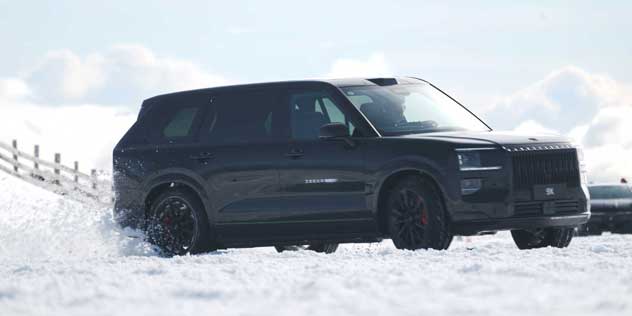
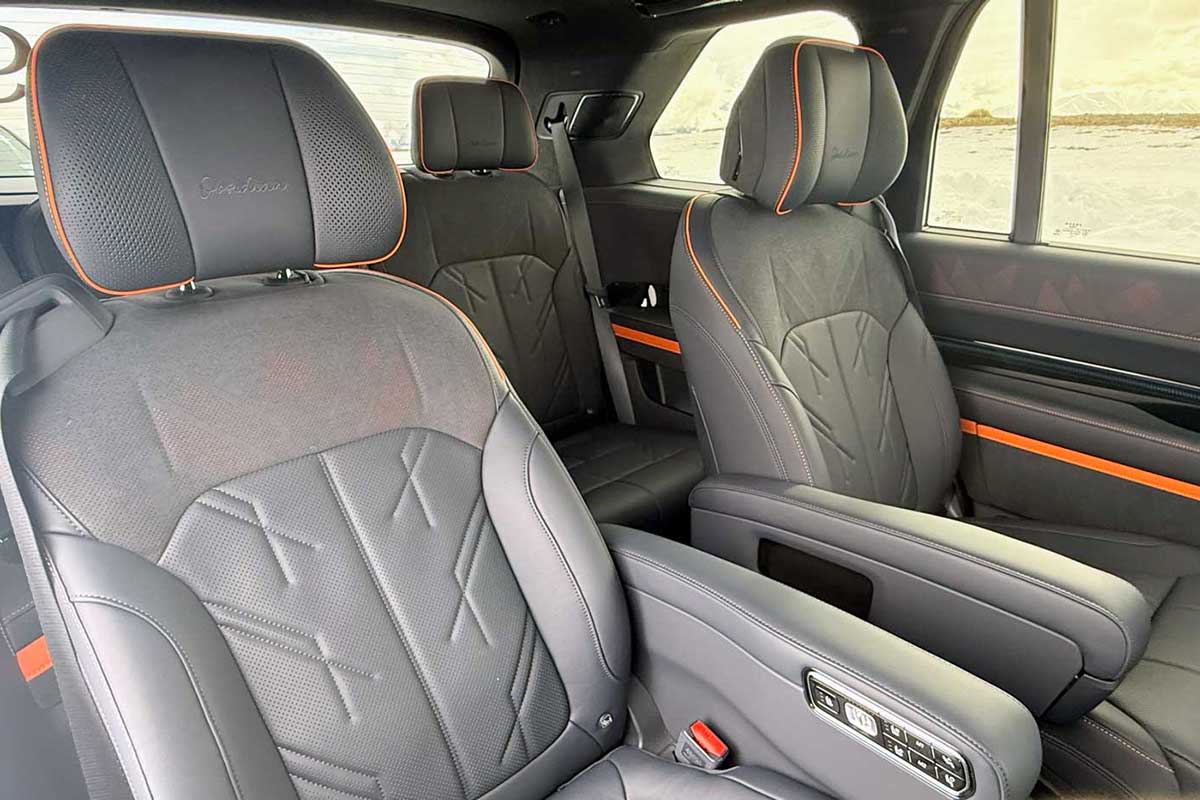
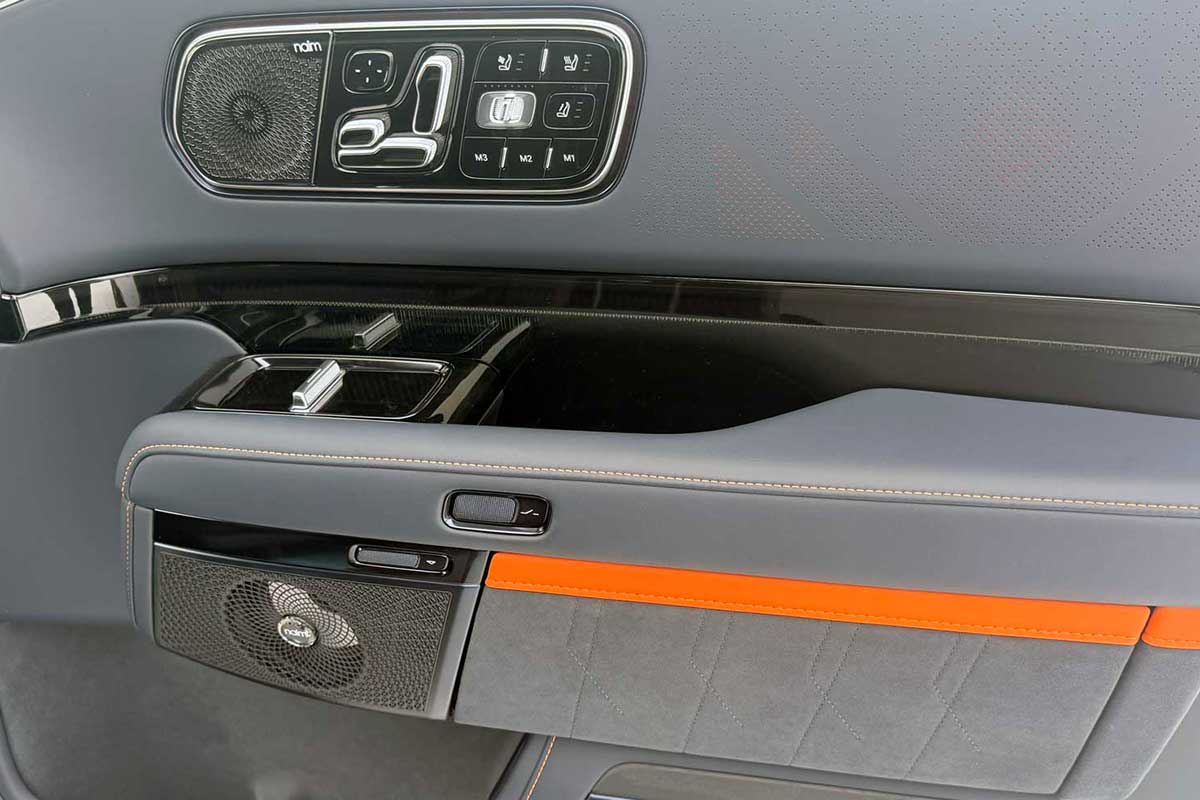
The 5240mm 9X adds a third row, six-seat layout and a greater focus on rear-seat luxury. The 9X cabin adopts a darker, more formal treatment than the 8X, pairing charcoal leather and suede-like surfaces with bright metallic detailing, gloss-black trim and vivid orange accents. As with the 8X, an expansive display spans the centre and passenger side of the dashboard, supported by a separate digital instrument cluster, while physical switches remain beneath the slim central vents and around a faceted rotary controller on the console. The doors layer padded materials, perforated ambient-lit panels and detailed speaker grilles, alongside substantial physical seat controls.
The second row is the real focus, with two individual captain’s chairs featuring broad armrests, integrated adjustment controls and a clear walkway to the third row. It feels more like a private lounge than a conventional seven-seat family SUV, although the orange piping and heavy use of contrasting finishes give the Chinese-market model we previewed a distinctly bold character.
The Chinese-market 9X measures 5239mm long, 2029mm wide and 1819mm high, with a 3169mm wheelbase and a six-seat 2+2+2 layout. Like the 8X, it uses a 900-volt electrical architecture and pairs a 2.0-litre turbo-petrol engine with electric motors. The tri-motor version previewed in New Zealand was quoted with the same unusually large 70kWh battery and extraordinary combined output of 1030kW, supporting electric-only driving range approaching 300km depending on the variant and test cycle, plus more than 1000km of combined petrol-electric range.
Although Australian battery choices, variants, seating configurations, pricing and final launch dates are still to be confirmed, the 9X is currently expected to arrive first, followed by the 8X.