
2026 Subaru Outback review

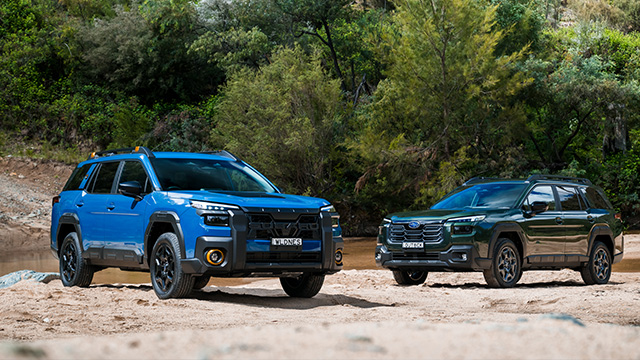
Standing out from the hordes of shiny new SUVs is no easy task, especially in 2026, but it’s a challenge the Subaru Outback has revelled in during its 30-year tenure in Australia.
First released in 1996 as a high-riding, quasi off-road version of the Subaru Liberty wagon, the Outback has become a staple among families, fleets and retirees, offering space, grace and dependable charm.
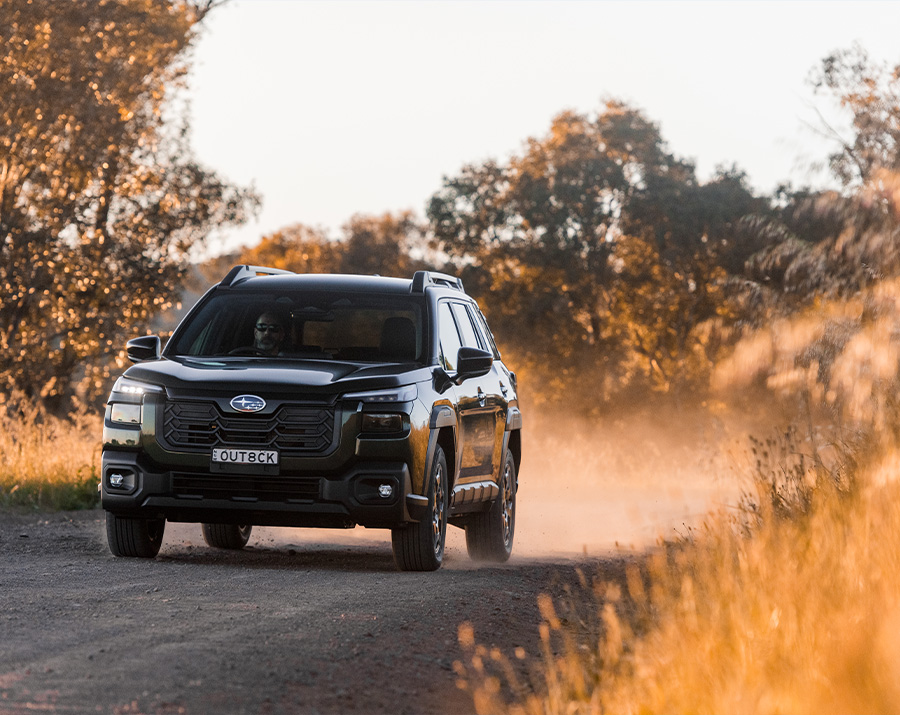
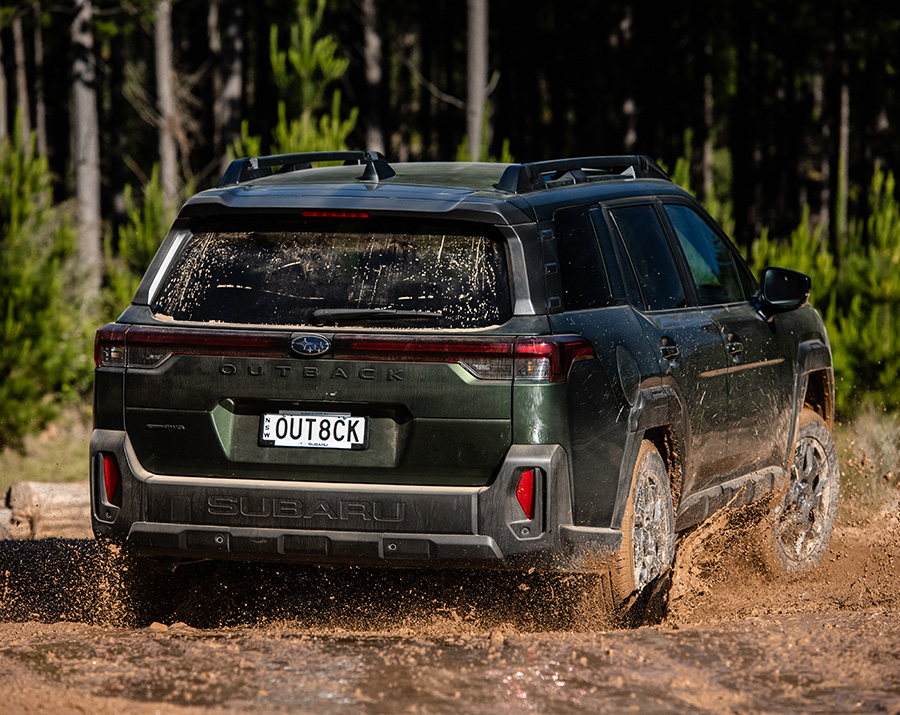
With the Subaru Liberty going the way of the dodo, the Outback is now a model in its own right in seventh-generation form, a trait which has given way to a taller, boxier design and in Subaru’s words “SUV-style proportions”.
Ground clearance is up 7mm to 220mm while approach and departure angles have also been enhanced. Overall dimensions (4880mm long, 1880mm wide, 2745mm wheelbase) are much the same.
Prices are also up across the board in a Subaru Outback range that also includes a new ‘Wilderness’ flagship model.
Has Subaru gone a step too far and homogenised the Outback into just another SUV? Our first impression suggests it might have.
How much does the Subaru Outback cost?
The Subaru Outback range now kicks off at $48,990 plus on-road costs for 2026 – a considerable $4800 increase on the outgoing sixth-generation model.
What’s more, there are incremental pricing increases across the five-variant Outback range.
The middle-grade Outback AWD Premium is priced at $53,490 (up $4800), while the topping the regular range is the Outback AWD Touring for $56,990 (up $4500).
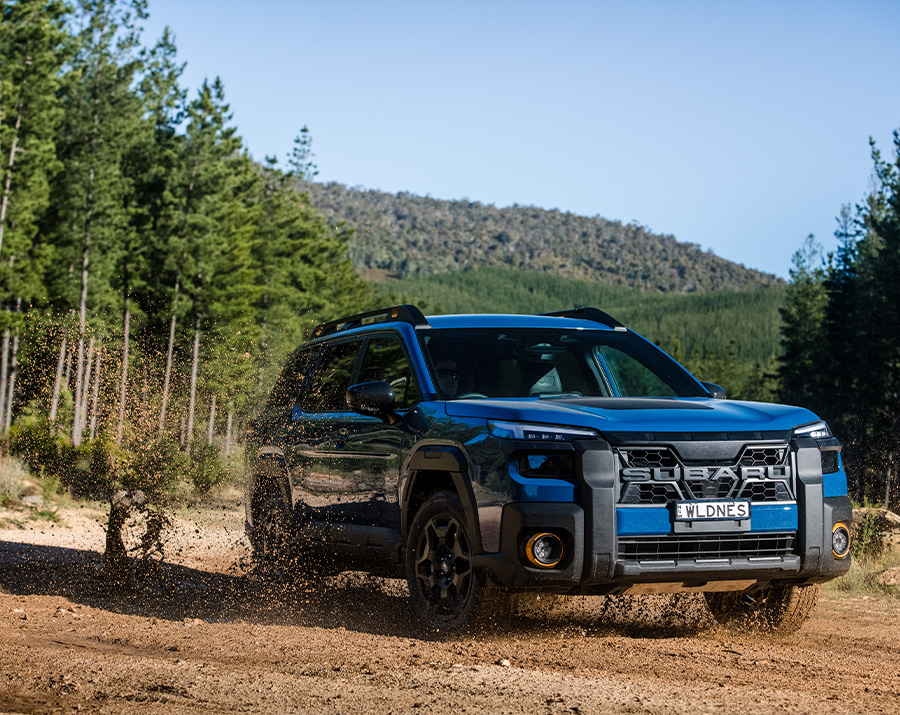
Separately, the Subaru Outback Wilderness range usurps the Outback XT in Subaru’s line-up, with bolder styling, a higher ride height and the adoption of a more powerful turbo-petrol engine.
The two-variant Wilderness model walk starts at $59,690 plus ORCs (up $6000 on the former Sport XT), while the Outback Wilderness Apex crowns the line-up at $62,690 plus ORCs (a $5200 premium over the former Touring XT).
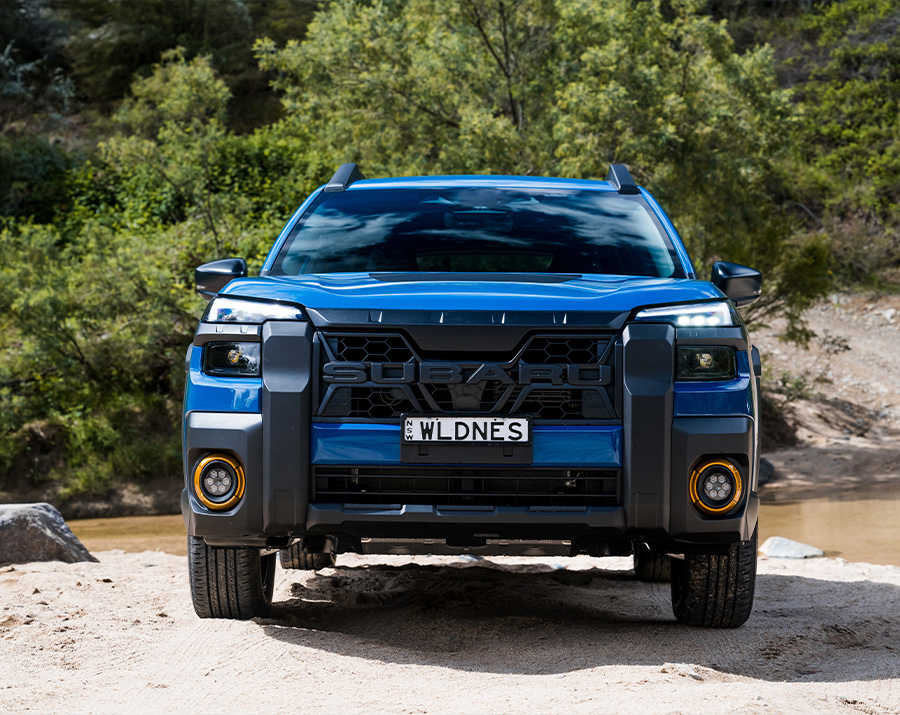
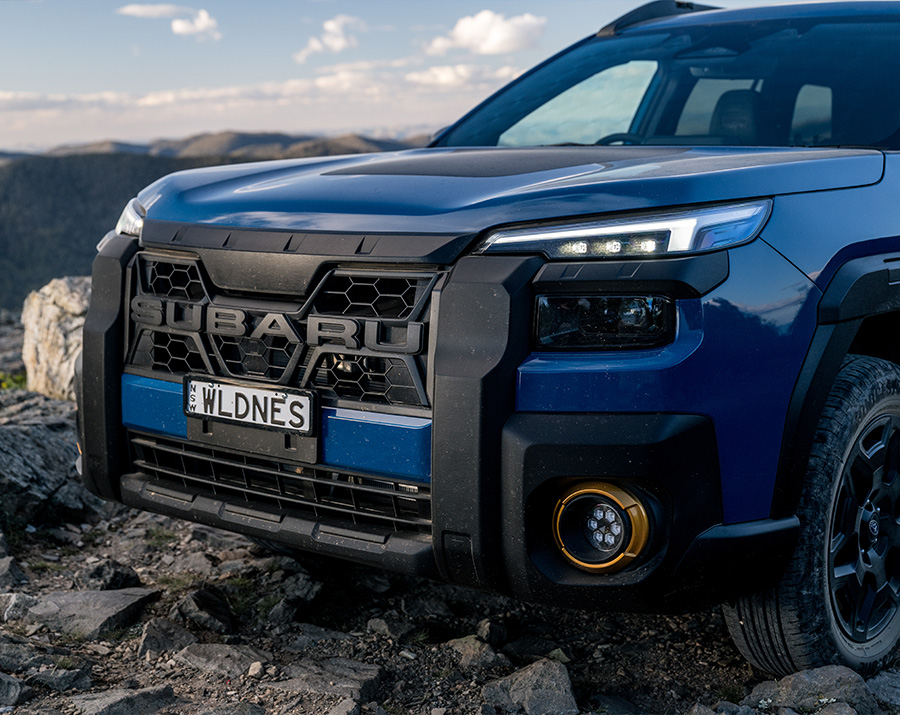
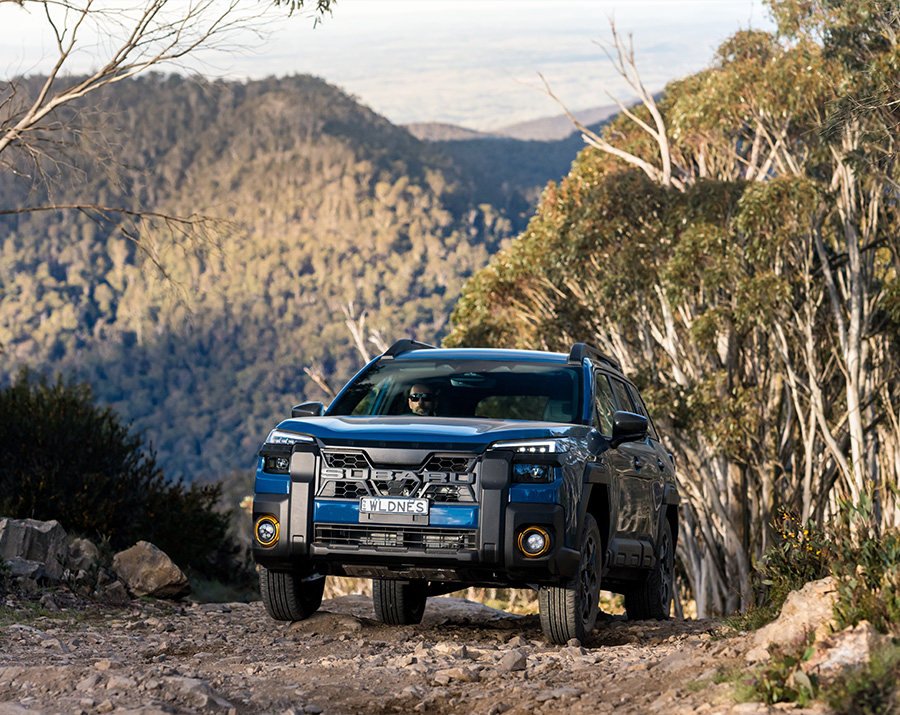
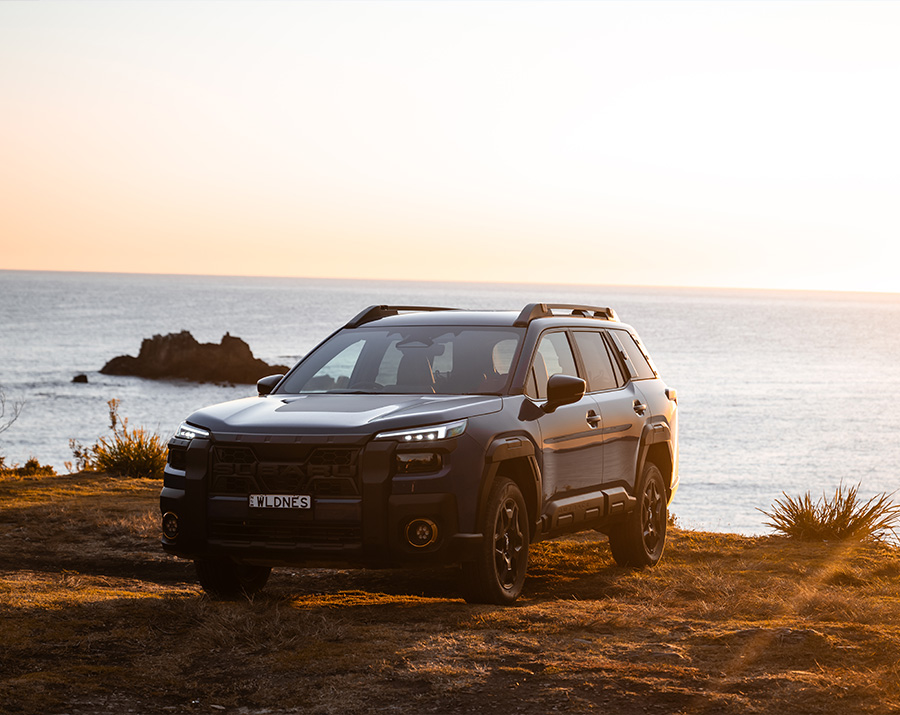
Along with additional cladding and cosmetic bling – including a fairly gaudy grille and wheel arch cladding that divided opinion at the national launch – the Wilderness gets a healthy uptick in performance courtesy of a turbo engine and raised ride height.
High-riding wagon options aren’t as plentiful as they once were, so finding a logical rival for the Outback is hard. For SUVs, we reckon the excellent Hyundai Santa Fe (from $54,000 plus ORCs) and Kia Sorento (from $54,630 plus ORCs) are sound alternatives.

What is the Subaru Outback like inside?
In short, well proportioned.
Subaru’s insistence on boxier dimensions has liberated excellent spatial qualities across both rows of seating, together with a 530-litre boot area that is conveniently underslung by a full-size spare tyre (other car makers take note). Less becoming is the flimsy luggage cover fitted to our test examples.
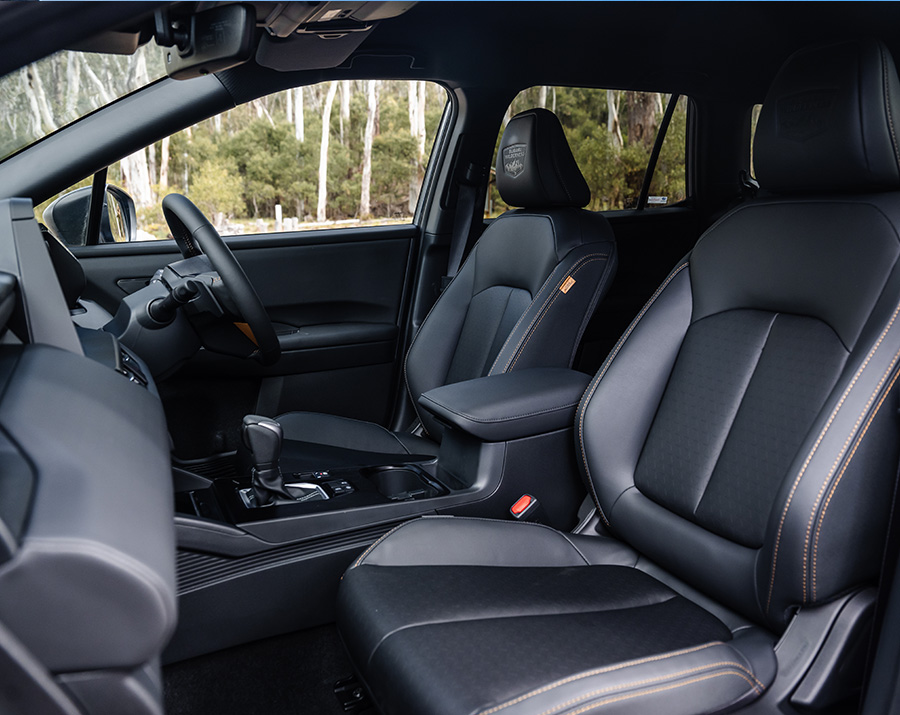
The Outback model range offers excellent day-to-day amenity, with cavernous door openings, an open glasshouse design and excellent incidental storage.
There are numerous power outlets front and rear, separate air vents, and decent contact points in all grades (even the base car offers synthetic leather seats, heated up front, rear privacy glass, thick carpets and nice-to-touch door trims).
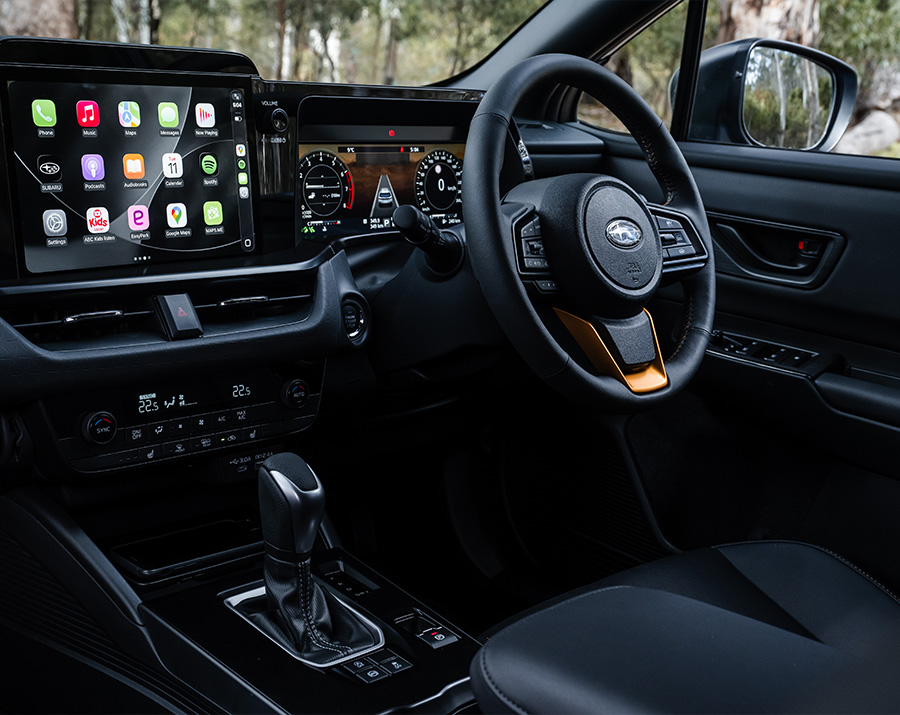
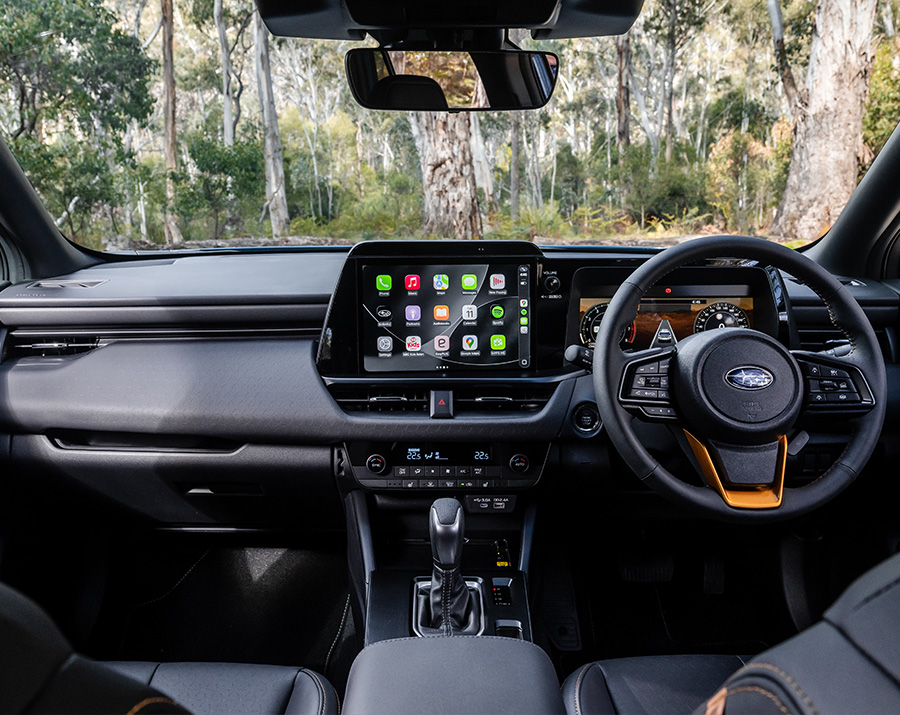
The seventh-generation Outback takes on added tactility with the reinstatement of hard-wired air-conditioning controls, after its predecessor relocated some of that functionality within the touchscreen display. The move has wrought easier access to everyday functions, such as recirculated air and fan speed.
Moreover, the new 13.1-inch digital instrument display continues to offer similar legibility for older eyes, offering easier navigation than the smaller 4.2-inch partially digital display it replaces.
The cabin feels well put together and space is plentiful. We spent a good hour in the rear seat of our test car, and found useful outward vision, comfortable seats and plenty of shoulder room, head room, knee room and toe room, with only a minimal transmission hump.
What equipment does the 2026 Subaru Outback come with?
The 2026 Subaru Outback gets a strong equipment list as standard, commensurate with its increased starting price. Even the base car now gets 18-inch alloy wheels, LED headlights and fog lights, keyless entry and start, an electric tailgate and automatic headlights and wipers.Moving up through the ranks brings additional equipment at each step, although a 360-degree overhead camera and electrically controlled passenger seat only become available in the upper grades.
Infotainment is headlined by a 12.1-inch digital touchscreen display offering faster processing and a portrait orientation, with Apple CarPlay and Android Auto as standard. It is paired to a 12.3-inch digital instrument cluster.
The Outback is offered with a five-year/unlimited kilometre warranty in Australia, which is par for the course. Capped price servicing is also available, though it’s not particularly cheap: five years of servicing will set owners back $2351.21 for regular Outback models (based on 12-month/12,500km intervals) and $2347.31 for Wilderness grades (based on 12-month/15,000km intervals.
How safe is the 2026 Subaru Outback?
The Subaru Outback has a laundry list of safety features, but as with so many cars in 2026, it likes to tell you about it.As part of Subaru’s EyeSight safety suite, there’s autonomous emergency braking, driver fatigue detection, reversing camera, blind spot monitoring, rear cross traffic alert, lane change assistance, lane departure warning, lane keeping assistance, autonomous emergency steering, traffic sign recognition and tyre pressure monitoring.
We took issue with the audible bells and chimes on test, particularly the driver attention monitoring.
At the time of writing, the Outback had yet to be formally crash tested by ANCAP.
What powers the 2026 Subaru Outback?
There is a choice of two drivetrains with the 2026 Subaru Outback and Subaru Wilderness.The Outback employs a 2.5-litre naturally-aspirated horizontally opposed four-cylinder outputting 137kW and 254Nm.
The new Wilderness grade replaces the outgoing Outback XT grade, adopting its 2.4-litre turbo-petrol engine (194kW and 382Nm) and driving all wheels via a CVT transmission.
Neither model is particularly frugal: the Outback claims a combined average of 8.1L/100km while the Wilderness claims 9.7L/100km combined.
Along with additional power, the Wilderness variant differentiates itself from the regular Outback with electronically controlled adaptive dampers, additional X-mode off-road features, an additional 20mm ground clearance (240mm) and added underbody protection.
Both models ride on a revised version of Subaru’s global platform and feature MacPherson strut front suspension and a double wishbone configuration at the rear.
The Outback features a 2000kg braked towing capacity, while the Wilderness has 2100kg. You’ll need to pony up $1350 on either variant for the optional tow bar kit.
What is the 2026 Subaru Outback like to drive?
For the better part of 30 years, each generation of the Subaru Outback has had a tangible link to the one before it on road. Think faithful if not conservative dynamics, the familiar thrum of the boxer engine, and an abundance of practicality heralded by a real user-friendly space, controls and storage.For 2026, the Outback takes on a new direction – and in earnest, it feels decidedly more SUV.
Visually, the Outback takes a step in the direction of a modern high-rider with a boxier façade, complete with polarising wheel arches and a requisite gaudy grille.
On-road, too, the Outback’s higher ride height is likewise SUV-esque. Settling into the driver’s seat for the first time, you could be in any number of high-riding alternatives that have so successfully populated Aussie roads, and in fact, the Outback’s minimum 220mm ground clearance is taller than SUV rivals including the Kia Sorento and Hyundai Santa Fe.
In any case, the Outback offers dependable steering and a strong bump compliance even with its newfound stature. The standard car’s passive suspension dispatches pitter-patter bumps with minimal fuss and recovers swiftly from larger hits. Moreover, the cabin was serene and quiet on a mix of driving roads around Bathurst in the NSW central west.
Switching to Subaru’s new Wilderness variant (which is partly distinguished by a higher 240mm ride height and active electronically controlled suspension) ratchets up the comfort factor even more. The ride is supremely comfortable on 18-inch wheels, ironing out small-amplitude imperfections impressively while also offering greater control over sharper hits and undulating sections of road alike.
At 1.8 tonnes, the new Outback isn’t particularly light in either guise. There’s noticeably more body roll and pitch through corners and under brakes than before, but importantly, it retains composure through all but the headiest of proceedings and employs its all-wheel drive underpinnings to excellent effect.
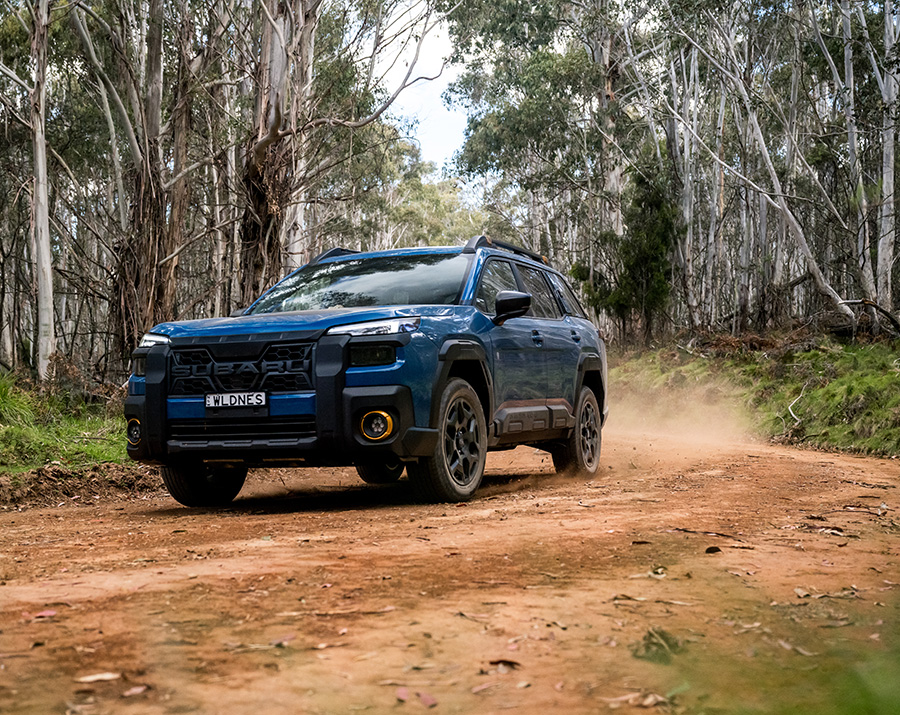
This much was evident when we took to some pretty moderate off-road activities in the Sunny Corner state forest. Here, the Outback and Wilderness offer remarkable compliance over rain-drenched fire trails together with an uncanny ability to clamber up shale-based hills; not once did we bottom out on the heavily rutted tracks in either variant.
Where the Wilderness diverges even more from the garden-variety is around its turbo-petrol drivetrain. The 2.4-litre percolates confidently as you climb the dial – peak torque materialises from a lowly 2000rpm – masking the occasional inadequacy of the matching CVT transmission with ample pull and mid-range bursts required for overtaking. Asking more of the 2.4 turbo equates to a healthy and spritely power band; more than adequate in regular driving and even enjoyable on a spritely back-road run.
By comparison, the standard Outback’s 2.5-litre atmo engine feels its age. It performs as required in regular conveyance, quietly toiling away in the background to gently pile on speed. But the second you ask more from the engine/CVT combo, it breaks into riotous song, turning towards thrashy as the Outback works to build to highway speeds. Looking at the torque figure reveals why: 254Nm (peaking at a fairly lofty 3700rpm) is a tall ask for a circa 1.8-tonne wagon.
Perhaps unsurprisingly, the Outback’s fuel consumption is nothing to write home about amid the wave of newer hybrid options. We averaged about 10.5L/100km in the regular Outback, and 11.5L/100km in the Wilderness on test.
Open Road’s take on the 2026 Subaru Outback
The seventh-generation Outback muddies the waters of its predecessors, verging more on an SUV than ever before with a boxier design, higher ride height and increased price.
While the long line of SUV buyers will no doubt see those features as virtues, it feels as though the changes have diluted the core appeal of the Outback, once an antidote to the modern SUV.
While convincing in parts, we reckon Subaru has missed an opportunity by ditching its predecessor Outback XT nameplate – a grade which blended the more conservative looks of the regular Outback with the superior performance of the Wilderness.
In any case, the Outback is dearer, heavier and more complicated than before. Time will tell whether loyal Outback followers agree with the changes.
What we liked
- Smart interior layout, ample room across both rows of seating
- Surprising off-road pedigree on-test, especially the Wilderness
- All-wheel drive and full-size spare are evergreen positives
What could be better?
- The increase in price and boxier dimensions have softened the Outback’s value-oriented ‘wagon’ appeal
- The base naturally-aspirated engine feels anaemic in the company of the turbo option and neither is great with fuel consumption
- Over-zealous safety suite detracts from otherwise pleasant driving experience


