2026 Toyota RAV4 PHEV review

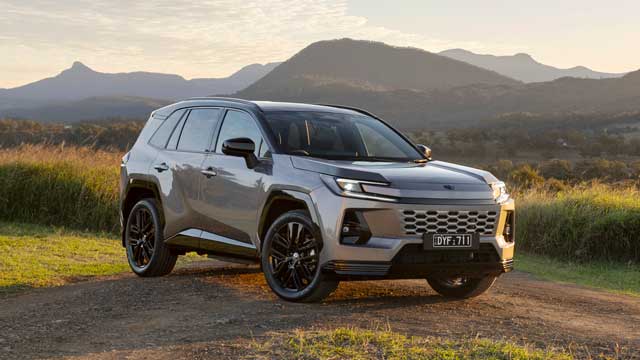
Over the past decade, Toyota Australia execs have repeatedly stated that RAV4 buyers don’t want a plug-in hybrid option.
But now, the (charging port) door has been opened, with two different trim grades for customers to pick from – including the fastest and most powerful RAV4 ever in the all-wheel drive plug-in hybrid (PHEV) variant.
How much does the Toyota RAV4 PHEV cost?
You won’t find a cut-price plug-in Toyota RAV4 here, as Toyota has positioned the RAV4 PHEV two grades high up the ladder at launch.
The opening version is the XSE PHEV, which is available in front-wheel drive from $58,840 plus on-road costs. For the all-wheel drive XSE you’ll need to add $4500 to the asking price, which nets extra power and torque but less EV range.
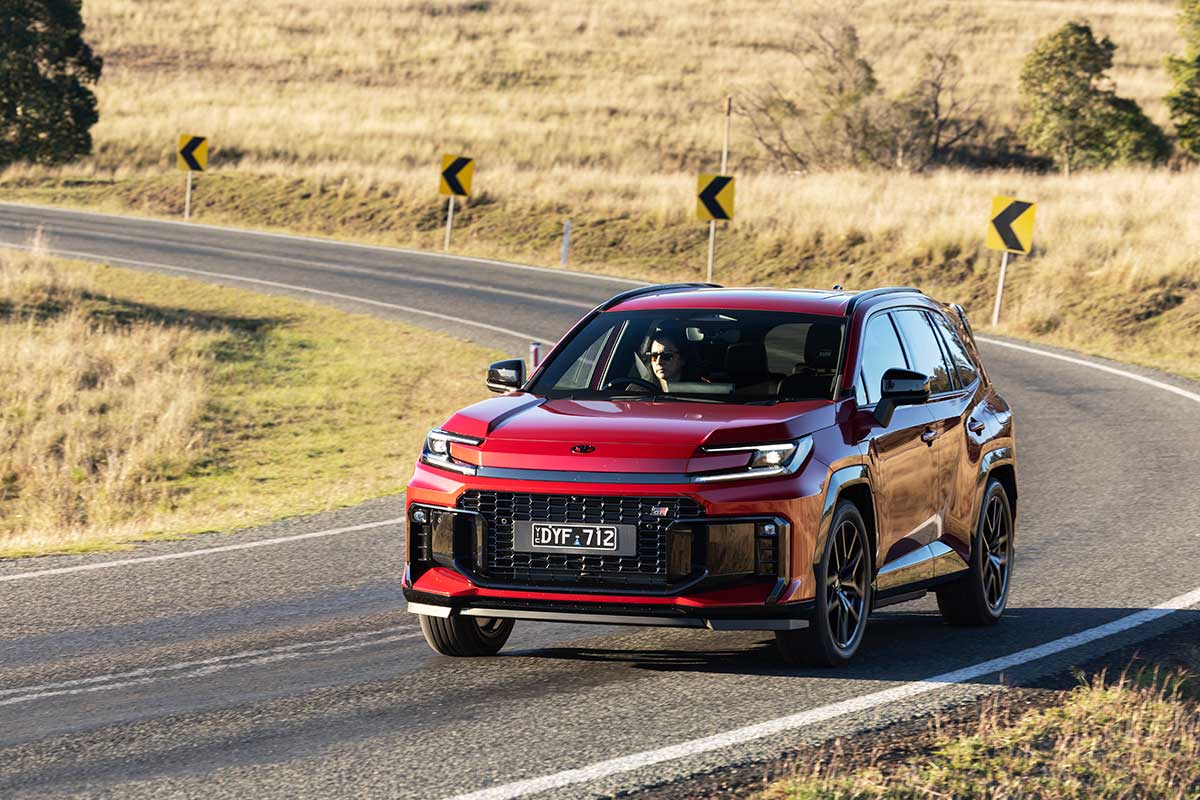
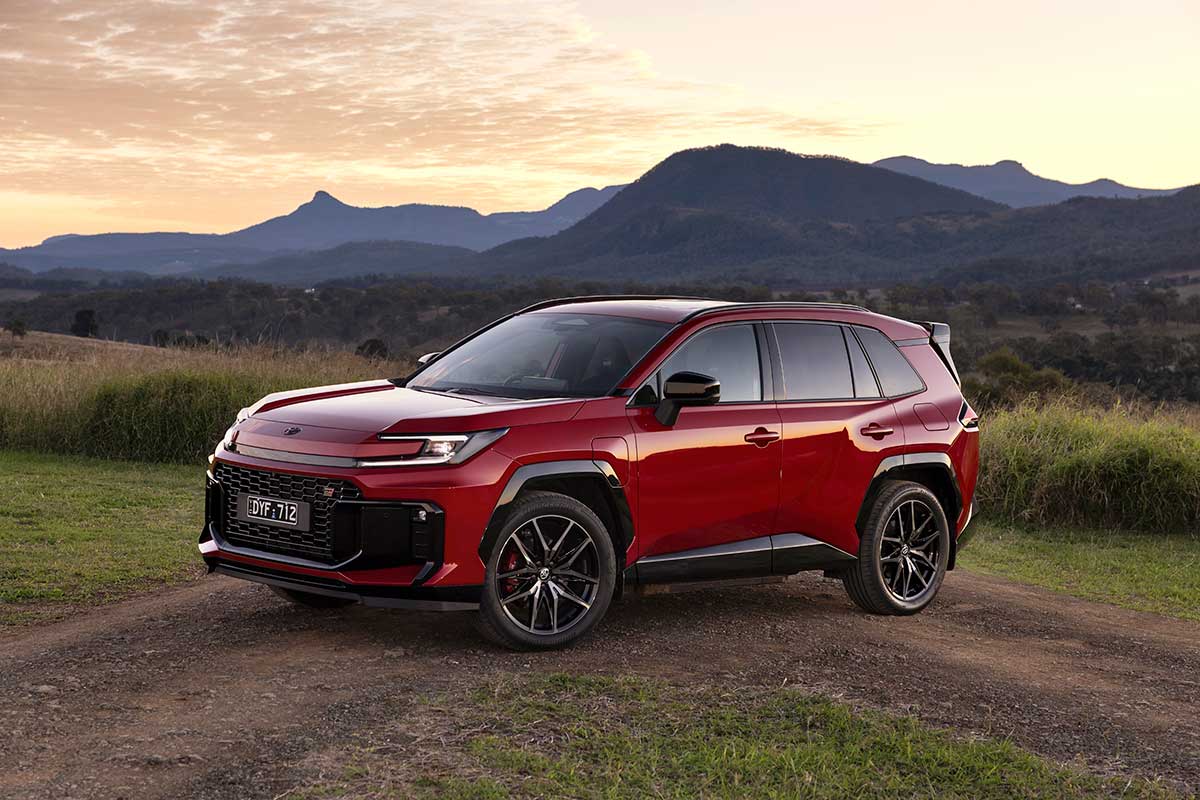
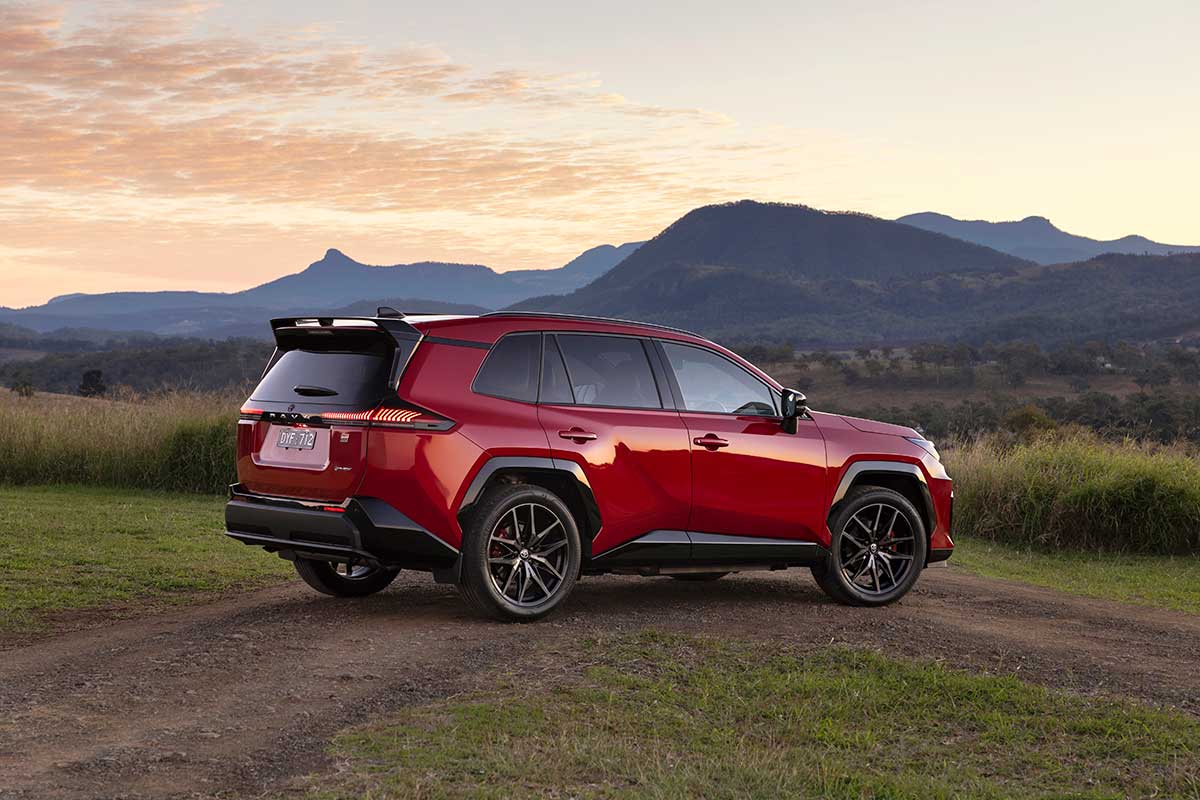
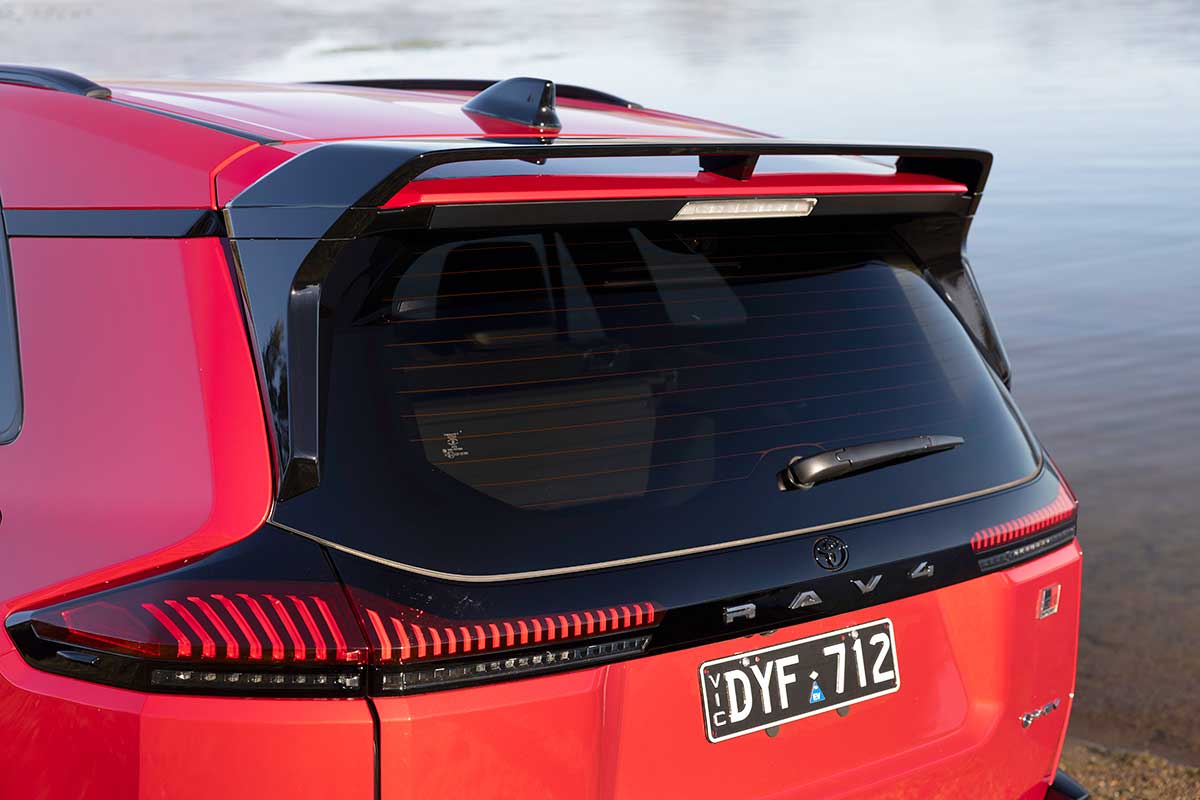
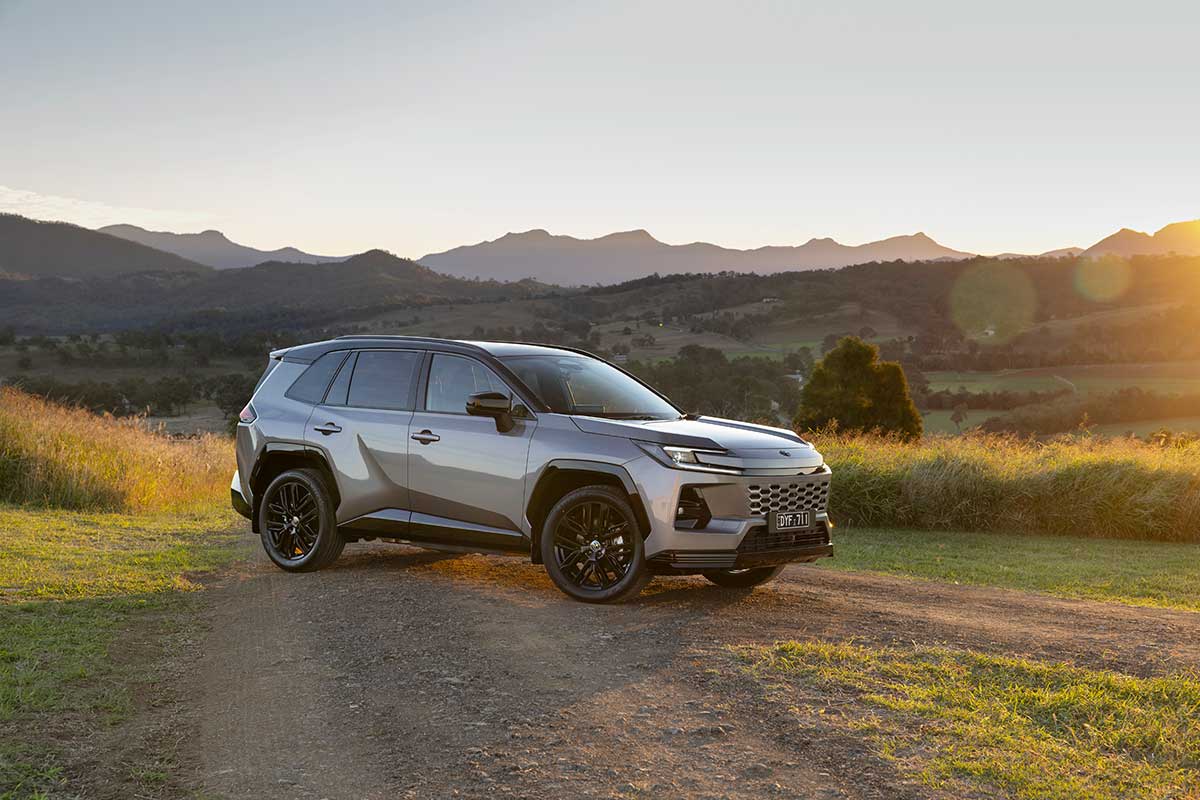
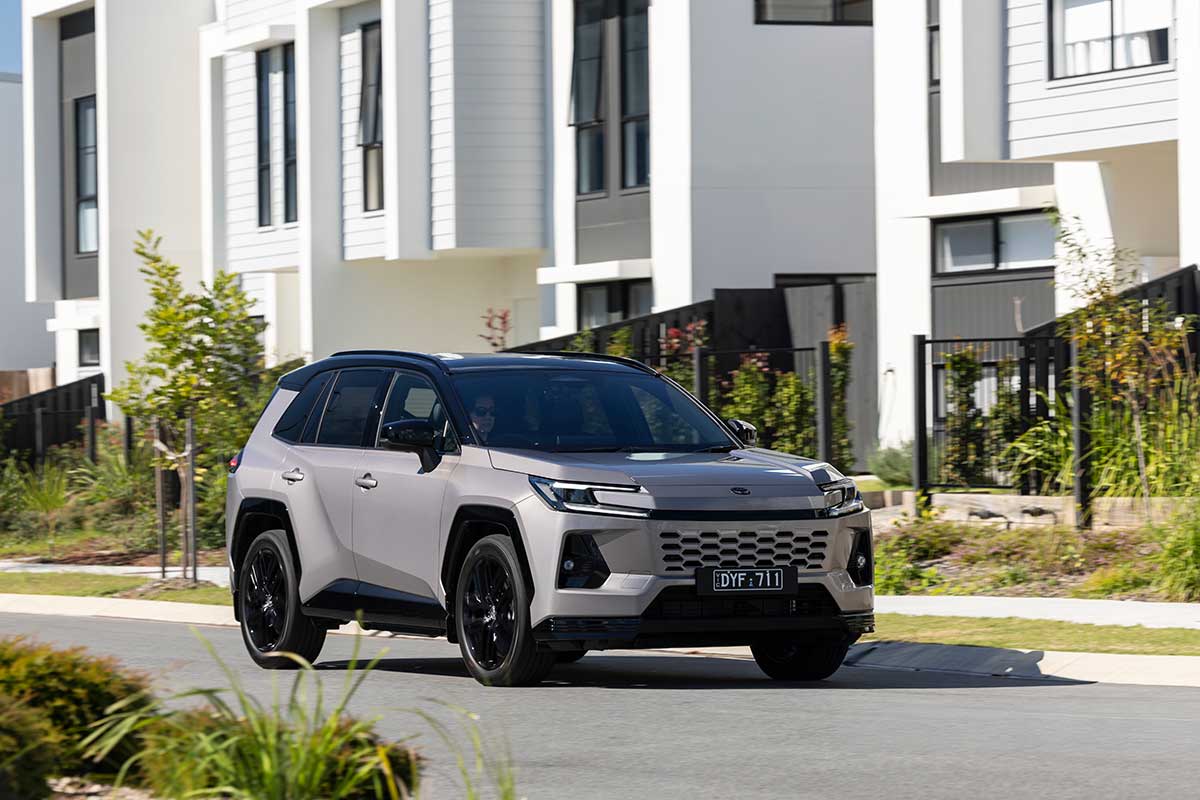
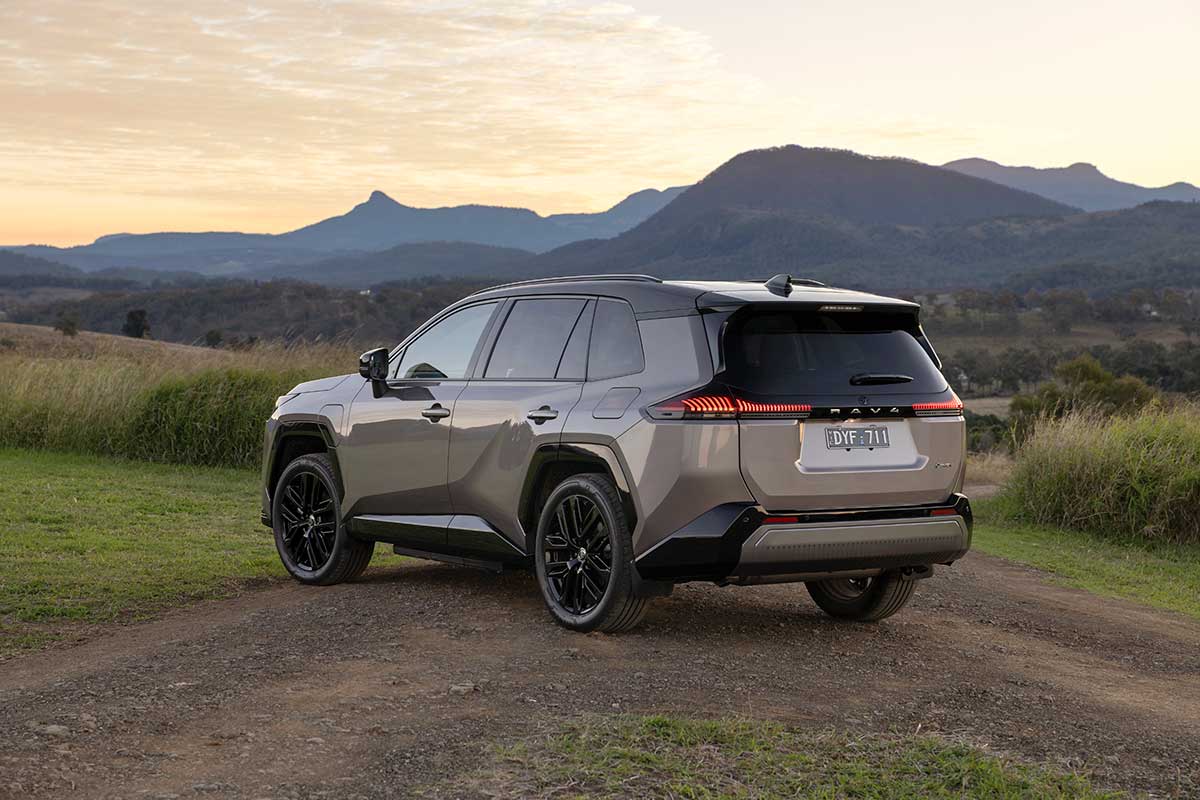
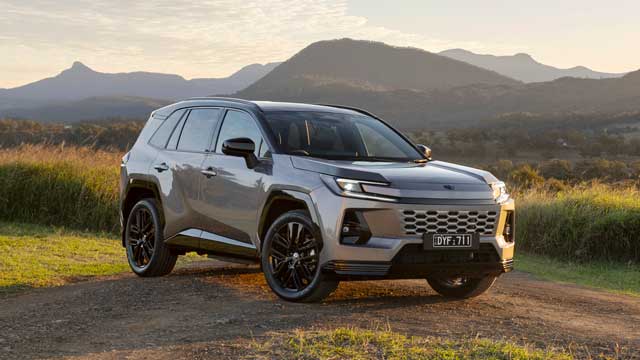
Choose the sportier-looking GR Sport AWD and you get the most assertive and outlandish version of the RAV4 ever – and the most expensive one yet – from $66,340 plus on-roads.
The positioning of these models makes them several thousand dollars pricier than the equivalent RAV4 hybrid, or HEV, models.
Toyota offers a five-year/unlimited kilometre warranty for the vehicle, while the battery also has a five-year warranty, but if you service with Toyota you get up to 10 years of battery warranty in line with an annual health check. Servicing intervals are set at 12 months/15,000km, and it costs just $325 per service for the first five. You have to pay extra for roadside assistance.


What is the Toyota RAV4 PHEV like inside?
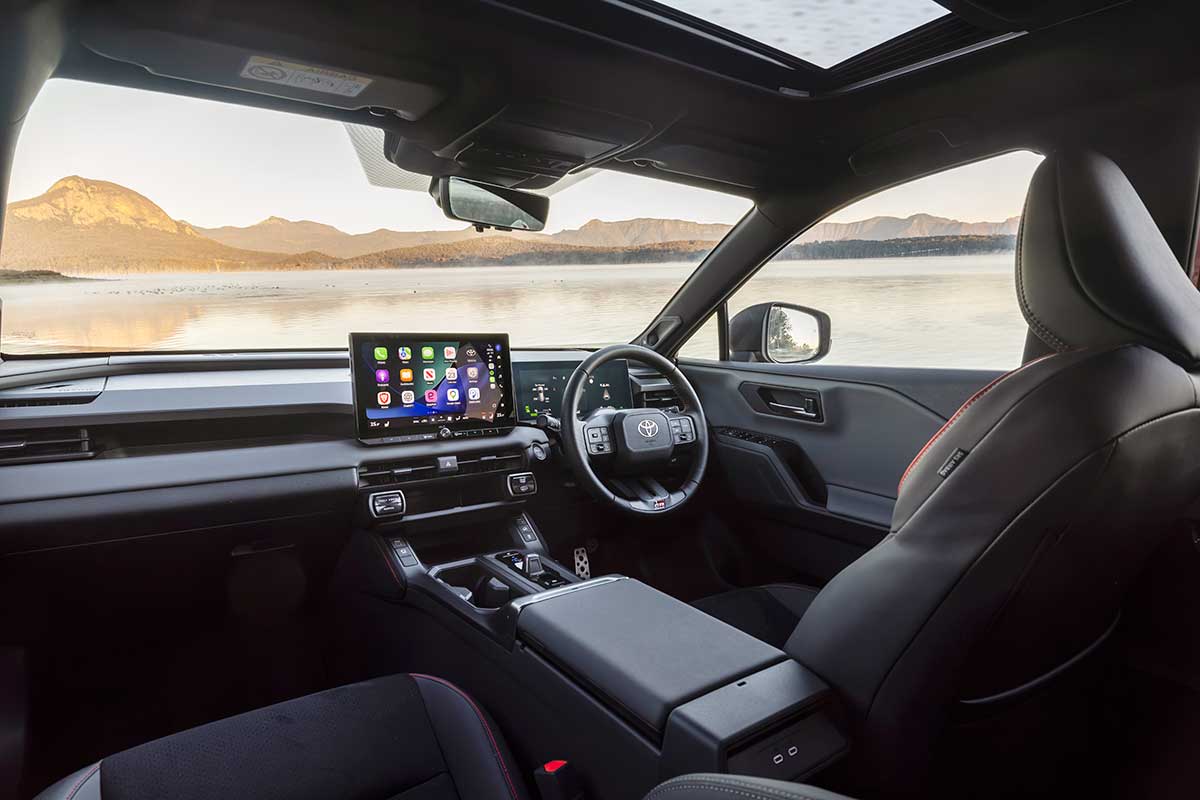
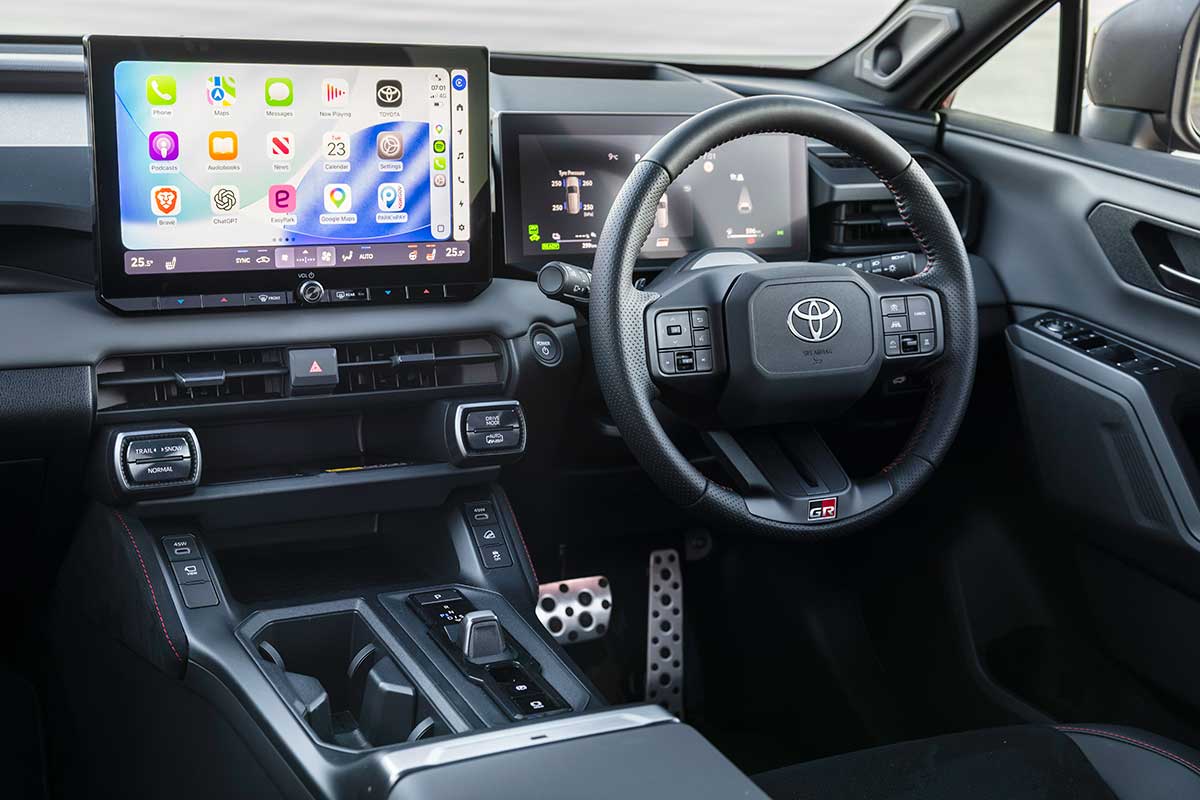
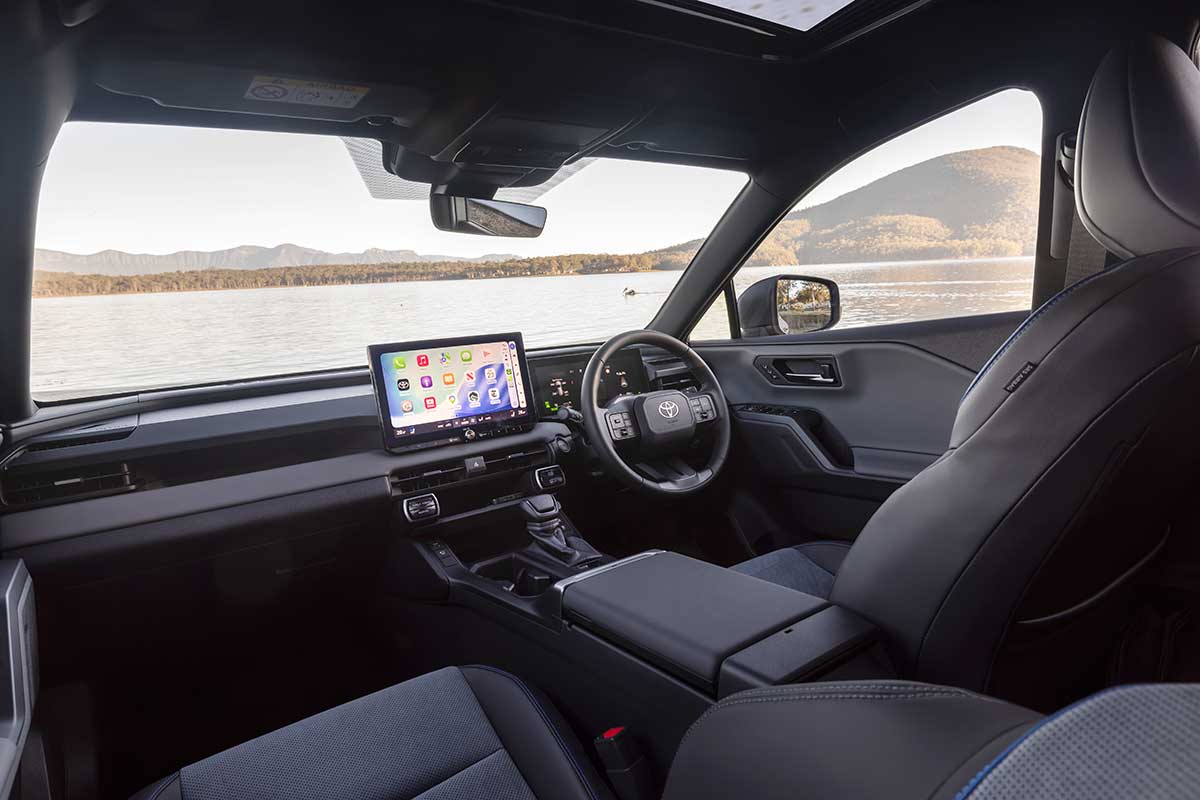
If you’re in the GR Sport you’re getting a very different cabin experience to the other RAV4 versions. It has model-specific trim finishes, GR badges and embroidery, red design flourishes and even knee pad sections on the transmission surround, because you might be more likely to brace yourself in the bends.
The new RAV4 focuses much more on touchscreen controls for the majority of major functions, and while there are some buttons for the climate system, it isn’t as simple to use as the last model. But it does have heaps of tech, and online connectivity for the screen, too.
Learning the structure of the menus on the main screen isn’t too difficult, and you might find the driver information cluster to be frustrating to interact with, but at least the physical buttons on the steering wheel are easy to learn.
The dark headlining mightn’t be to all preferences, and while there is an opening sunroof, other options in this class have huge panoramic glass roofs that add to the airiness.
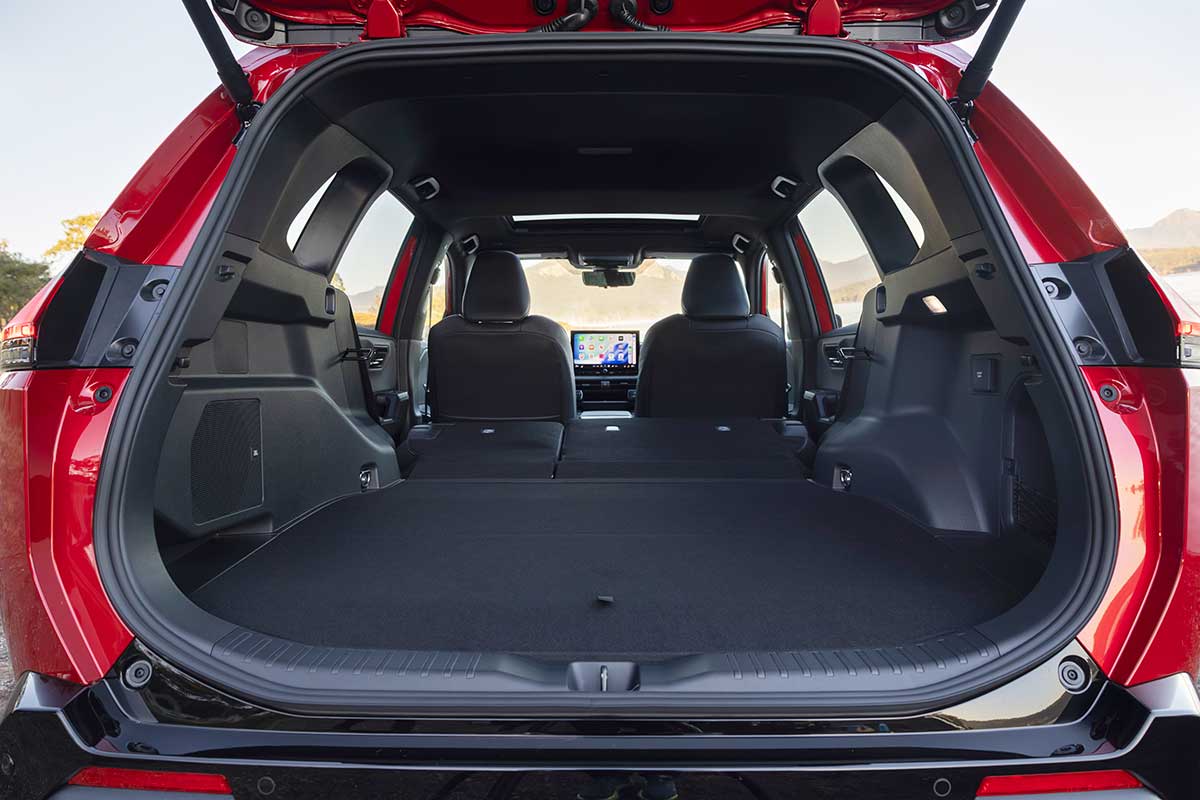
There is ample storage front and rear, and while the space in the second row isn’t as commodious as some rivals, it still offers the child-friendly features you’d expect in the back, with Isofix anchor points and top-tethers, rear air vents, and USB-C charge ports, too. Both the XSE and GR get heated/ventilated front power-adjusted seats; choose the GR and those who aren’t in booster enjoy GR Sport-styled front seats.
What equipment does the Toyota RAV4 PHEV come with?
Because you’re spending big bucks to get into a RAV4 PHEV, it’s no surprise that the standard kit list is lengthy.
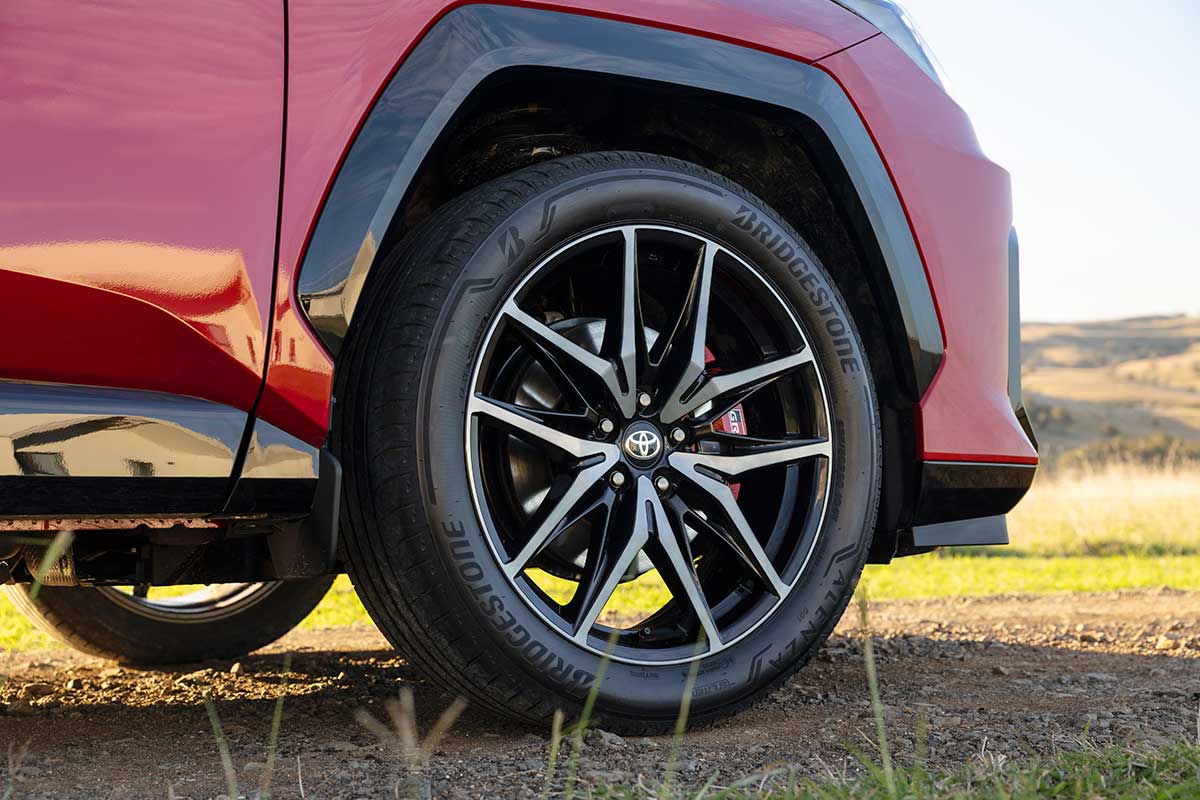
The XSE has 20-inch alloy wheels, LED headlights, keyless entry and push button start, an electric boot lid, fake leather seat trim with heated front seats including driver’s seat electric adjustment and memory settings, a 12.9-inch touchscreen with Apple CarPlay and Android Auto, sat nav, and you get a sunroof and a 1500-watt inverter in the boot to run electrical appliances.
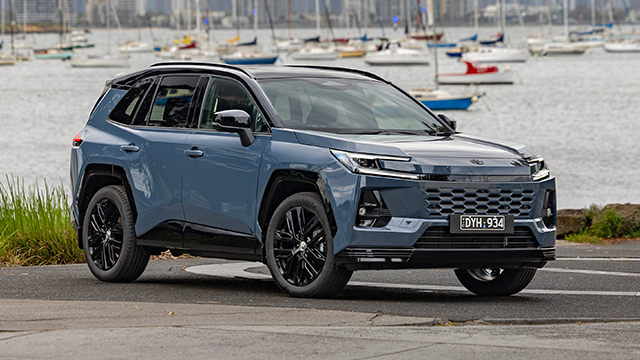
The GR Sport has a very different look, with its specific 20-inch alloy wheels and a wider track, not to mention GR Sport front and rear bumpers. It has a different suspension tune and components as well. The cabin is treated to plenty of GR Sport material and a heated steering wheel, faster USB-C charging, a nine-speaker JBL sound system, two wireless phone chargers (there's one in the lower grade), a digital camera mirror, a head-up display, and heated rear window seats.
How safe is the Toyota RAV4 PHEV?
There’s a whole host of standard safety equipment and features on the RAV4 PHEV models, including a surround-view camera system, front and rear parking sensors, and active assistance tech like auto emergency braking, blind spot monitoring, front and rear cross traffic alert, adaptive cruise control, and more. There is a driver monitoring camera system and speed sign tech, but it is reasonably well mannered if you’re doing what you should be.
All that, but it still hasn’t got an ANCAP rating at the time of publication.
What powers the Toyota RAV4 PHEV?
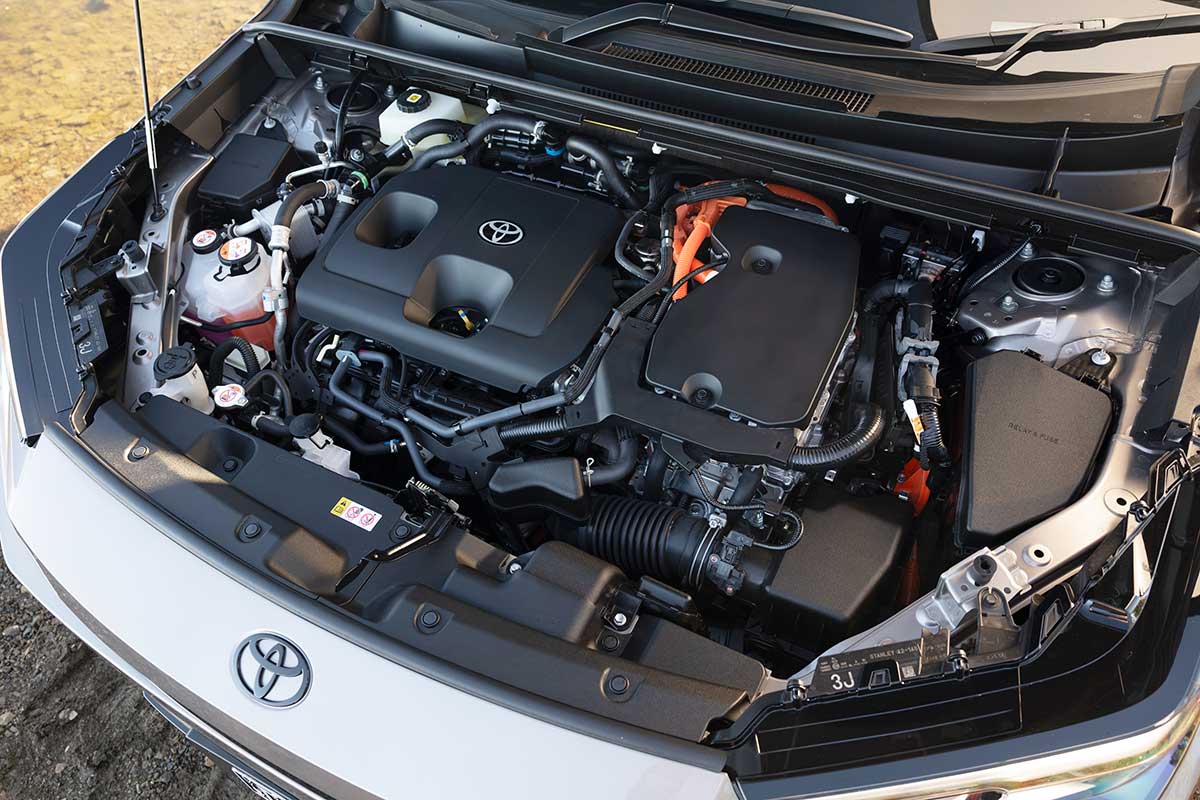
Under the bonnet is a 2.5-litre petrol four-cylinder engine, just like all the other RAV4 models. But this one has a much larger battery as part of its system, offering in excess of 100km of EV driving range based on WLTP testing.
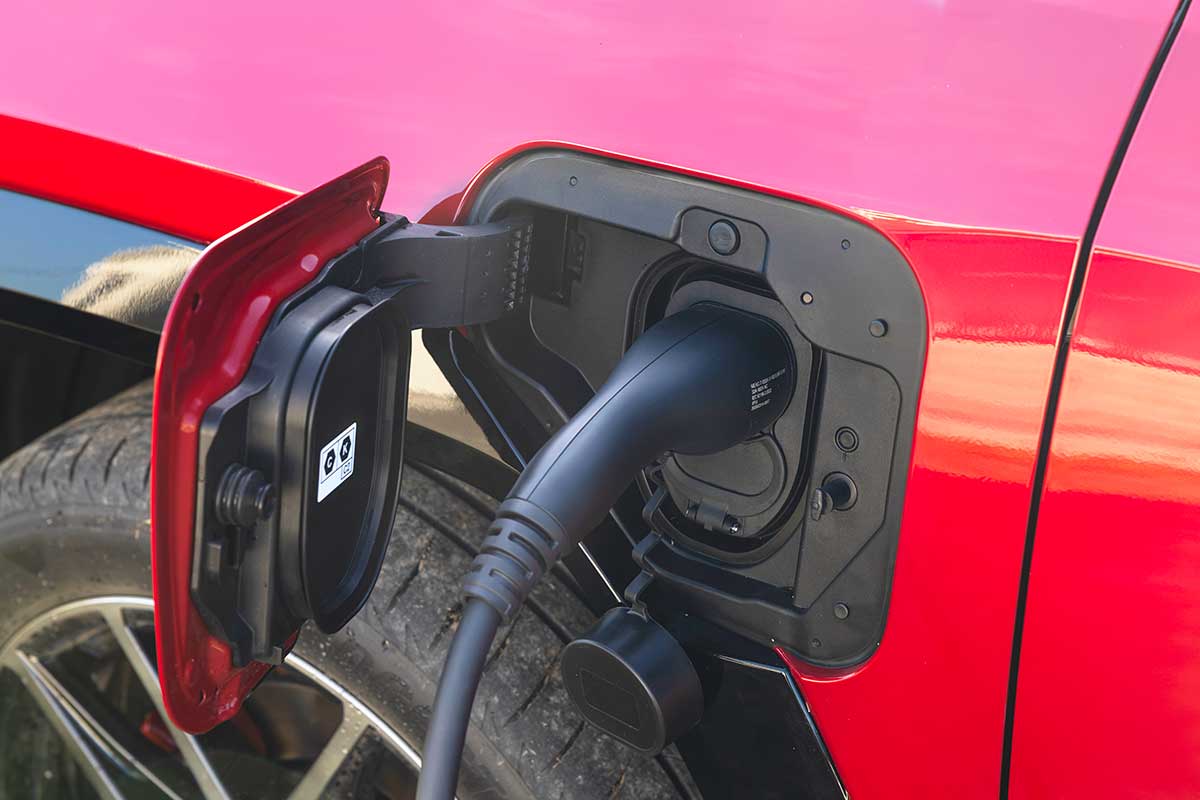
The battery is a 22.7kWh NMC unit with 11kW AC charging and 50kW DC charging potential, meaning you can top-up when you’re already on the go.
The primary idea, though, is that you’ll drive electric as much as you can for commutes and daily duties by charging at home on the regular, and then have a back-up petrol engine for longer drives.
The claimed 0.7L/100km fuel consumption seems impressive, but as with all plug-in hybrids it's misleading – on test at the launch, we saw a return of 4.8L/100km across a few hundred kays of mixed driving once the battery was depleted.
What is the Toyota RAV4 PHEV like to drive?
It’s excellent.
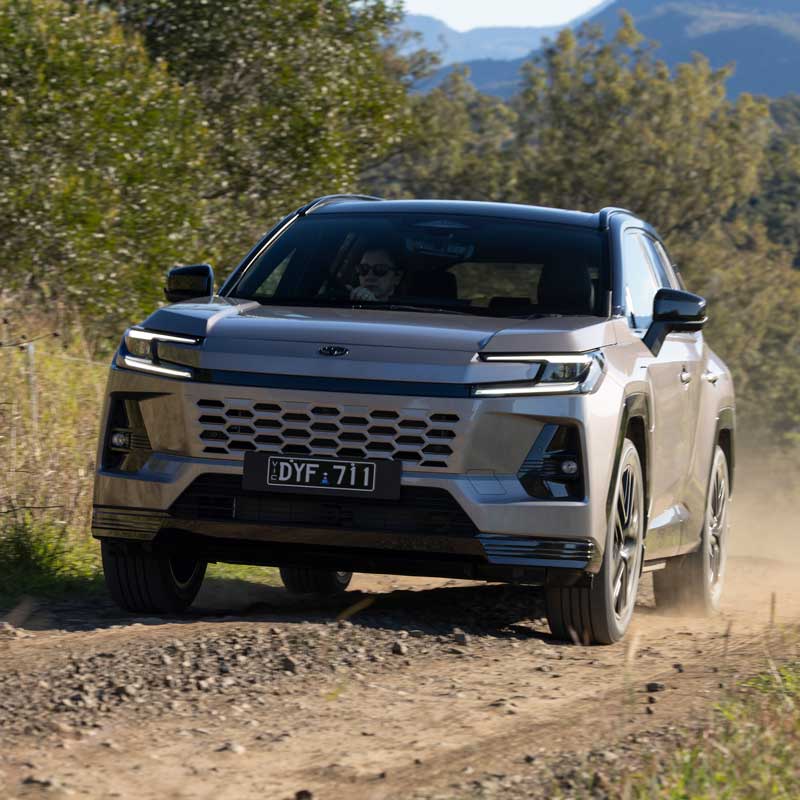
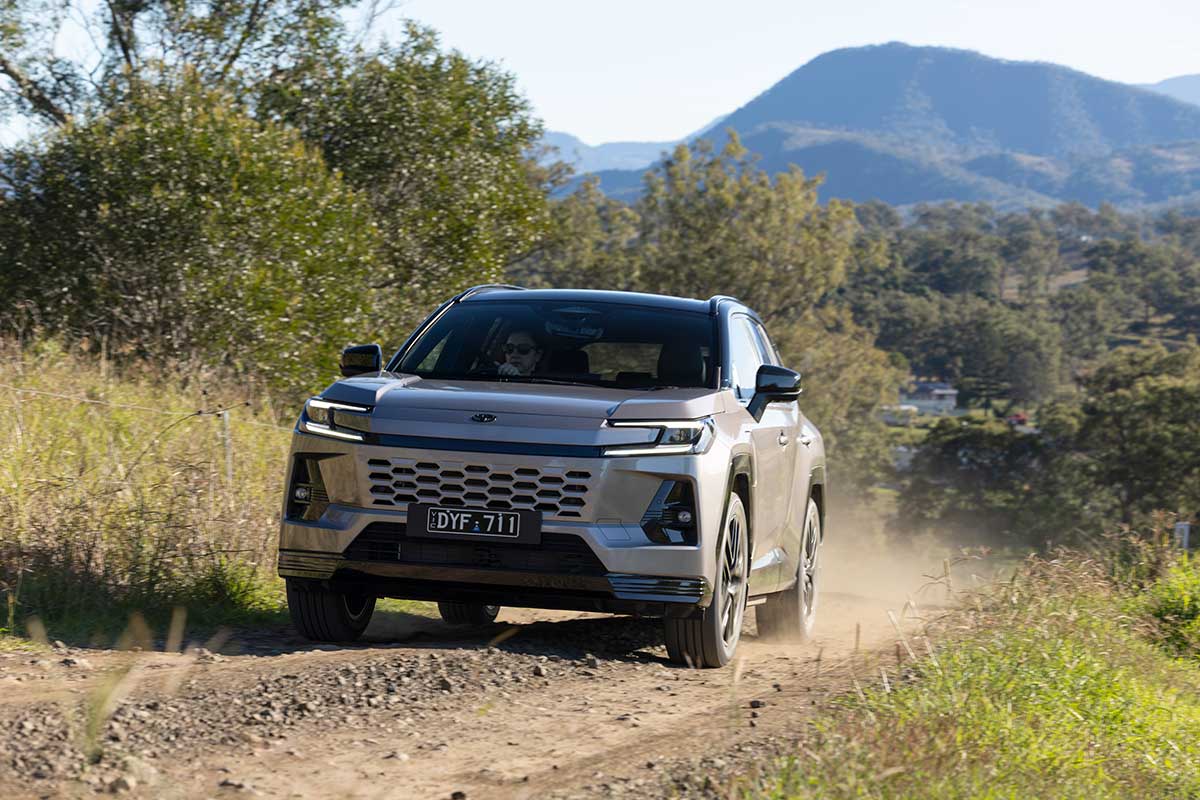
The ride, handling, steering and comfort leave little to complain about, with a great balance of all attributes meaning that passengers and the driver will feel satisfied in all sorts of different driving situations.
This is one of the best SUVs in the class to drive, and there is a level of cohesion to the chassis that cheaper SUVs in this class aren’t even close to.
The powertrain is the big difference, but it’s actually not all that different in practice – especially once you’ve depleted the electric range.
You can choose between EV or HV (hybrid) modes if the battery has enough charge, and it behaves just like any other EV when driven that way. But with the petrol engine joining proceedings, you’ll be able to access all the available power and torque, and it’s properly rapid when you do.
If you’re driving in HV mode the system will still use the battery a lot, and in fact it doesn’t really let the battery get down below about 15 per cent, so you’ve always got a bit in reserve if you need it.
Open Road’s take on the Toyota RAV4 PHEV
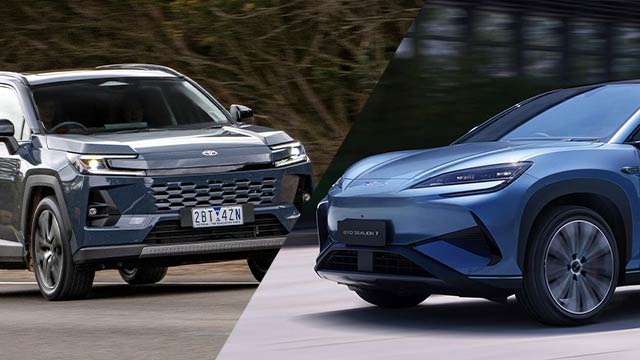
There is no question this is a finished and complete-feeling plug-in hybrid SUV experience, and the same can’t be said of some of the made-in-China alternatives. But the price is significantly higher than many alternatives, and the question for buyers might be whether that will be money well spent, or not.
What we liked
- Great powertrain tech
- Commute-friendly EV range
- Predictable RAV4 excellence
What could be better?
- Chinese models undercut it significantly
- Not as spacious in the second row as rivals
- Not available in lower grades