Buying a used EV? Here's what the market is telling us

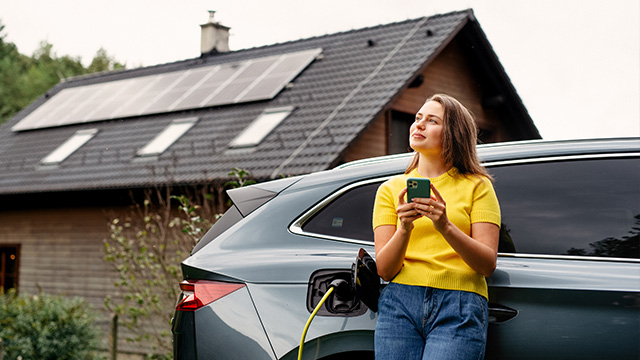
Falling prices, growing stock levels, and an increasing range of models mean buyers now have many more options than previous generations of electric vehicle shoppers.
But while greater affordability is creating new opportunities, recent market data suggests there are a few important factors buyers should understand before signing on the dotted line.
According to the Carma’s Used Car Market Report: Spring Snapshot, affordability has improved significantly over the past 12 months. In September 2026, vehicles priced below $35,000 accounted for 26 per cent of all used EVs leaving the market, up from just 13 per cent a year earlier. In practical terms, that means budget-conscious buyers now have access to a much broader selection of electric vehicles than they did in 2025.
The increase reflects a market that is maturing rapidly. More electric vehicles are reaching the used market as earlier purchases cycle through ownership, while increased competition in the new-car sector has also helped place downward pressure on used prices.
For many households, the result is that full-electric motoring is no longer limited to new-vehicle buyers.
However, the report reveals an important detail hidden beneath those headline affordability figures. Not every used EV is actually what most buyers would consider "used".
Of the 1288 EVs priced below $35,000 that left the market in September, 580 were dealer demonstrators. That means nearly half of the affordable EVs sold during the month were vehicles that had previously been registered by dealerships rather than privately owned and driven for several years.
For buyers, this distinction matters.
Dealer demonstrators often provide benefits that standard used vehicles cannot. They typically have very low odometer readings, have spent only a short period on the road, and may retain a substantial portion of their factory warranty. In some cases, buyers can access a near-new vehicle for a price similar to an older privately owned alternative.
At the same time, shoppers should not automatically assume a demonstrator represents the best value. A similarly priced privately-owned EV might have additional features, a different battery specification, or better suit an individual's needs. The report highlights that buyers should compare build dates, kilometres travelled, and remaining warranty coverage when assessing value, rather than focusing solely on the asking price.
Depreciation trends are worth understanding
The report found that non-Tesla EV values fell 9.8 per cent over the year to September 2026, equivalent to approximately $3900 on a typical vehicle. By comparison, the broader used-car market recorded a 6.5 per cent decline over the same period.
For buyers entering the market today, that is largely good news. Lower resale values mean more affordable entry points and greater negotiating power than was available several years ago when supply constraints pushed used EV prices upward. Buyers who were previously priced out of the market may now find vehicles within reach.
Not all EV brands are performing the same way
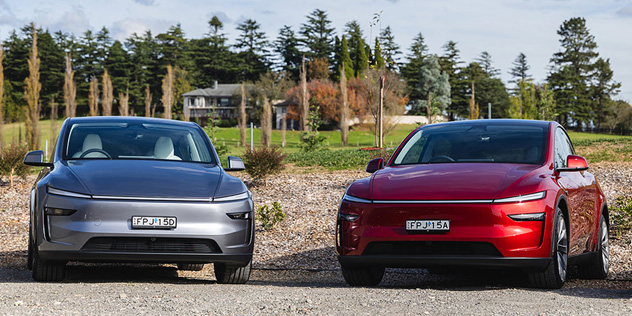
Tesla vehicles have retained their value better than many competitors. While non-Tesla EVs experienced a 9.8 per cent decline, Tesla values fell by only four per cent year-on-year.
For buyers, this difference highlights the importance of comparing individual models rather than treating the EV market as a single category.
The rapid growth in affordable inventory is also changing how buyers should approach their research. A few years ago, shoppers often had to compromise on budget, range or vehicle type simply because options were limited. Today, a buyer shopping around the $30,000 mark may be choosing between multiple brands, body styles, and ownership histories.
With more options available, buyers can afford to be more selective, making thorough research and due diligence increasingly important. Comparing service history, checking battery warranty coverage, reviewing vehicle condition reports and understanding whether a vehicle has been privately owned or dealer-operated can all help buyers make a more informed decision.
The broader message from the market data is encouraging. Australia's used EV sector is becoming more accessible, more competitive and significantly more affordable than it was just 12 months ago. With affordable EVs now accounting for more than a quarter of vehicles leaving the market and prices continuing to ease, switching to electric driving is more attainable than ever.
Source: Carma Used Car Market Report: Spring Snapshot, October 2026Carma is the NRMA's preferred used car dealership, giving members a safer, simpler way to buy or sell, with exclusive benefits for My NRMA Rewards members.