Polestar 3 orders delayed as brand readies for “performance” Polestar 2
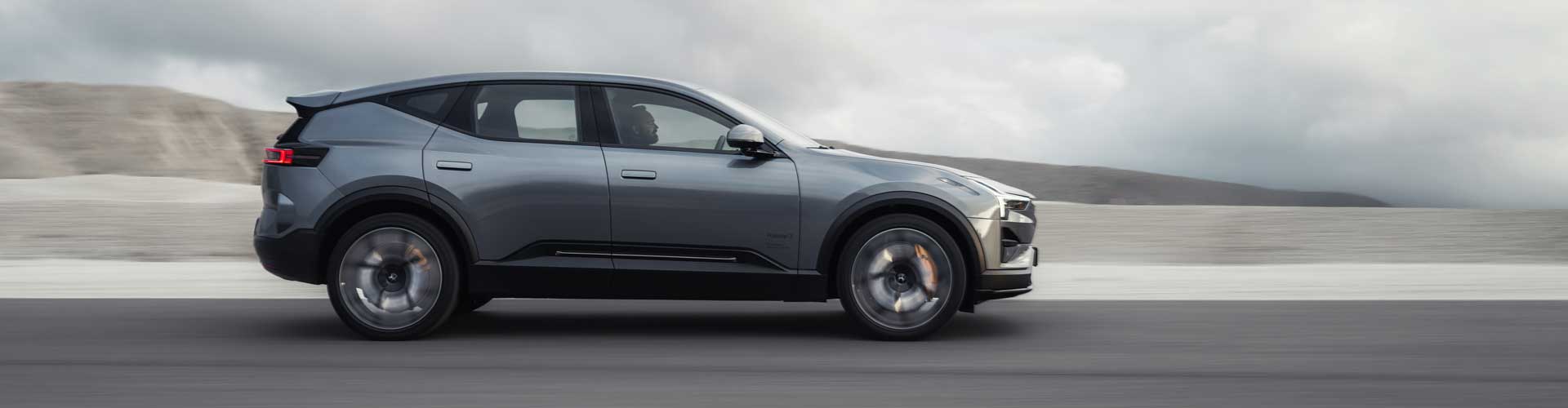
Polestar says Australian sales are down on last year, partly because a production changeover for the Polestar 3 has interrupted supply and the brand is avoiding heavy discounts on the outgoing Polestar 2.
“We’re sitting on 48 orders we can’t fill,” Polestar Australia managing director Scott Maynard said in an interview with Open Road. “In that cut-over, we’ve lost a few weeks of production.”
It takes about six to eight weeks to bring a Polestar 3 from the US, he added.
The model was previously built in China and the US, but in March 2026, Polestar and Volvo announced plans to consolidate production at Volvo’s South Carolina plant, a move the companies said would improve efficiency and lower costs.
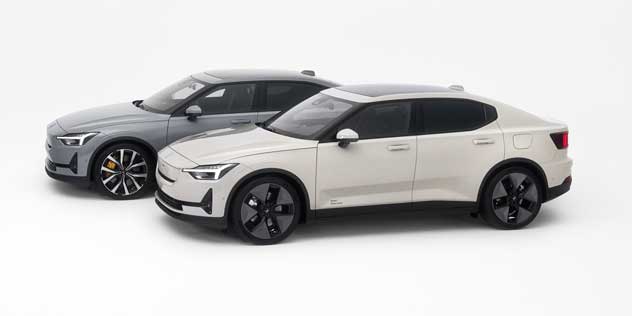
New Polestar 2 to retain performance focus
The replacement Polestar 2 arrives as the original model continues to lose ground to the newer SUVs in the Polestar range.
The Polestar 2 sold 746 vehicles in Australia in 2025, down 48.9 per cent on 2024, and in September 2026 it recorded 76 deliveries, compared with 114 for the Polestar 4.
Maynard said Polestar Australia has received its last batch of the current 2 and plans a measured run-out rather than deep discounting to help protect the model’s resale value.
That approach may help residuals, but it leaves the next-generation car with more to prove as Polestar looks to revive interest in the nameplate.
“From what I’ve seen of it, it will really resonate with Australian buyers,” Maynard said. “It will maintain a real performance bias that I think Australians really enjoy.”
Polestar plans to show more of the car early next year, with the Australian arrival expected late in 2027.
It could bring attention back to the model, but it is too early to say whether it will re-energise the brand. Maynard did not discuss its price, specifications, or how it would stand apart from rivals.
With recent Australian sales growth leaning on the Polestar 4, the 2’s replacement will need to give buyers a compelling reason to return to the brand.
A wider factory footprint
The Polestar 3 transition is part of a broader manufacturing strategy. Polestar’s models are built in China, the US and South Korea, with production of the planned Polestar 7 SUV due to begin in Europe. Maynard said the spread gives the company options around logistics, factory efficiency and tariffs. “We’ve got a balanced footprint of production that we can call on anywhere in the world to make sure that we capitalise on efficiencies and logistics, to make sure that we’re optimising our exposure to tariffs.”
Polestar’s manufacturing spread also reflects a persistent question about its identity. The brand is Swedish, but majority-owned by China’s Geely.
“Polestar is regularly referred to as a brand that comes out of China, and it’s really not,” Maynard said, pointing to the engineering work done in Sweden on ride and handling, styling and brake feel.
The incoming Polestar 5 also leans on Australian know-how and environment: its chassis tuning and heat testing in South Australia will inform the global model, while local ADAS testing has checked its response to Australian road signs and lane markings.
Polestar calls for tighter personal data rules
Maynard said Polestar - which applies strict European GDPR policies to all its vehicles - wants Australian privacy laws updated to cover how vehicles collect data and protect buyers and owners.
“When you accept terms and conditions, it can be ‘I agree’, and then suddenly you’ve signed up to absolutely everything, including third parties,” he said, referring to the bundled car data permissions in Australia.
— Scott Maynard, Managing Director of Polestar Australia
He said this was not the case with Polestar. "The car provides them with the ability to more closely customise exactly what they want the vehicle to know about them, and they have the assurance that the car is not transmitting their data out and not accepting a feed in," he said.
A spokesperson for Polestar also confirmed to Open Road that, "we hold data in Australia, but also primarily on servers located in the UK and EU - as well as the US where required for certain aspects such as connected service delivery."
Polestar’s published Australian Car Privacy Notice, says the company may disclose personal information to affiliates, service providers and other recipients, including overseas recipients in Sweden, Germany, Ireland, the UK and the US. Open Road has reached out to Polestar for clarification and will update this article if needed.
The notice also treats Google Automotive Services separately, naming Google as the data controller for personal information processed through those services.
Maynard said owners can disable the cabin camera used to check whether a driver is falling asleep. “You can untick the car’s ability to use its cameras,” he said. “When that’s done, it’s done. It’s locked off.” The car tells owners which functions they lose by turning it off, he said.
“Only Google,” Maynard said when asked which third-party provider accesses the car’s systems. Signing in with a Google account is optional, he said, but owners who do so are covered by Google’s terms and conditions.
Polestar's spokesperson expanded further in a note to Open Road that "vehicle permissions allow complete control to toggle on/off the in-vehicle privacy options. These settings primarily relate to the delivery of services such as aspects of ADAS and location information; with all privacy and data settings turned off, the car remains driveable but will have certain functionality and feature limitations."
The comments come amid wider scrutiny of connected-car security and privacy following ABC’s Four Corners investigation into the BYD Shark 6. BYD Australia launched an internal investigation after the program demonstrated access to vehicle functions and raised questions about data handling.