
Why are LPG cars no longer popular?
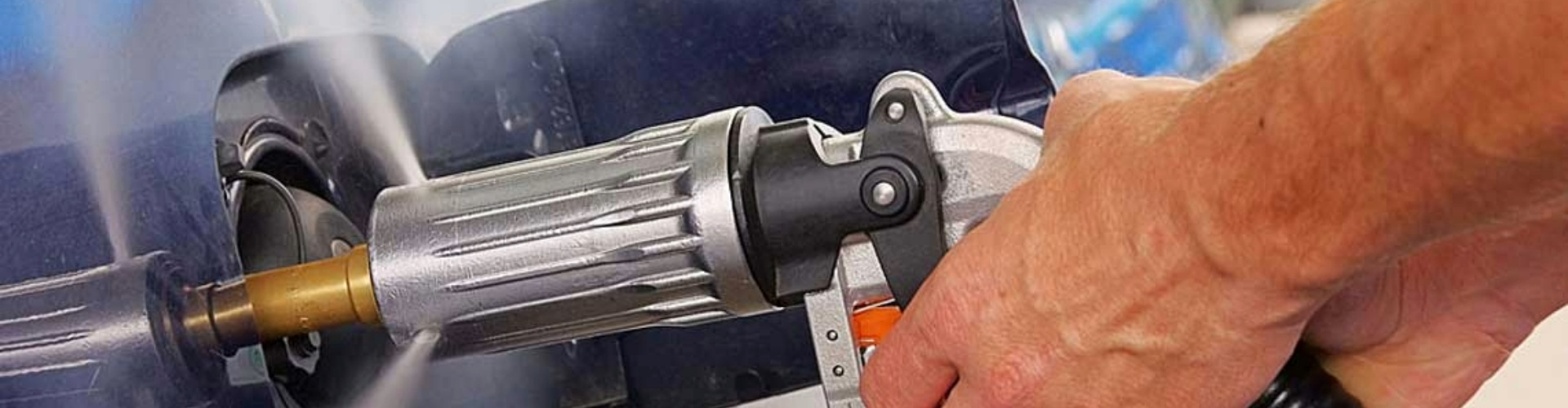
LPG, also known as Autogas, was identified as an important component of petrol way back in 1910 but didn’t emerge as a retail option until the global oil crisis of 1973.
Billed as a cheaper and more ecofriendly alternative to petrol and diesel, the Federal Government offered rebates from 2006 to owners who had LPG systems installed on their vehicles or purchased new LPG-fuelled models. The sale of dual fuel and full-LPG aftermarket systems boomed, and the NRMA’s technical expertise was often called on in the testing and development of these systems. Ford and Holden also offered factory-installed systems on Falcons and Commodores until local manufacturing ceased in 2016.
Wait, what is Autogas?
Autogas is a form of liquified petroleum gas (LPG) that is available for use in cars. Typically a mix of propane and butane, it is usually half the cost of petrol per litre.
Related: Fuel types explained
So what exactly happened to LPG cars?
Well, more than one factor conspired against its use in the automotive world. The rebate offer introduced under the Howard Government was withdrawn in 2014 after years of low take-up. In 2011, an excise was introduced starting at 2.5 cents per litre (it currently sits at 1.72 cents per litre). This reduced LPG’s cost benefits at a time when the fuel efficiency of newer petrol and diesel vehicles improved.
New LPG car sales declined from 5329 vehicles in 2013 (2716 of which were non-private passenger cars, eg taxis), to none in 2018. After this, the FCAI (Federal Chamber of Automotive Industries) stopped reporting on LPG car sales. With LPG bowsers being phased out (it doesn’t stack up economically for many smaller sites to maintain them), it can also be harder to find outlets in country areas.
People used to convert their cars to LPG too. In the 2000s, LPG installation was a relatively easy conversion process carried out by workshops that had the appropriate accreditation.
Conversion costs ranged from $2000 to $4000 but, since that time, vehicle design has become more technically sophisticated. Basic LPG installation kits relied on simple electronic interface systems to make them compatible with the vehicle’s electronics and also needed abundance of boot space to house the tank in the rear or underneath the vehicle.
While this suited large family sedans, at the time the mainstay of the industry, tastes in vehicle style – and drivetrain – have changed. Hybrid vehicles like the Toyota Camry have also filled the LPG void in the taxi industry, and are becoming more popular with private buyers. There are now more cheap electric vehicles on the market also.
Are LPG cars being phased out?
Today, there are still around 6800 LPG cars on the road in NSW, most of which were manufactured by Ford between 2001 and 2010. While you can't buy a new car with an LPG tank anymore, it’s still possible to convert them. Repco advises that a conversion today costs from $1500-4500. Because of the space needed for an LPG tank and other factors, each vehicle needs a bespoke quote.
Where can I buy LPG or Autogas for my car?
LPG is still sold at large-volume service stations, but the concern going forward is availability in regional areas. The My NRMA app shows where LPG is sold and the best advice is to plan ahead before you set off, especially if your vehicle runs purely on LPG.


