ANZAC Day road trip - a drive to remember from Sydney to Canberra

The aroma of disappointment wafts from my barely-warm latte – a trivial grievance, admittedly, when measured against my grandfathers' wartime ordeals.
One dodged shrieking Stukas at Dunkirk; the other battled through Borneo's oppressive jungle humidity. Yet here I am, genuinely vexed by subpar coffee temperature. Such is the privilege of subsequent generations.
So, contemplating a pilgrimage to Canberra to inflict educational suffering upon your offspring? (Why should they escape unscathed?) I've got just the route.
The Remembrance Driveway
The Remembrance Driveway is one of Australia's most unusual war memorials – not a statue commanding a city square, but a living corridor of remembrance threading between Sydney and Canberra. Conceived in 1954 when Queen Elizabeth II and the Duke of Edinburgh ceremonially planted the first saplings in Sydney, the vision was elegantly simple: create a memorial that breathes and grows through the countryside.
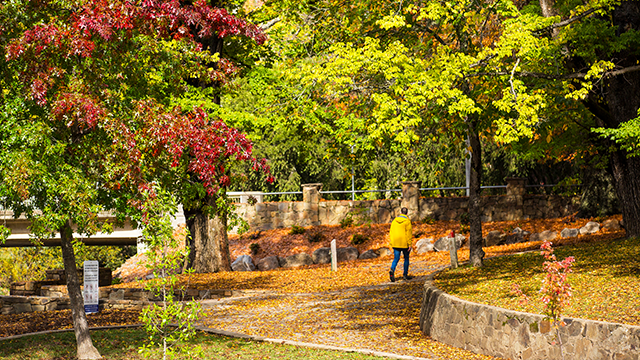
Across the ensuing decades, thousands of trees, intimate groves and memorial gardens have been planted along this route by community groups, councils and commemorative organisations, each verdant cluster honouring Australians who answered their nation's call.
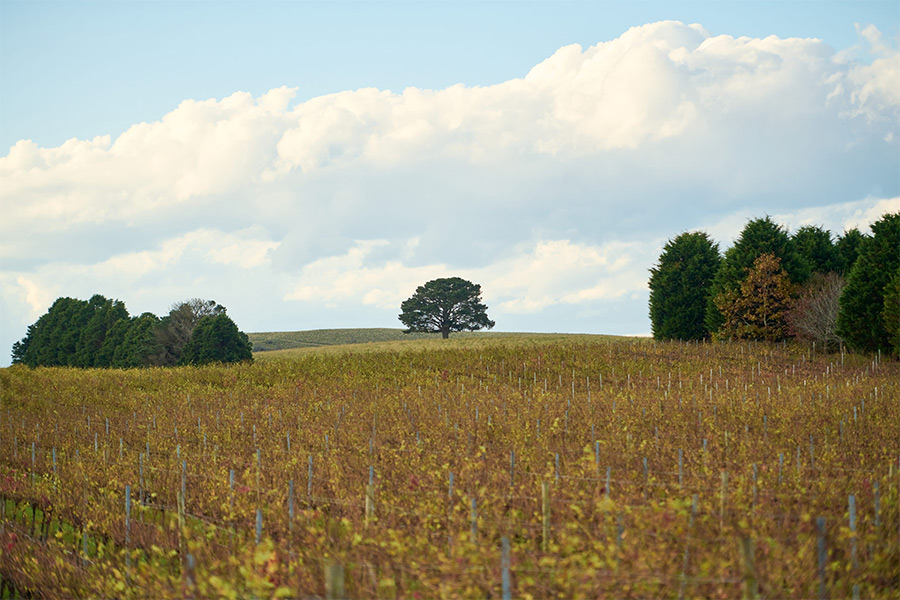
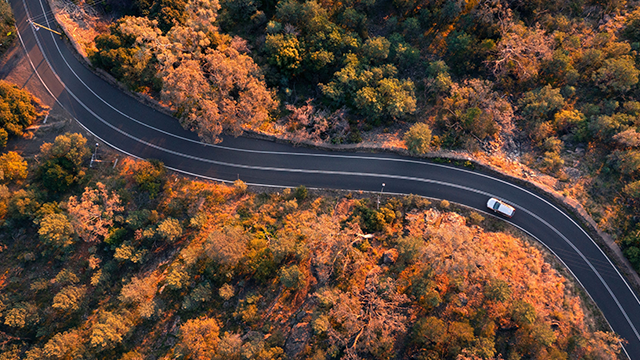
Today the drive unfolds as a meditative landscape where passing countryside – sun-bleached paddocks, rolling hills and stately tree-lined avenues – quietly carries the weight of those who never returned. I propose pausing at these hallowed spots to unfold stiff legs, breathe deeply, and absorb the remarkable exploits of these extraordinarily brave VC winners en route to the Australian War Memorial, genuinely one of the world’s premier war commemorations.
Menangle
At Menangle, we veer toward our first rest stop: Partridge VC Rest Area. Following an hour navigating the Hume Highway's soulless monotony from Sydney, this marks our inaugural VC sanctuary. Overlooking a modest dam, there's a coffee van dispensing surprisingly excellent roadside espresso and a farmers' market bursting with jewel-toned produce.
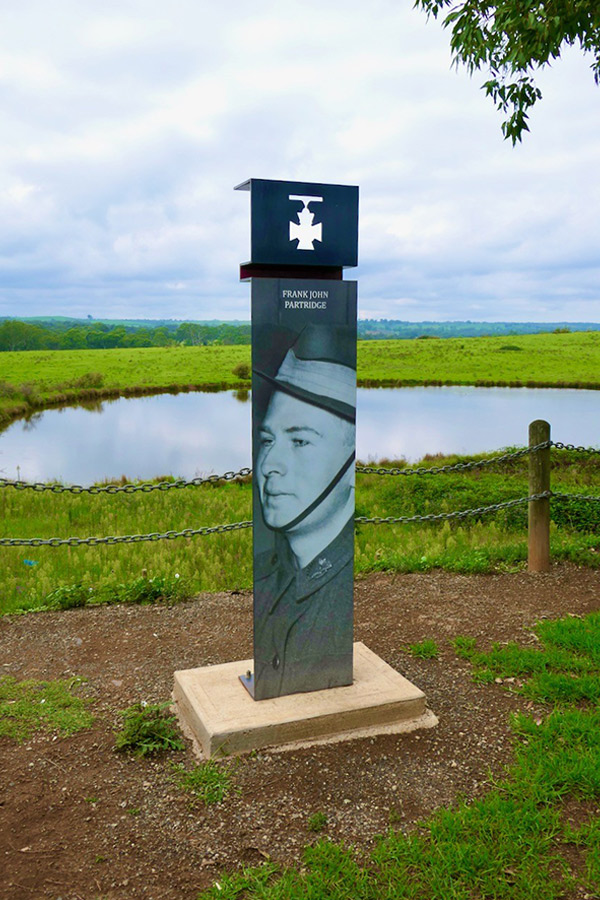
Image: Memorial marker dedicated to Frank John Patridge / Lydie Thorpe
Cappuccino in hand, I study the bird-dropping-adorned plaque commemorating Frank Partridge (1924-1964), awarded the Victoria Cross for Bougainville heroics –the war's youngest VC recipient. July 1945, age twenty, absorbing three bullets, he single-handedly annihilated a Japanese machine-gun position. Storming forward, he hurled a grenade while bellowing "come out and fight," then plunged knife-first into the bunker, dispatching the enemy who'd shot at him.
Ironically, Frank perished in a 1964 car accident and received full military honours at Macksville Cemetery.
Sutton Forest
At Sutton Forest we swap drivers and stretch like sun-drunk cats at the John Mackey VC rest area. I notice this is the last of the impressive photographic monuments – as though they simply exhausted enthusiasm or funding, or more likely both, for the remaining VC recipients.
John Mackey VC (1918–1945) exemplified the understated heroism that defined his generation. A lieutenant commanding the 2/3rd Pioneer Battalion, he led assaults against fortified Japanese positions during May 1945's Battle of Tarakan in Borneo (where my maternal grandfather served).
When withering machine-gun fire pinned down the attack, Mackey advanced repeatedly into the maelstrom, deliberately exposing himself to systematically destroy bunkers and galvanise his faltering men.
Mortally wounded yet undeterred, he pressed the assault that ultimately secured the objective and preserved countless comrades. His posthumous Victoria Cross honours that particular brand of quiet, steel-spined courage Australian soldiers demonstrated even as the war gasped its final breaths.
RAAF Memorial Grove
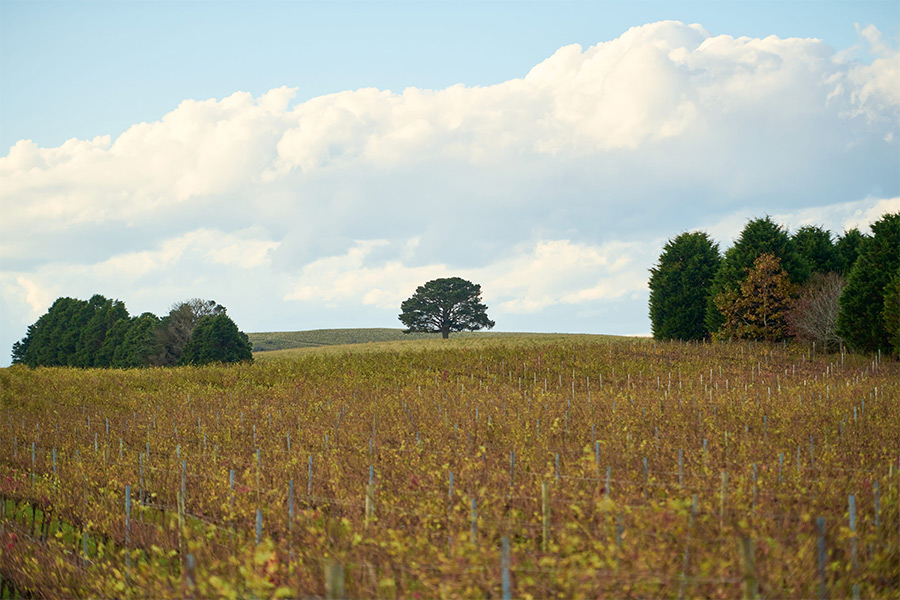
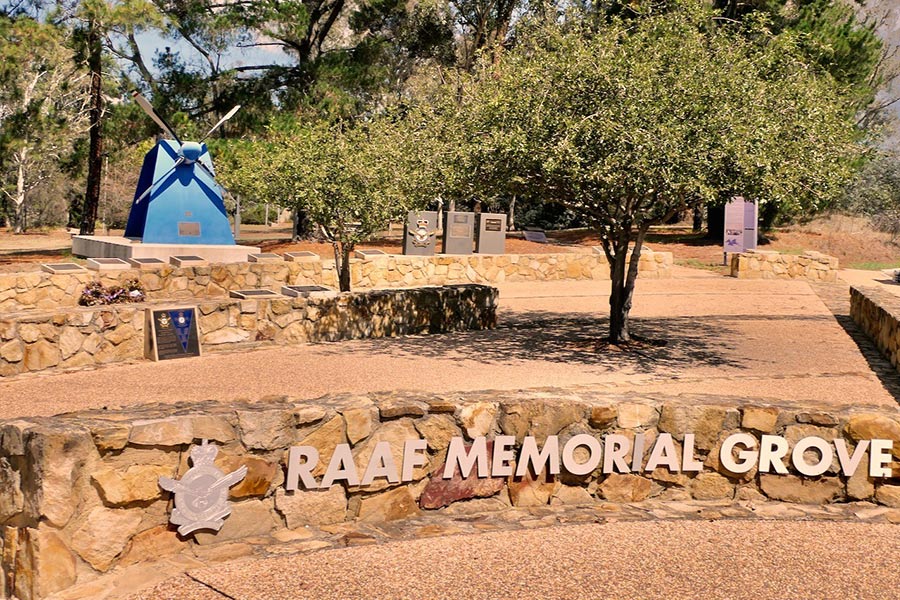
Perhaps the most arresting rest stop crowns Canberra's outskirts: the RAAF Memorial Grove with its soaring propeller monument. The monument's dedication ceremony featured 90-year-old Sid Butcher – yes, genuinely a butcher from Terrigal, sporting fingertips uniformly truncated by his trade.
He'd spent a lifetime resenting his diminutive stature. Until it preserved his life. During the Dutch East Indies evacuation, Sid secured the last seat on the final departing aircraft purely through bantam weight and compact frame. The remaining Allied personnel left behind faced Japanese bayonets and systematic execution.
The Australian War Memorial
After sampling various VC rest stops along the highway – appetisers whetting our appetite for the main memorial – we roll into the capital. Warning, dear traveller: Canberra's CBD now enforces surprise all-day 40-zones. The penalty? A stinging $301. (That mysterious extra dollar remains unexplained. Administrative postage, perhaps?) Locals navigate this knowledge comfortably. Sydney drivers prove particularly vulnerable.
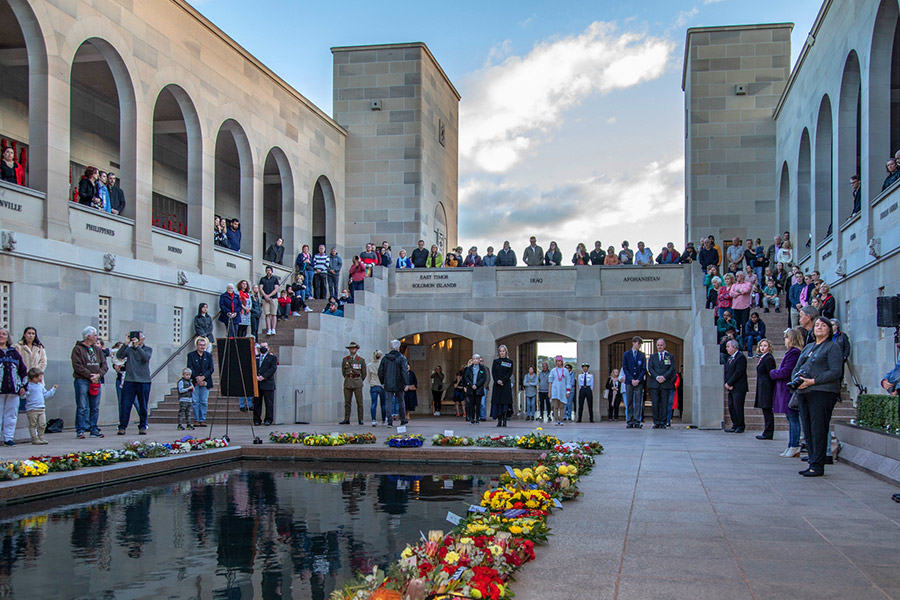
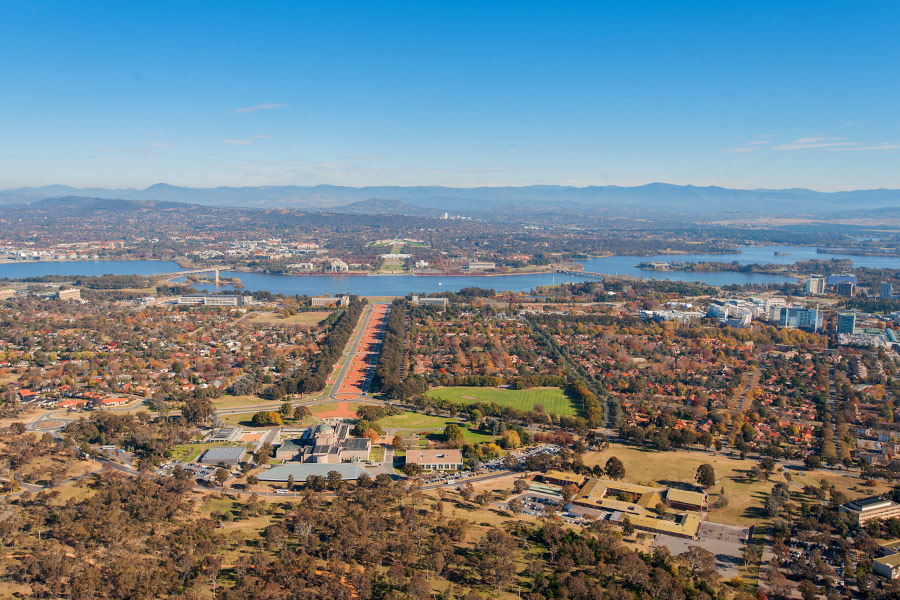
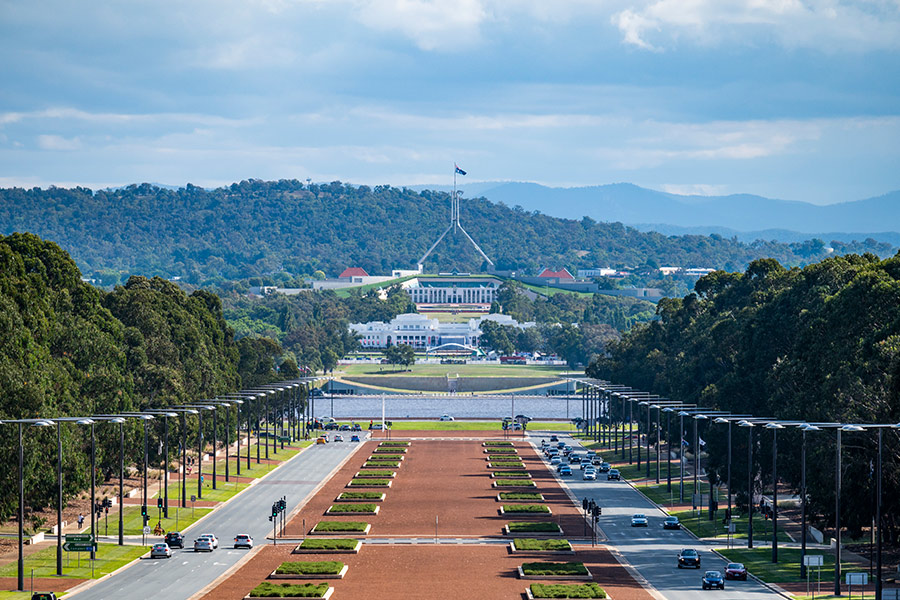
We then make a direct line for the Australian War Memorial. The experience never diminishes. There's theatrical gravitas in simply approaching the structure – those commanding honey-hued sandstone facades crowned by verdigris-touched copper domes. We linger over nostalgic dioramas and meticulously crafted exhibitions.
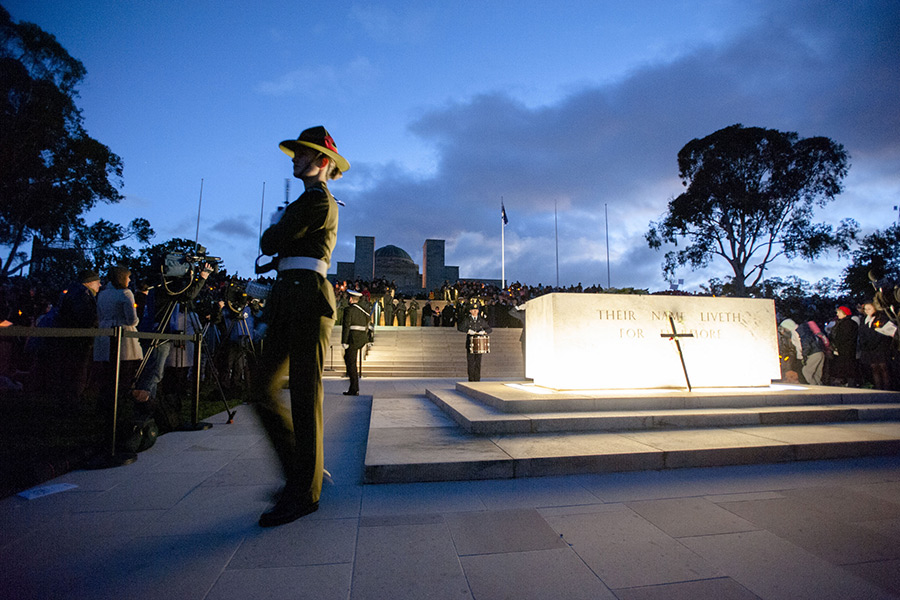
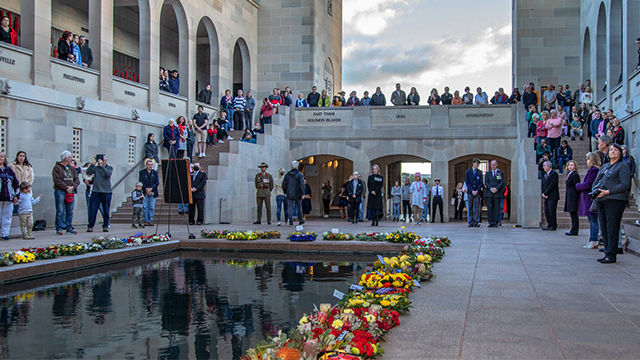
But the memorial's true crescendo arrives with the Last Post ceremony at sunset. Did you know they conduct this daily? The ritual unfolds with bagpipes keening, bugles piercing the twilight, drums maintaining solemn cadence. The impeccably presented defence personnel executing these honours deserve recognition – there's nothing perfunctory in their daily devotion. Each ceremony chronicles an individual serviceperson's wartime experience, transforming abstract sacrifice into intimate human story.
ANZAC road trip reflections
Standing there as the final notes fade into Canberra's cooling air, my sons shuffle awkwardly – uncomprehending but present. Perhaps that's enough. Perhaps witnessing these rituals plants seeds that germinate later, when they're brewing their own lattes while pondering what their own grandfather (me) contributed to their comfortable world.
The drive home passes quietly, the highway's VC rest areas standing sentinel in our mirrors, their commemorative plaques gathering fresh layers of guano, waiting patiently for the next traveller seeking connection to something larger than lukewarm beverages and First-World irritations.