Best Big Things in Australia: road tripping to the Big Prawn, Big Pineapple and more in a Mazda MX-5

“Welcome,” says our tour guide with a flourish as she twists the key in the giant yellow door, “to our recently refurbished, and now air conditioned, Big Pineapple!”
The door is pushed open and we’re greeted by a wave of wonderfully cool air. I pause at the threshold, halted by a momentary sense of occasion. This is a cultural icon, after all.
Australia’s obsession with going big
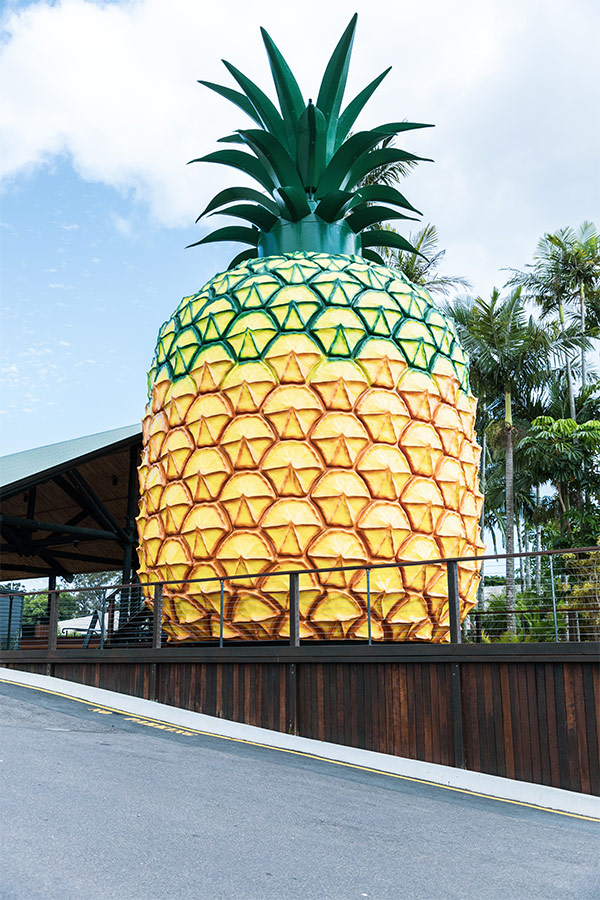
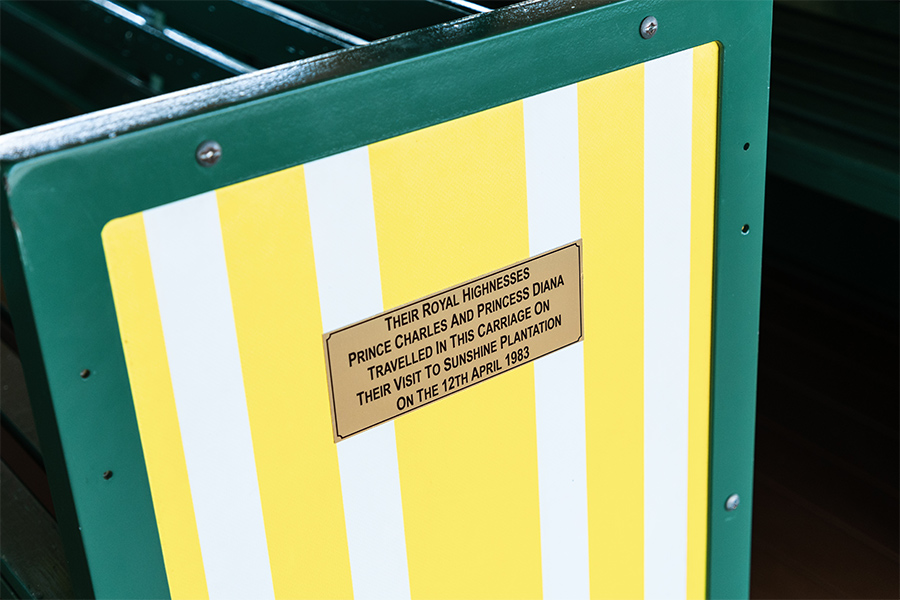
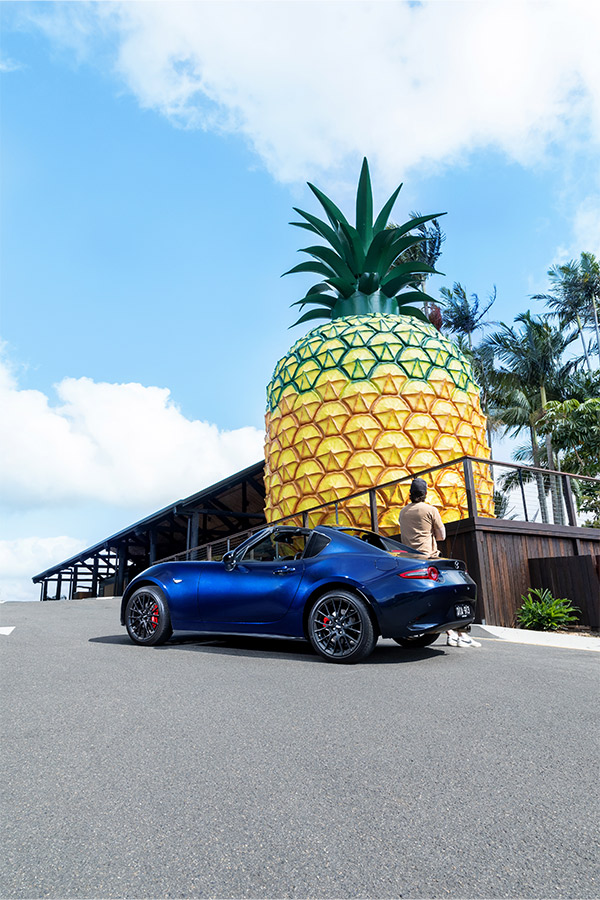
A towering, 16-metre fibreglass sculpture, the heritage-listed Big Pineapple is so entwined with Aussie culture that it has appeared on stamps, been immortalised on coins, and even hosted royalty. Dressed in a crisp grey suit and a flowing lemon dress, Prince Charles and Princess Diana toured the Pineapple in Woombye as part of their royal visit in 1983. It was quite the event – at the time the Pineapple drew around one million visitors a year – and if you rewatch the grainy television footage today, it’s possible to catch the occasional furtive glance of bemusement from the royals as they stare at the giant fruit, perhaps wondering, “What on earth is all the fuss about?”
It’s a question that still feels somewhat unanswered. Depending on who you ask, Australia has at least 150 Big Things scattered around the country, with some estimates claiming the actual figure is well over 1000. They’re so prevalent that I’d wager most of us have a Big Thing memory. Often they’re linked to our childhood and almost always to that greatest of all Australian pastimes, the family road trip.
Feature link: Read some the best ‘Big Thing’ encounters from NRMA members
But where does our fascination with supersized attractions stem from? And why are these enormous sculptures, considered by some to be a touch “cringe” and kitsch, so beloved and reflective of Aussie culture?
To get to the bottom of these, ahem, enormous questions, we’re planning to visit three attractions. Each is in Queensland, a state that boasts more than its fair share of larger-than-life sculptures, although if time allows, we’ll also dip south of the border to Ballina for a gander at the Big Prawn.
Big Things and the great Australian road trip
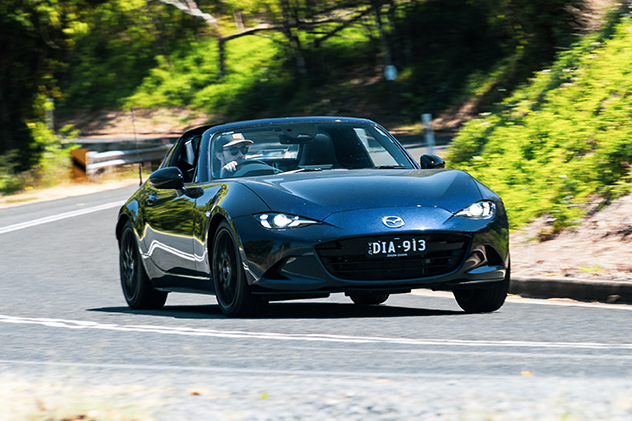
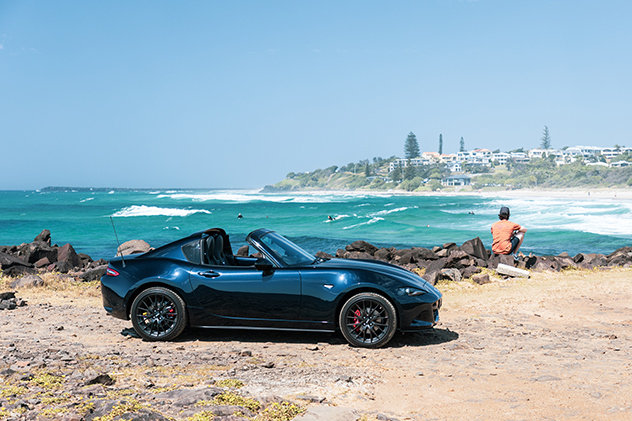
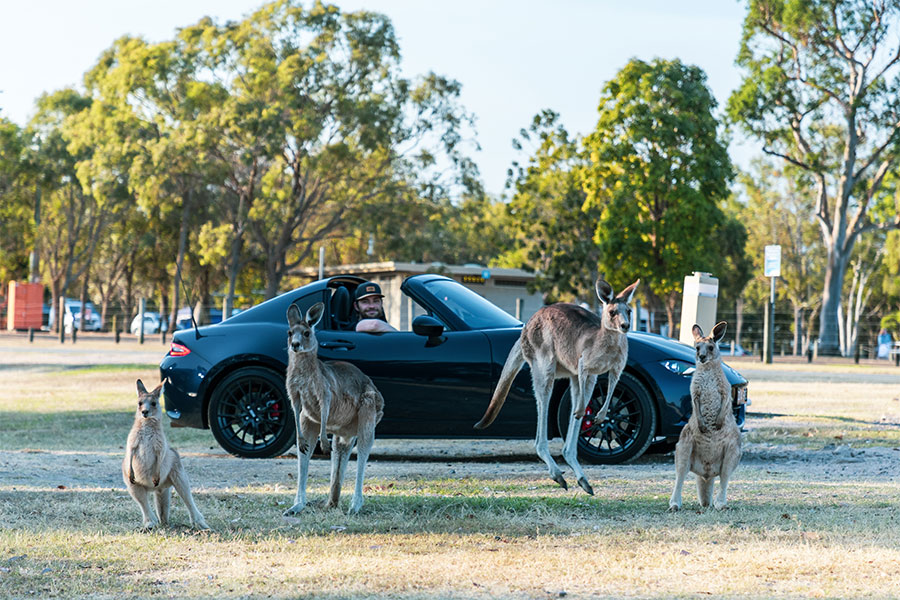
Our quest starts in Brisbane where we collect our car for this big adventure: the mighty Mazda MX-5. Aside from the obvious appeal of using a small car to explore big things, there’s a deeper purpose in bringing Mazda’s iconic sports car along for the journey. Like many of the attractions we’re setting out to see, the MX-5 is something of an enduring icon and it recently celebrated its 35th birthday.
Besides, there’s something pleasing about driving a convertible on a summer road trip, and with the Queensland sun shining, I quickly drop the roof as we head to our first supersized attraction, the Big Cow in Toowoomba.
The Big Cow, Highfields QLD
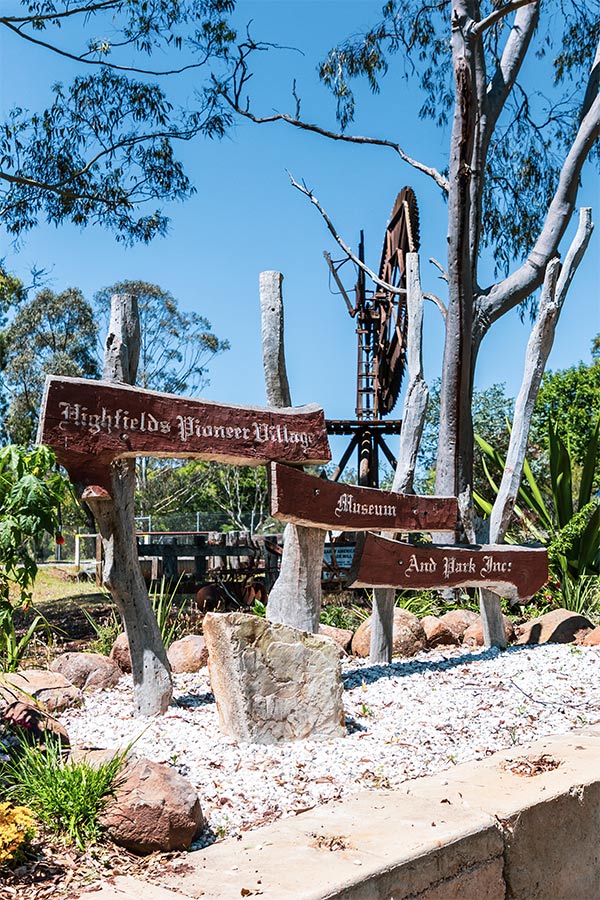
Like the Pineapple, the Cow – affectionately known as ‘Clivia’ to its owner Ray Ashford OAM – is one of Australia’s oldest Big Things. Designed by Hugh Anderson to be five times life size, it was originally positioned above the old Bruce Highway on the Sunshine Coast in the 1970s and featured a popular roadside kiosk famous for its delicious milkshakes. But after decades of popularity, Clivia fell into disrepair in the late ’90s and by the 2000s its current owner faced two choices: destruction or find someone willing to take it off his hands. Enter Ray Ashford.
“She was in a bad way when I got to her,” Ray recalls. “I was the first one to walk into her and I fell straight through the floor and down into her udder! Skinned my shins on the steel on the way. There was blood everywhere.” Ray chuckles good naturedly, as if his tumble is a fond memory, but he shakes his head slowly when he recalls the monumental scale of the relocation effort. “We only had five working days to do it, otherwise she was going to be destroyed.”
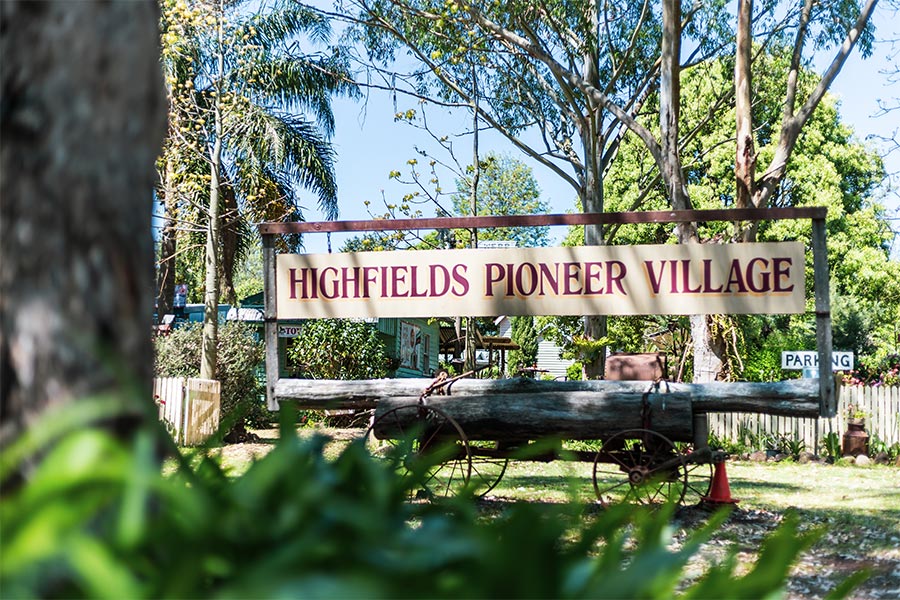
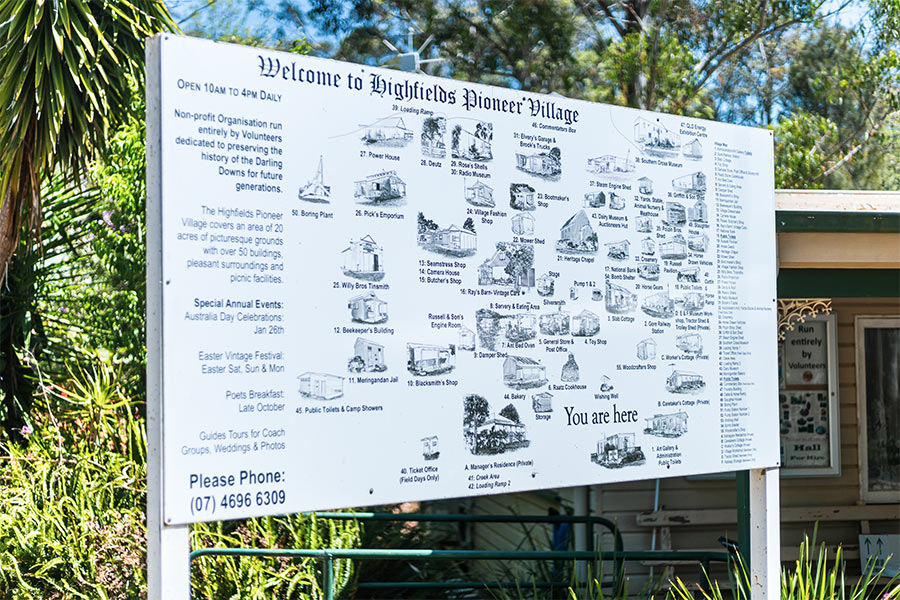
Standing 7.9 metres tall and 12.4 metres long, the Big Cow weighs 12 tonnes and the only way Ray and his team could move it to Clivia’s current location at the Highfields Pioneer Village was to cut her in half horizontally.
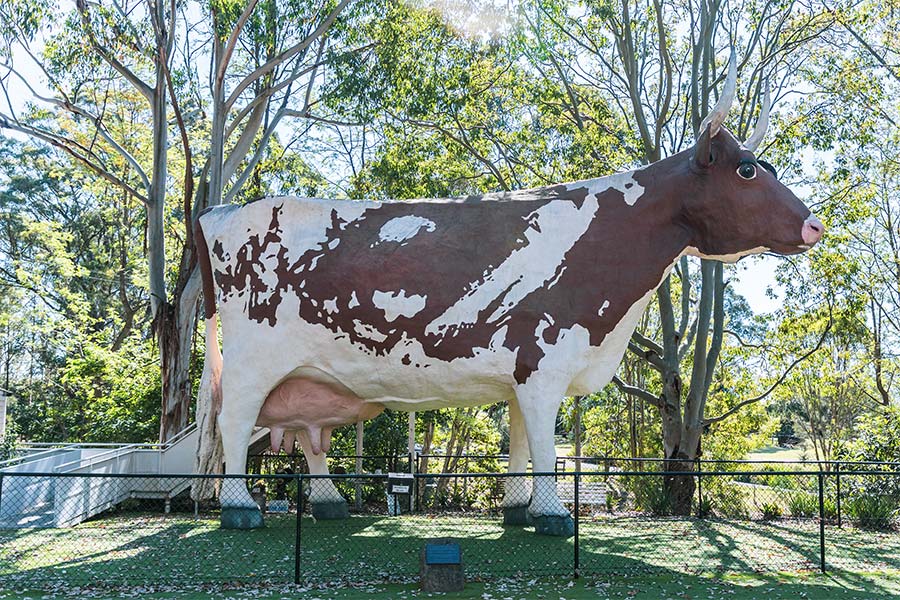
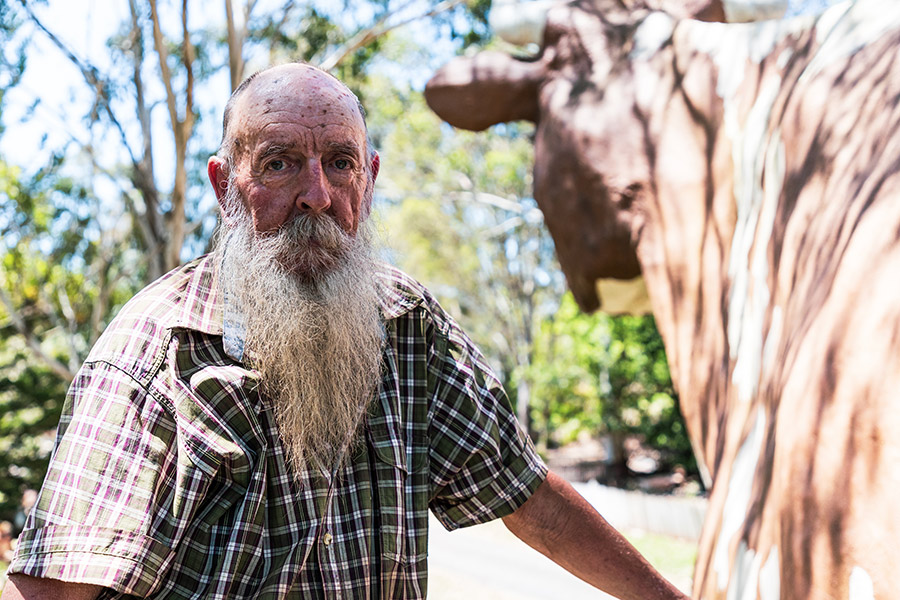
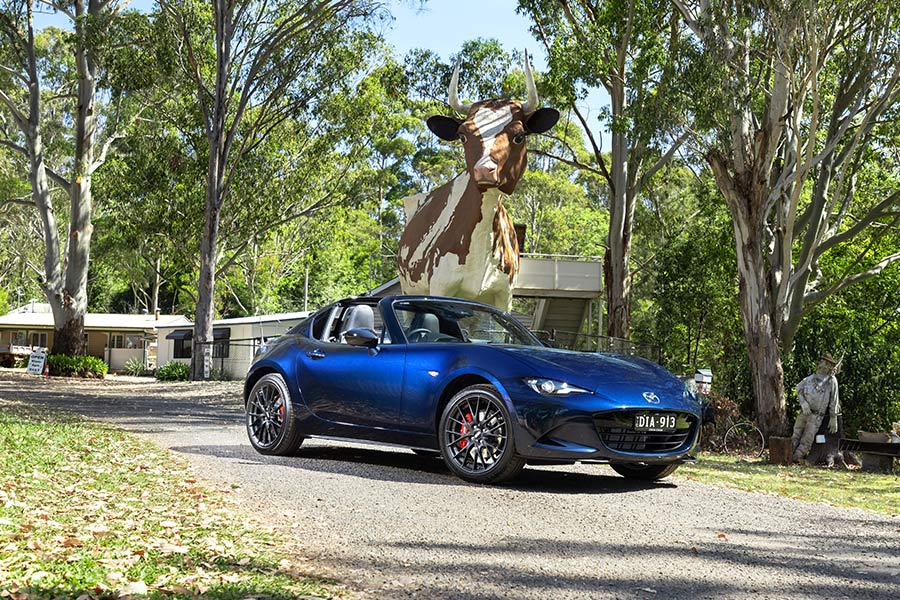
“A lot of people think she’s fibreglass but she’s concrete and steel,” says Ray. “We had to brace everything above and below the cut, so we were in there welding for four days. It made quite the sight, because her ears are hollow and there was smoke pouring out of them. She looked like a fire-breathing monster!”
It wasn’t long, however, before Ray encountered the strange contradiction Aussies have for Big Things. No one knew about the relocation effort until the trucks turned up to transport her.
“Then it was on for young and old,” Ray winces. “We had all these people hugging her legs and TV crews and reporters. One lady even confronted me to say ‘You are nothing but a bloody mongrel! You can’t take our cow away!’”
The tide turned once Ray explained he was saving Clivia from destruction, but it must have been quite the sight to see two enormous flatbeds hauling her to a new home. As for why Aussies are so passionate about Big Things, Ray has a closer insight than most. “I reckon it’s the novelty factor,” he says simply. “People come here every day to see the Big Cow and get a picture.”
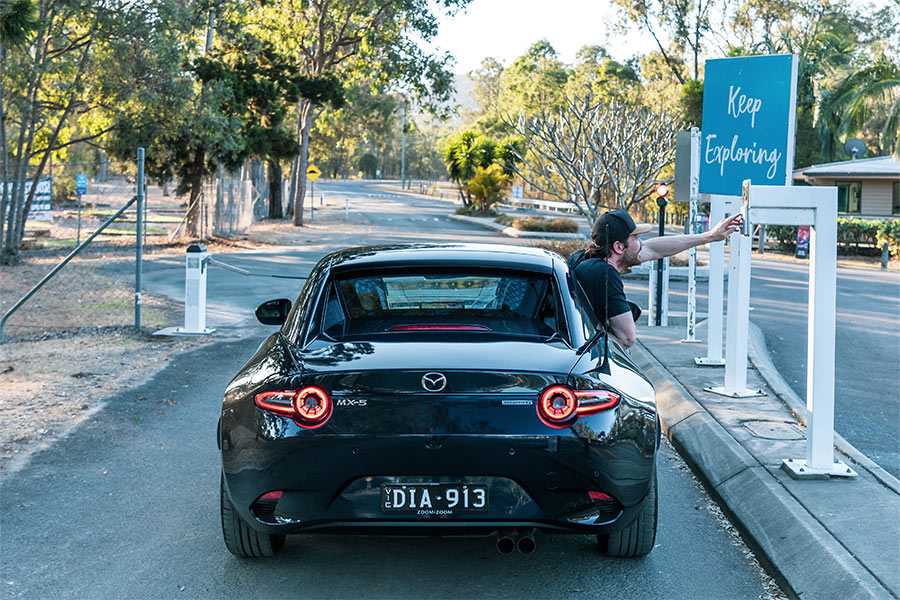
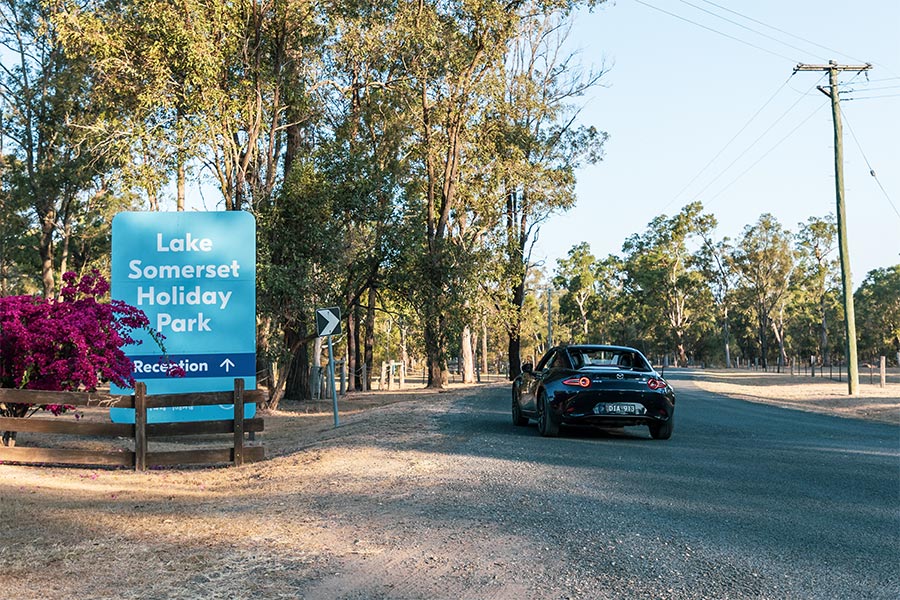
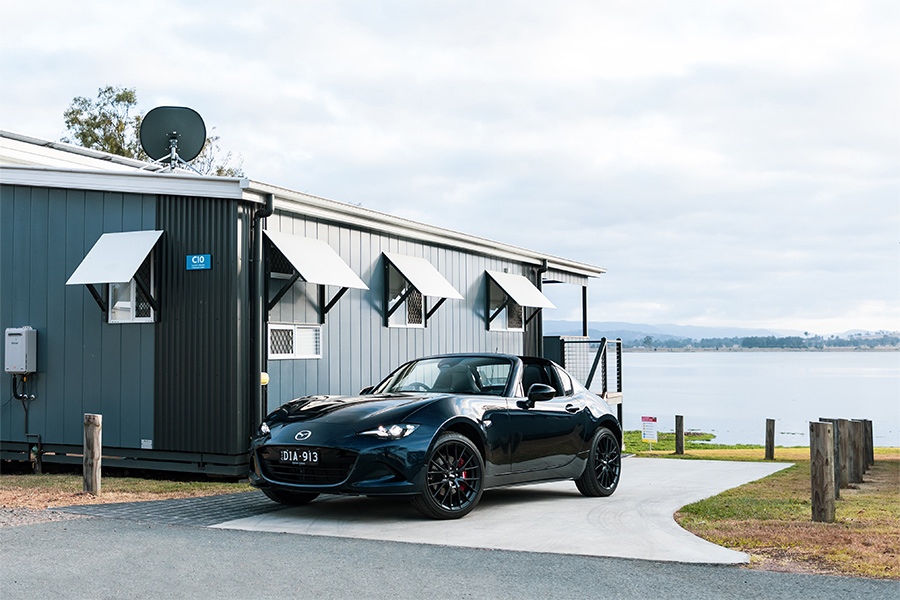
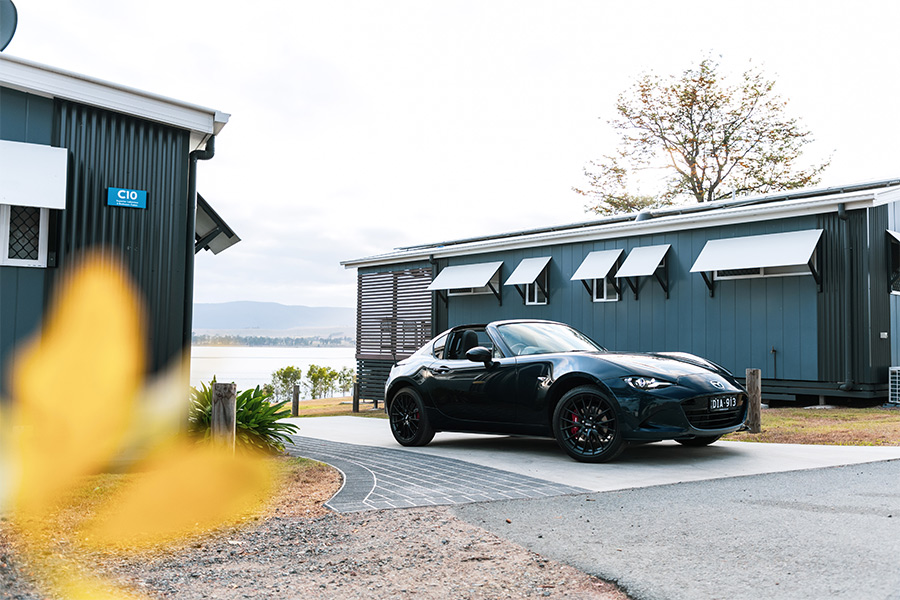
With our own picture in the bag, we pile into the Mazda and make a beeline for our overnight accommodation at the NRMA holiday park on the shores of Lake Somerset. It’s a two-hour drive and the park is bathed in golden light on arrival as the sun dips towards the horizon. It’s a tranquil oasis but sadly we can’t stay long; we’re needed at the Big Pineapple before 8am, which means we’re back on the road before sunrise.
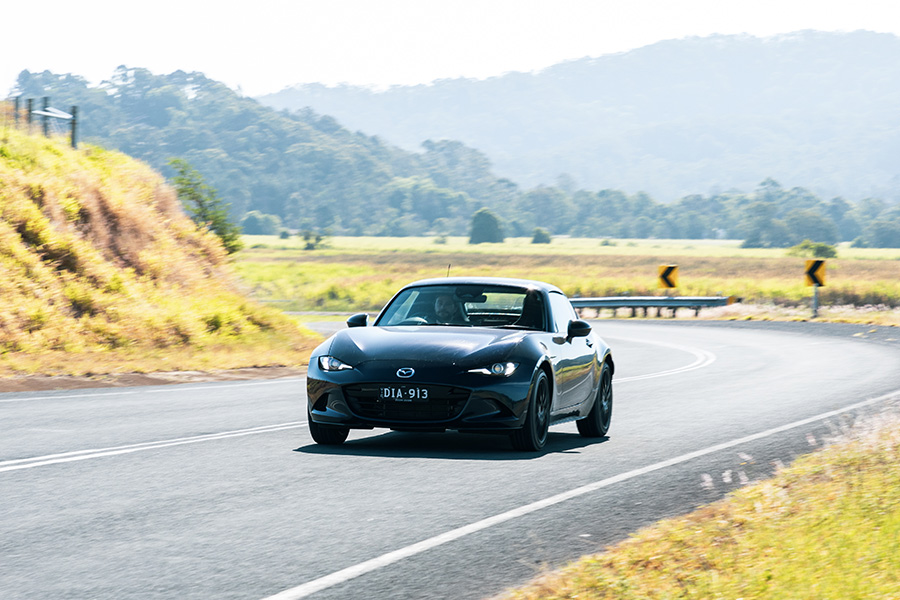
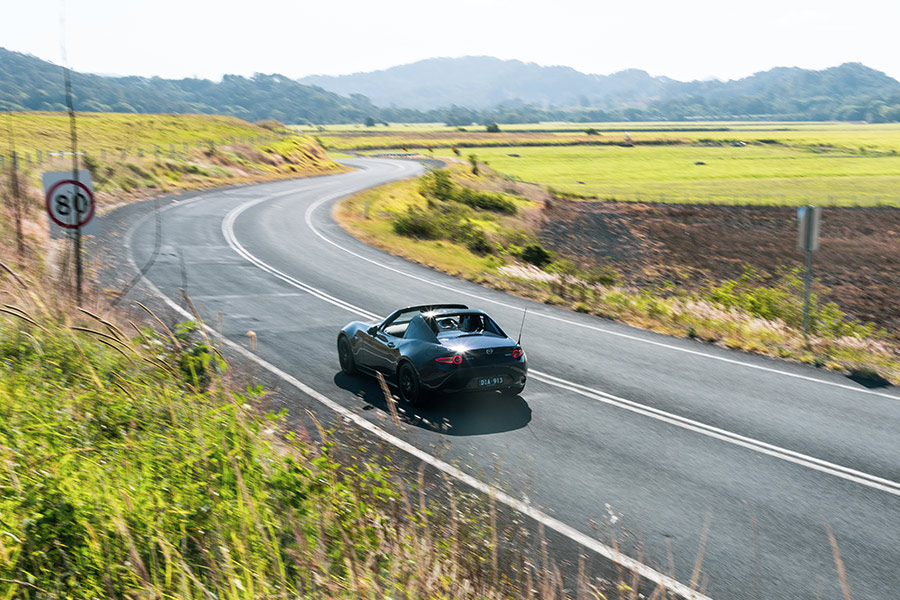
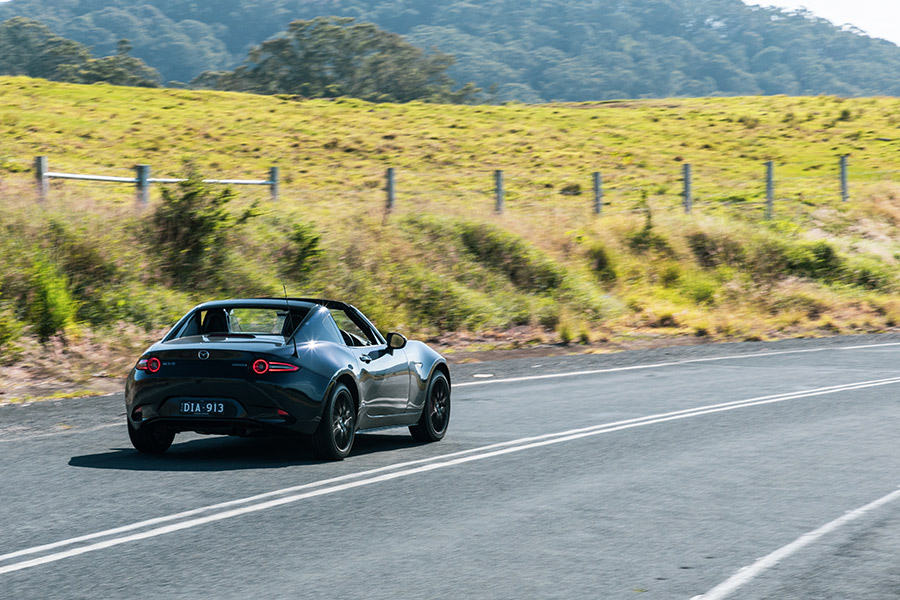
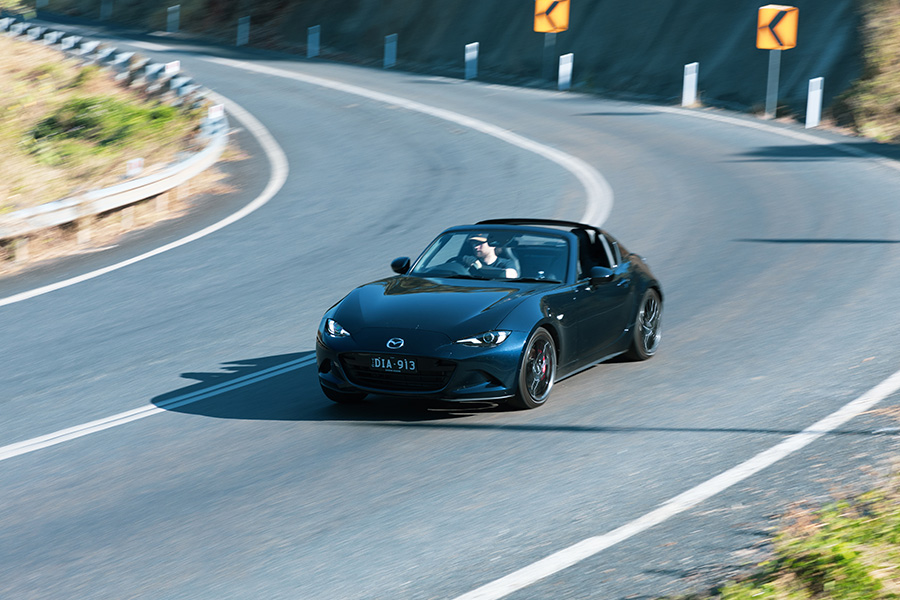
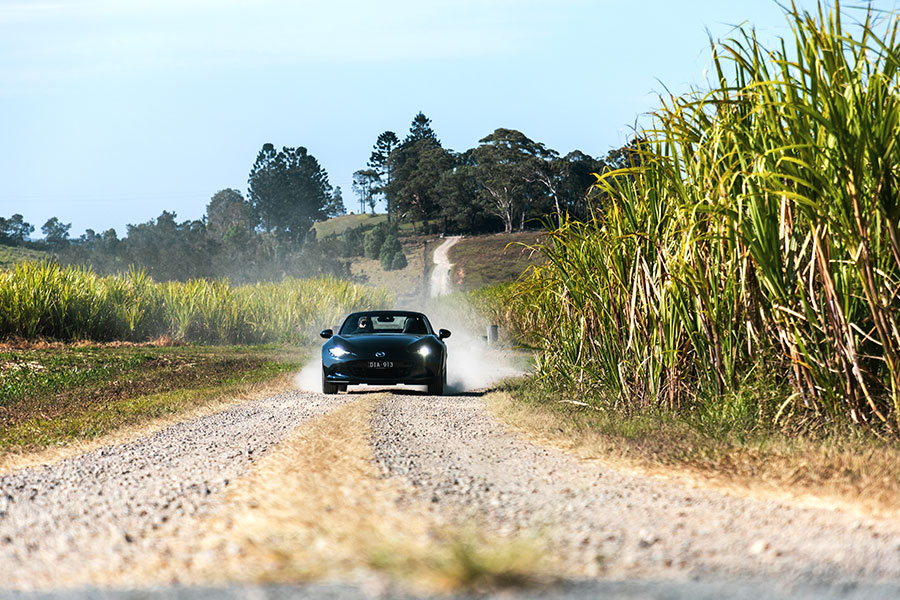
Despite the early hour, it’s a glorious drive – roof down, roads free of traffic, and the landscape full of rolling hills dotted with livestock. It’s the first real chance to stretch the MX-5’s legs, and with the back roads offering up a tantalising mix of flowing second- and third-gear bends, I quickly settle into an easy rhythm. Mazda treated the MX-5 to an update last year, a new differential and revised steering among the improvements. It’s a hoot on roads like these and a reminder that, even today, you don’t need to spend big to enjoy the simple thrill of driving.
The Big Pineapple, Woombye QLD
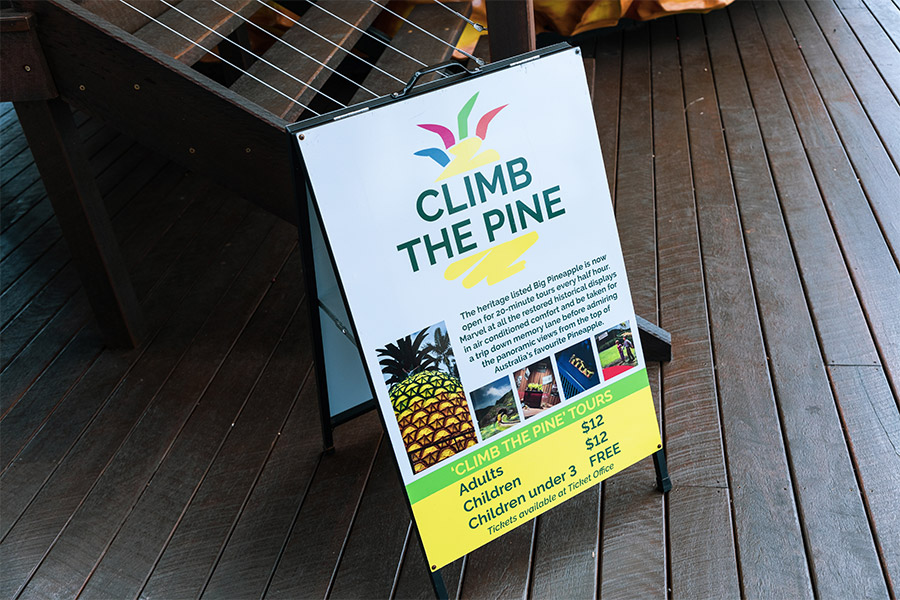
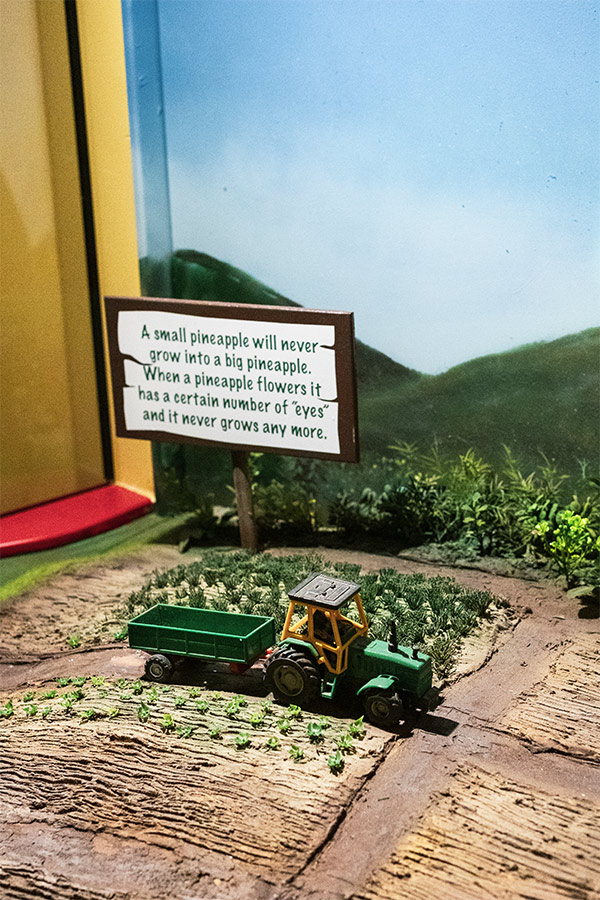
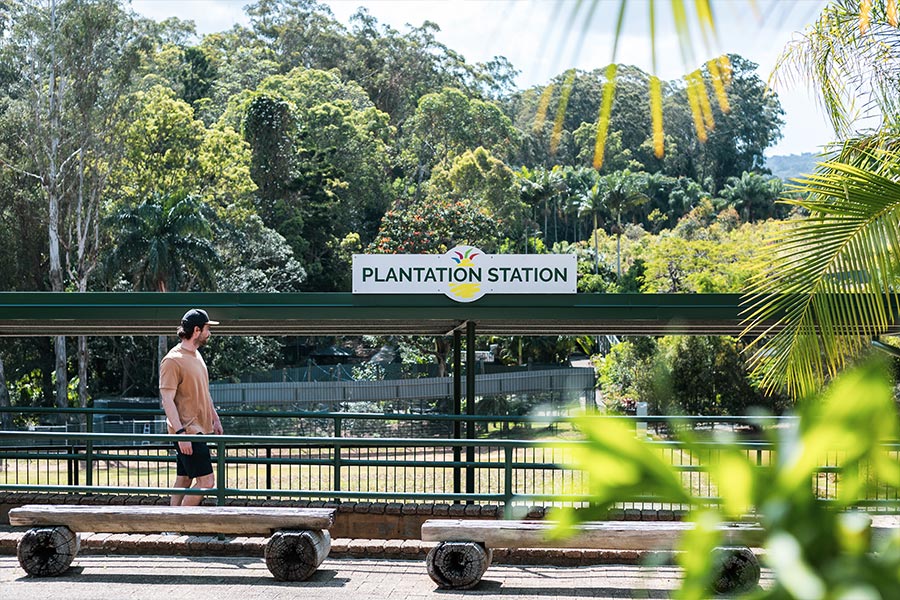
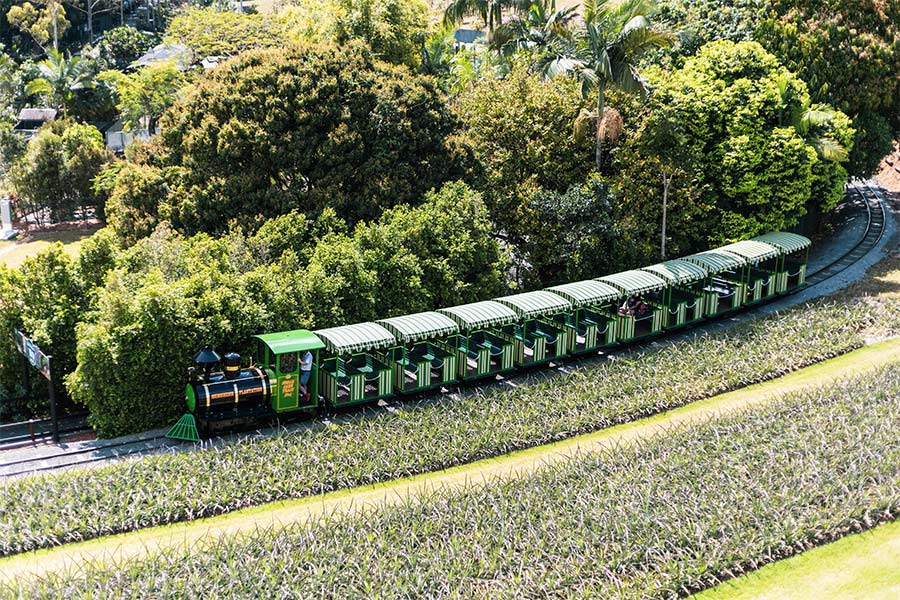
If the Big Cow felt a little worn and tired, then the Big Pineapple is a gleaming beacon of newfound youthfulness. It too has been through some rough patches as the popularity of Big Things waxed and waned, but it’s obvious the new owners are investing heavily. Aside from the welcome inclusion of air-con – “It used to be an absolute hot box in summer,” our guide tells us – there’s a bustling café, a playground for the kids, a display of the famous ‘Sugar Train’ carriage that carried Charles and Diana, and even a wildlife zoo full of exotic and native animals. Tickets to explore inside the Pineapple, which sprawls over three levels and is full of history and info on the pineapple plantation, are $12 and worth every cent.
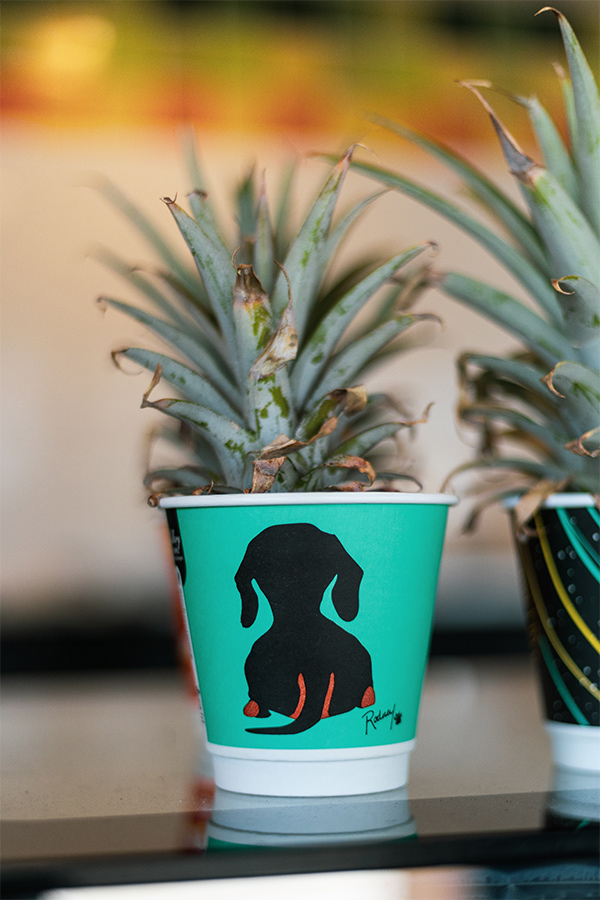
With our pineapple knowledge bulging (did you know they take two years to be ready for harvest?), we emerge to find the carpark bustling. It’s mostly young families, smaller kids running to investigate while eye-rolling teens lag behind until phones appear and memories are captured.
The Big Whale, Hervey Bay QLD
Our next Big Thing is a radical change of pace. Set two hours away in Hervey Bay, ‘Nala’ the Big Whale is a positive newbie on the scene, having only been in place since 2012. The sculpture looks fresh too, with its chromed underbelly gleaming in the harsh Queensland sun. Despite only standing 8.3 metres tall, it makes the ‘biggest’ impression on us so far. Part of that is her width (she measures 14.8 metres flipper to flipper), but much of the impact is delivered by the quality of the craftsmanship. Whereas the others are clearly roadside attractions, Nala feels more like a gigantic artwork. Hervey Bay is, of course, famous for its whale watching and the sculpture is based on an actual humpback that has been returning to the area since 1992.
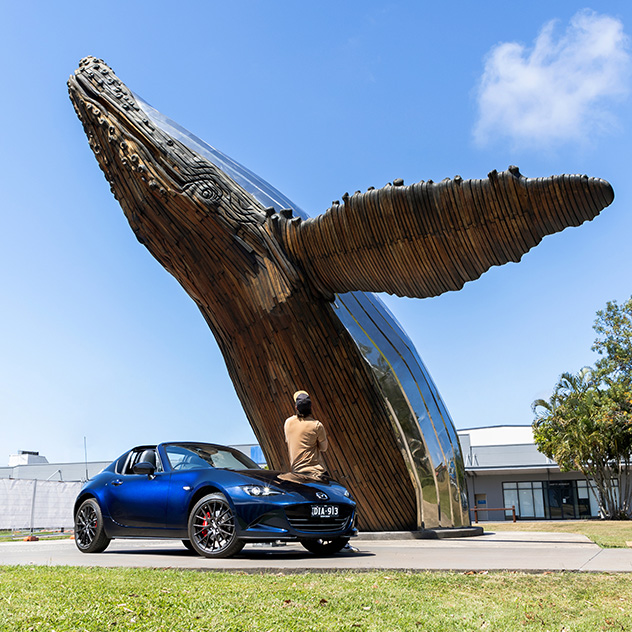
“It’s probably about the best whale sculpture in the world,” says local woodworker Ross Bradbury who spent over 250 hours finessing the gigantic pieces of recycled hardwood on Nala’s body.
“I’m not across the financials, but I do know that when it was being moved into place it was insured for a million dollars.”
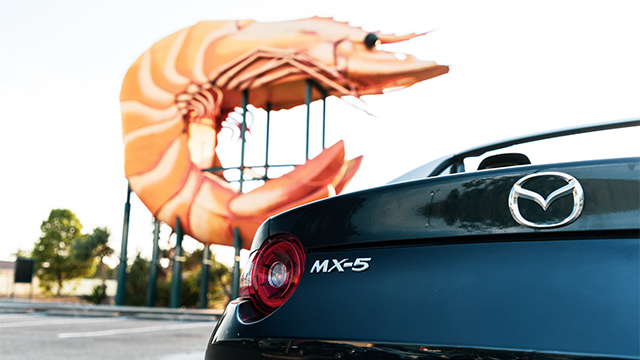
With the temperature rising we head to the esplanade for some food and to cool off. Optimistically (or perhaps foolishly?) we decide that squeezing in the Big Prawn is doable, so with full tummies we begin the six-hour slog down to Ballina. The Prawn is intriguing because it is unexpectedly polarising, at least with our photographer Nathan Duff. He grew up close to the attraction and was a teenager when it was first built in 1989. He can barely muster a positive word about it. “Urgh, it’s just so daggy,” he opines. “Do we have to see it?” But the sheer fact that we can is something of a miracle…
The Big Prawn, West Ballina NSW
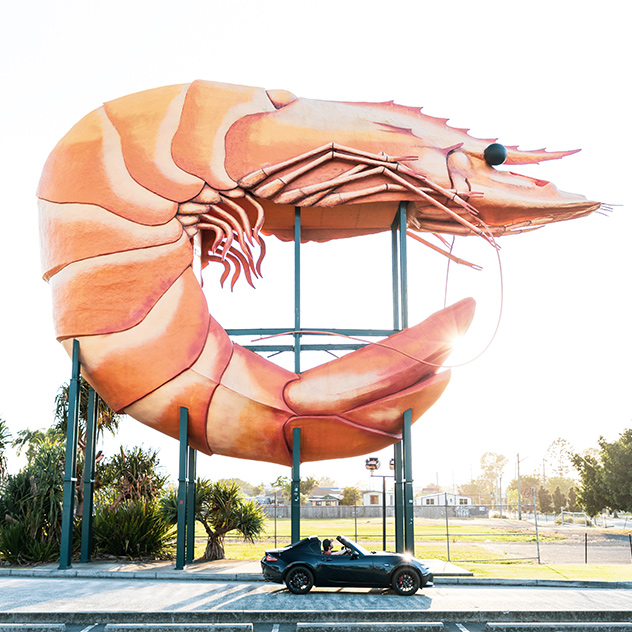
The brainchild of Hungarian brothers, Attila and Louis Mokany, who also created the Big Oyster in Taree and the Big Merino in Goulburn, the Prawn was actually approved for demolition in 2009 but was saved by Bunnings Warehouse. The retail giant funded a $400,000 restoration, which included adding a tail and transportation to the store’s carpark in west Ballina.
Another early start means we roll into town just as the sky is turning peach and purple. The Prawn looms above us and even at 6am on a Saturday morning, cars are pulling up for a picture. Like most attractions of its kind, the prawn celebrates the region’s local industry.
“It does look great,” admits Nathan with barely a hint of sourness. “It was worth the drive…"
Why Australia still loves its Big Things
Before long we’re camped in a local café, our eyes glued to the sparkling ocean as the caffeine begins to work its magic. Our trip has been full of big days and big kays (the little Mazda lapped them up) but it has been worth it, not least because I now have a firm grasp of what makes Big Things so uniquely Australian.
Yes, other countries have oversized attractions, but few can marry tackiness and kitschiness with a playful sense of humour quite like we can. Big Things feel nostalgic and mischievous; they don’t ask to be taken too seriously.
They also provide a flashpoint of connection. We spoke and laughed with total strangers at each spot and as pointless or as silly as Big Things can seem, there’s no denying we’re still drawn to them. Are they making a comeback? They might just be. In a big way.