
Tips on how your drivers can reduce fuel consumption

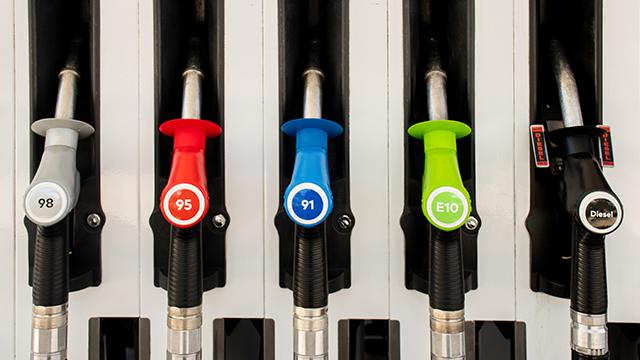
Fuel efficiency has become a key focus for both businesses and drivers. While fuel prices are beyond anyone’s control, how a vehicle is driven and maintained has a significant impact on fuel consumption, operating costs, emissions and overall fleet performance.
The good news: There are several ways drivers can reduce fuel use in company vehicles often without adding time or complexity to their day.
Practical ways drivers can use less fuel
1. Maintain correct tyre pressures
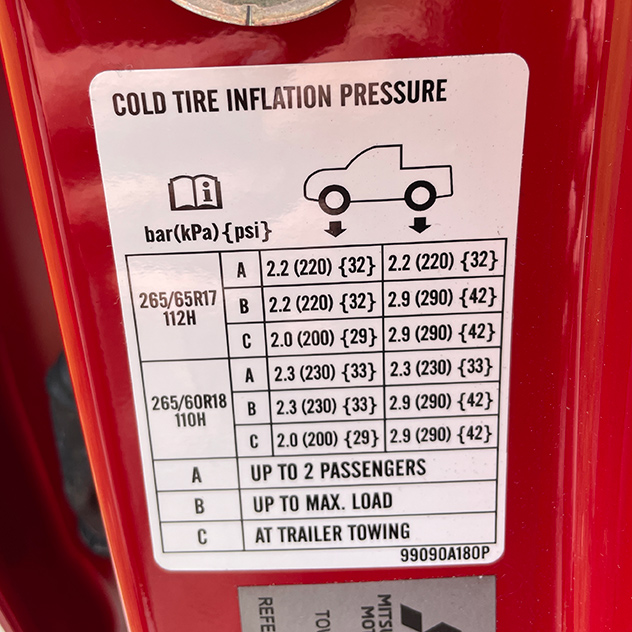
Tyre pressure influences rolling resistance, which directly affects the amount of energy required to keep a vehicle moving. When tyres are underinflated, resistance increases and fuel consumption rises as the engine works harder to maintain speed.
- Underinflated tyres increase rolling resistance and can raise fuel consumption by around 2%
- Always follow the manufacturer’s recommended pressures shown on the tyre placard (usually inside the driver’s door)
- Adjust tyre pressures to suit the load being carried, particularly for vehicles transporting tools or equipment
- Check the spare tyre as part of routine inspections
- Ensure regular wheel alignments, as misalignment causes tyres to drag and increases fuel use
2. Remove unnecessary weight and aerodynamic drag

The heavier and less aerodynamic a vehicle is, the more energy it needs, particularly at higher speeds where air resistance becomes the dominant factor.
- Remove unused tools, equipment, or cargo whenever possible
- Carrying maximum load can increase fuel consumption by up to 24%
- Roof racks, ladder carriers, and bull bars add weight and increase wind resistance
- Removing unused roof racks can improve fuel efficiency by up to 5%, particularly at highway speeds
3. Keep vehicles well serviced
Regular servicing is one of the most effective ways to control fuel costs and maintain long-term performance. Engine efficiency depends heavily on the condition of core systems such as air intake, fuel delivery, and lubrication. As these components degrade, combustion becomes less efficient and fuel consumption gradually increases.
- Follow manufacturer service schedules
- Replace blocked air filters and worn spark plugs promptly
- Maintain clean fuel, injectors and fresh engine oil
- Well‑maintained engines run more efficiently, reduce breakdown risk, and extend vehicle life
4. Drive at fuel‑efficient speeds
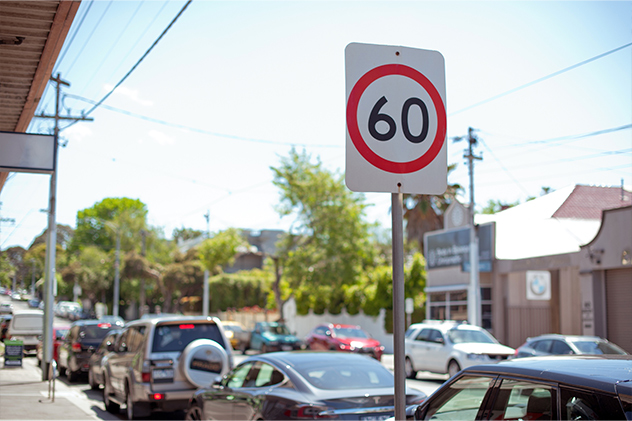
Speed has a direct impact on fuel consumption due to increased aerodynamic resistance. Most vehicles achieve their best fuel efficiency at moderate cruising speeds of between 50 km/h and 80 km/h, where fuel use is typically lower than in stop-start city traffic or higher highway speeds.
- Driving faster than necessary increases fuel use
- Maintaining legal, steady speeds delivers better fuel economy and safer outcomes
5. Drive smoothly and anticipate traffic
Driver behaviour is one of the biggest influences on fuel consumption. Frequent acceleration and harsh braking waste energy by repeatedly rebuilding momentum.
- Aggressive driving can reduce fuel efficiency by approximately 15-30%, depending on conditions.
- Accelerate gradually rather than sharply
- Brake early and gently to avoid last‑second stopping
- Maintain steady speeds wherever road conditions allow
- Look ahead to anticipate traffic flow and road conditions
- Choose routes with free‑flowing traffic rather than stop‑start congestion
6. Reduce unnecessary idling
Idling consumes fuel without moving the vehicle. Light-duty vehicles (such as passenger cars, SUVs, and vans) typically use between 0.6 and 2.0 litres of fuel per hour, depending on engine size and operating conditions.
- Modern engines do not require extended warm‑up periods
- Switch off the engine if stationary for more than a minute (where safe and appropriate)
- Reducing idle time during waiting, loading, or breaks can deliver measurable fuel savings over time
7. Use vehicle features efficiently
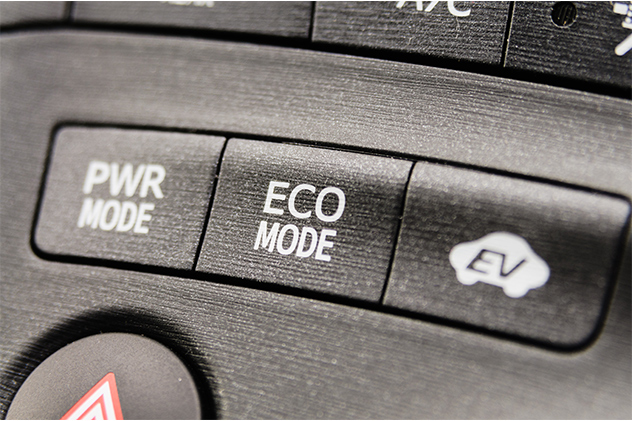
Modern vehicles include features designed to improve fuel‑efficiency when used correctly.
- Shift up early to keep revs low when appropriate
- Apply cruise control on flat, open roads to maintain consistent speeds
- Avoid cruise control in heavy traffic or hilly terrain where unnecessary acceleration occurs
- Select eco or economy drive modes if available, as these optimise throttle response and gear shifts
8. Use air conditioning wisely
The effect of air conditioning on fuel consumption varies significantly depending on vehicle type, ambient temperature, and driving speed.
- At low speeds, opening windows can be more efficient
- At highway speeds, air conditioning is often more efficient than open windows due to reduced aerodynamic drag
- Turn off air conditioning when it’s not required
The bigger picture: small changes, big impact
From a fleet management perspective, small improvements in driving behaviour can result in cost savings when applied consistently across multiple vehicles and drivers. Reduced fuel consumption also lowers emissions, supports sustainability goals, and contributes to better vehicle longevity.
As experts in fleet and vehicle management, we see firsthand how simple, practical habits combined with proactive maintenance deliver real operational benefits. Empowering drivers with the right knowledge not only reduces fuel costs but also leads to safer, more efficient driving across the board.


