What are the most affordable cars in Australia?
New car prices have crept steadily upwards in recent years, but there are still a handful of budget-friendly models on sale in Australia. From pint-sized hatches through to small SUVs, the entry point for new-car ownership remains under $20,000, although that consists of just one option these days.
Whether you're looking for a runabout that doesn’t break the bank on fuel, a small but safe driving option for teens on their P-plates, or the cheapest way into an electric car, this list of the most affordable cars on the market will get you started.
Using pricing before on-roads, we also look at how much fuel they use, how safe they are, and how they compare to rivals in their segment.
New cars under $20,000
Kia Picanto Sport – starts at $19,190
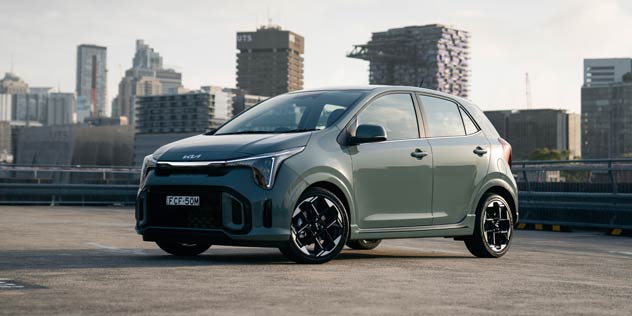
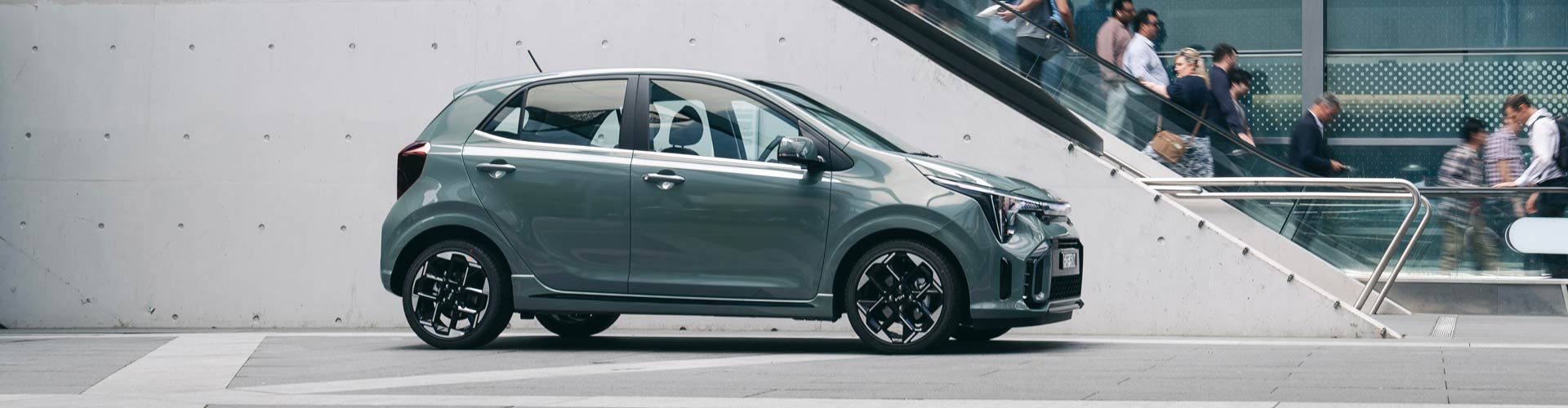
The Kia Picanto Sport is still the only new car in Australia priced under $20,000. Starting at $19,190, it has a 1.2-litre four-cylinder engine driving the front wheels, making it a straightforward and simple hatch. The automatic version now starts at $20,790, while the Picanto GT-Line auto is listed at $22,590. While it is compact, it comes with Kia’s unlimited-kilometre, seven-year warranty, which offsets its limited boot space and a relatively basic equipment list.
On paper it uses six litres of fuel per 100km, and in the AAA Real-World Testing Program (RWTP) it showed only slightly higher fuel use at 6.7L/100km. Compared to slightly larger hatches like the Suzuki Ignis or MG3, the Picanto feels pared-back and has no ANCAP safety rating, but is unmatched on price.
New cars under $25,000
Suzuki Ignis GL – starts at $21,490
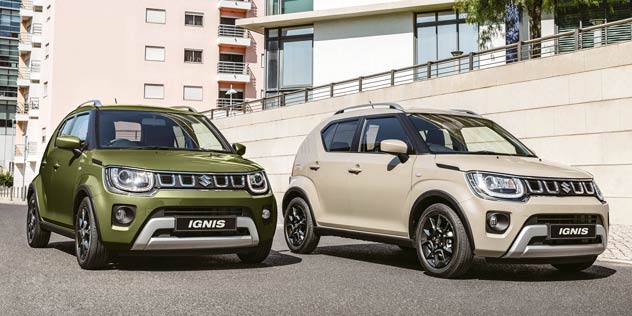
Suzuki’s quirky Ignis occupies the runabout middle ground between hatch and compact SUV. The 1.2-litre engine is less powerful than that in the MG3 and i30 but is frugal on fuel. It competes most closely with the Picanto, offering a bit more space but at a slightly higher price. Note, it also has no ANCAP rating, and its 2016 three-star European NCAP rating is now long expired. On paper it uses 4.7L/100km, but it’s worth noting Suzuki has not fared well in the RWTP ratings for other models, using up to 31 per cent more fuel than lab tests. The Ignis GL starts from $21,490, while the automatic GLX is $24,490.
MG MG3 Vibe – starts at $21,990
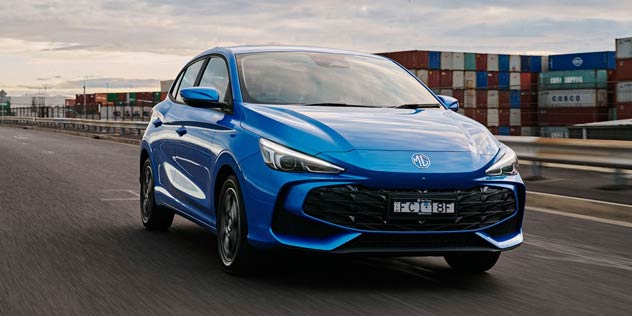
MG has carved out a space in the budget hatchback market. While the MG3 Core priced under $20,000 has now been discontinued, the 2025 MG3 Vibe remains decent value. It packs a 1.5-litre four-cylinder engine that puts out 81kW, and the Vibe undercuts the Hyundai i30 Active by more than $2000. Although this variant hasn’t been through the RWTP, the fuel consumption program shows the Excite, which claims the same 6.0L/100km, uses 10 per cent more in real world conditions. The MG3 Excite starts from $22,888, while the Essence is still under $25,000 at $24,990.
— Bridie Schmidt
Hyundai Venue – starts at $23,750
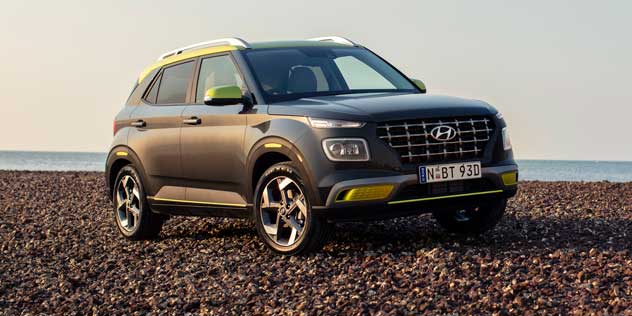
The Hyundai Venue now replaces the i30, which was previously available for $24,000 in its manual format, as the South Koren automaker’s cheap and cheerful offering. It is now one of the cheapest small SUVs on sale, undercutting the Chery Tiggo 4 and Mahindra XUV 3XO by a small margin.
It is a familiar nameplate from an established Korean brand, which will appeal to buyers who want a small high-riding car without heading too far into newer or less familiar brands. According to the Real World Testing Program, its fuel consumption is fairly close to claims, too: it uses 7.3L/100km in the real world tests compared to the 7.2/100km lab test. The Hyundai Venue is priced from $23,750 before on-roads, with the Active automatic at $28,000 and Elite automatic at $30,500.
BYD Atto 1 Essential – starts at $23,990
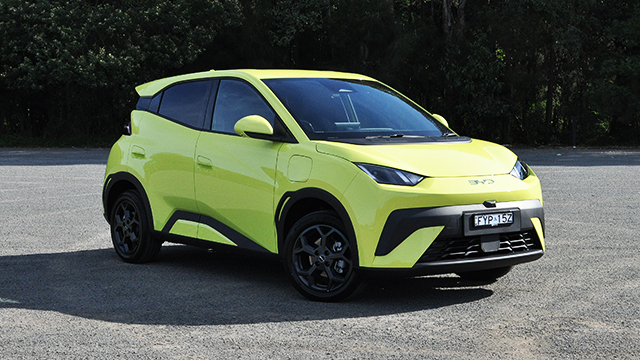
The BYD Atto 1 is the biggest change to the budget-car landscape, and is the little sibling of the BYD Atto 2 and BYD Atto 3. At $23,990 before on-road costs, the Essential is not just one of Australia’s cheapest new cars, it is also the cheapest electric car in Australia.
Being battery electric, it changes the value equation. Until recently, sub-$25,000 new cars were mostly petrol hatches and compact SUVs. The Atto 1 brings battery-electric motoring into the same price band, with the Premium (pictured above) listed at $27,990 for buyers wanting a step up in power and range. It has not been tested by the Real World Testing Program, but lab test claims put energy usage at 15.5kWh/100km.
Mahindra XUV 3XO AX5L – starts at $23,990
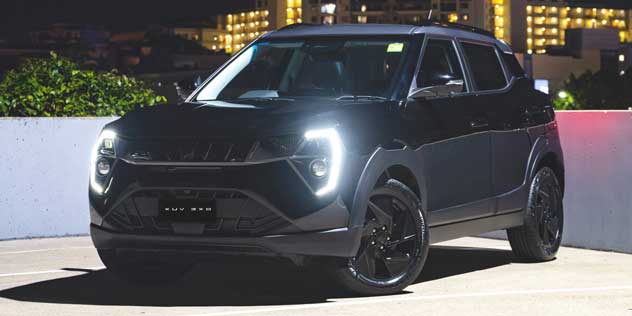
The Mahindra XUV 3XO is another small SUV sneaking in under $25,000. It is priced from $23,990 bfore on-roads for the petrol AX5L, with the AX7L from $26,990.
For buyers willing to look beyond established Japanese and Korean brands, this Indian upstart adds another option in a price band that has thinned out over recent years. The unknowns are likely to be brand familiarity and dealer access, but on price alone it is now right in the mix. It has not been tested by the Real World Testing program either, but Mahindra says it uses 6.5l/100km.
Chery Tiggo 4 Urban – starts at $23,990
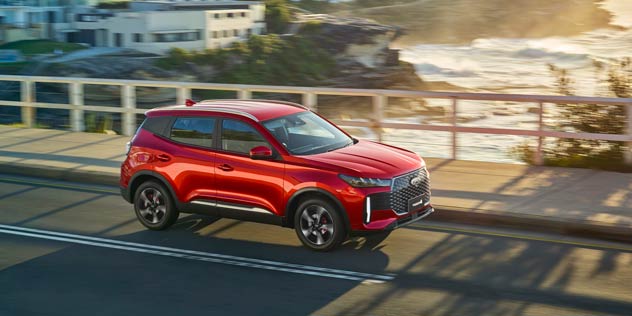
The compact Tiggo 4 Urban is the cheapest SUV on sale, and the only one priced below $25,000. Its 1.5-litre turbo four should give it more grunt than rivals such as the Kia Stonic S or Hyundai Venue Active. On paper it uses 4.7L/100km (it hasn’t been through the RWTP). While Chery is still building its reputation in Australia, the Tiggo 4 Pro’s five-star ANCAP rating, sharp pricing and equipment levels make it a strong contender for those prioritising value.
Suzuki Swift Hybrid – Starts at $24,490
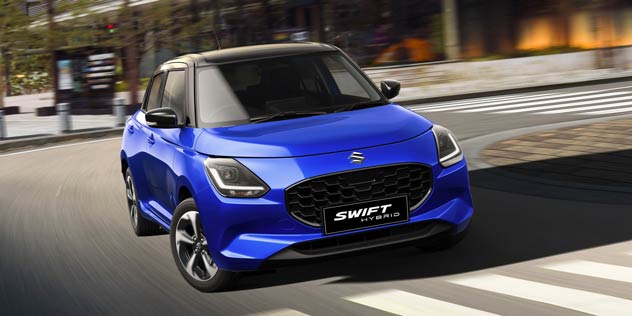
The Suzuki Swift hybrid uses a 1.2-litre three-cylinder with mild-hybrid assistance. Dubbed “Australia’s best value hybrid” by the brand, it is one of the few electrified options at this price point. It does, however, get a bad rap on the RWTP, using 31 per cent more fuel in real world conditions and taking its claimed range from 4.0L/100km to 5.2L. A three-star ANCAP rating also lets it down compared to rivals like the Tiggo 4 Pro and if you want an automatic gearbox that’ll be an extra $1000. The cheapest Swift Hybrid remains $24,490, but if you want an automatic gearbox, the step up is now larger than before. The Swift Hybrid Plus automatic is listed at $28,490, while the Hybrid GLX automatic is $29,490.
What is the most affordable hybrid car?
The cheapest hybrid on sale is the aforementioned Suzuki Swift hybrid at $24,490. Its mild-hybrid system supports the 1.2-litre engine to lower fuel consumption, though performance is modest (61kW/112Nm). For a full hybrid option, the MG3 Hybrid Excite at $26,990 offers more power (81kW/142Nm) and electric assistance. Both undercut Toyota’s Yaris Hybrid, which starts at $28,500. These prices show that hybrids are gradually becoming more accessible, though still costlier than basic petrol models.
What is the cheapest electric car?
The cheapest electric car is currently the BYD Atto 1 Essential at $23,990. That puts it in the same price territory as Australia’s cheapest petrol SUVs, and below the cheapest hybrid. The Atto 1 Premium is listed at $27,990, which still keeps it under the $30,000 mark before on-road costs.
The verdict
Australia’s cheapest new cars still start with the Kia Picanto Sport, now the only vehicle below the $20k threshold. Between $20,000 and $30,000, choice widens to include budget hatches and some small SUVs, and, for the first time at this end of the market, a fully electric car.
For buyers willing to look beyond established Japanese and Korean brands, models such as the Chery Tiggo 4, MG3 and Mahindra XUV 3XO offer sharp pricing with decent safety. Those prioritising familiarity and dealer networks will find the Kia Picanto, Hyundai Venue and Suzuki Swift remain steady options. Lastly, beware fuel consumption claims – look beyond the official lab tests to make sure you don't get hit hard at the bowser.