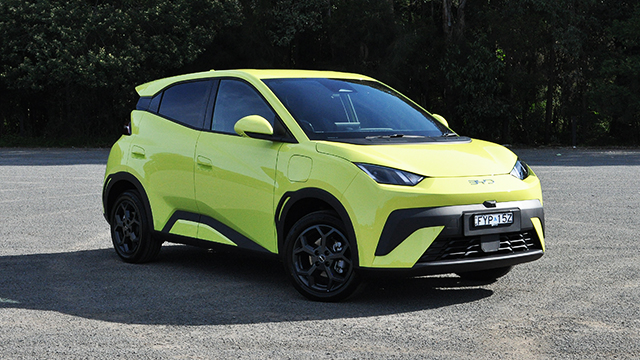
2026 BYD Atto 2 DM-i review

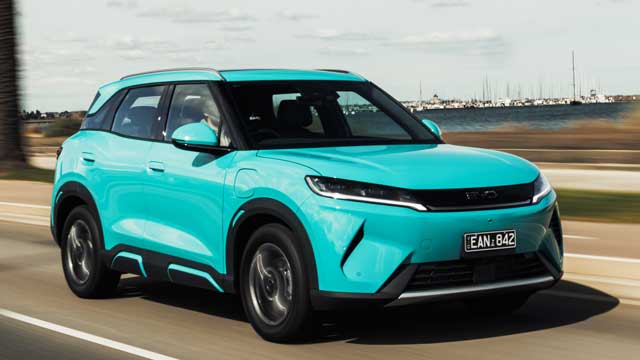
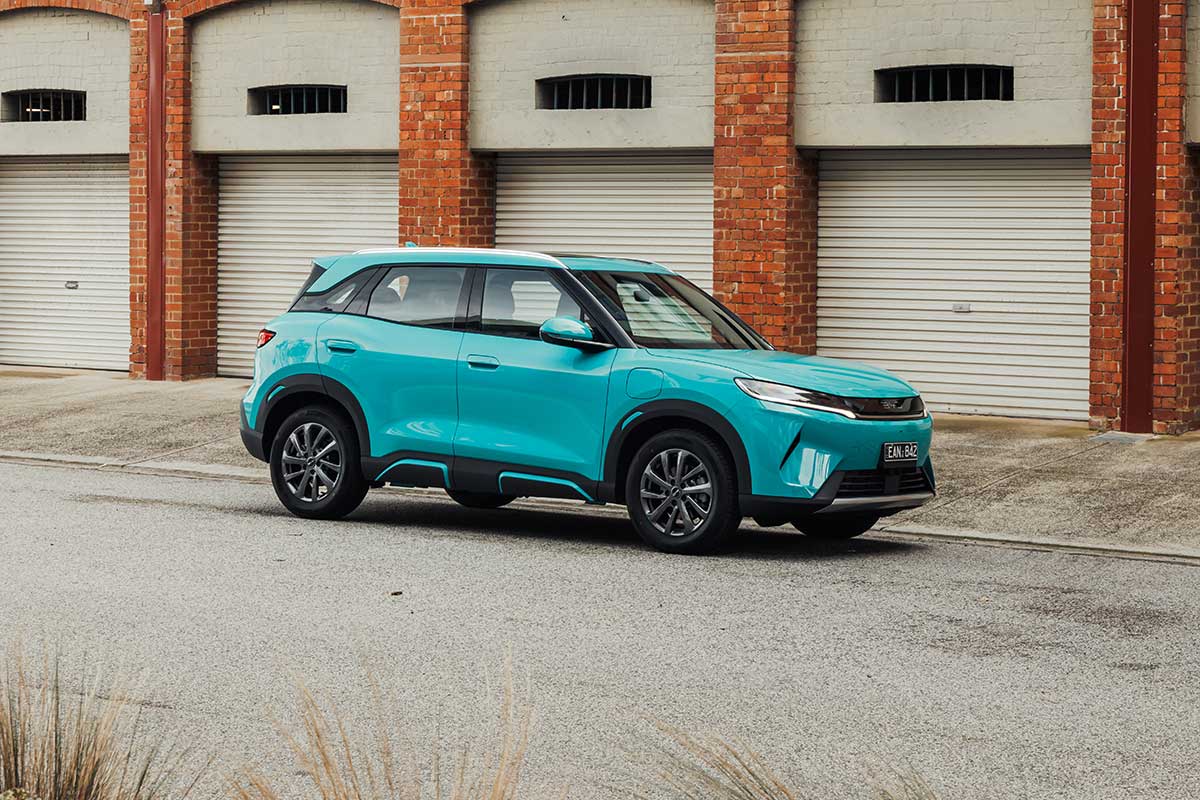
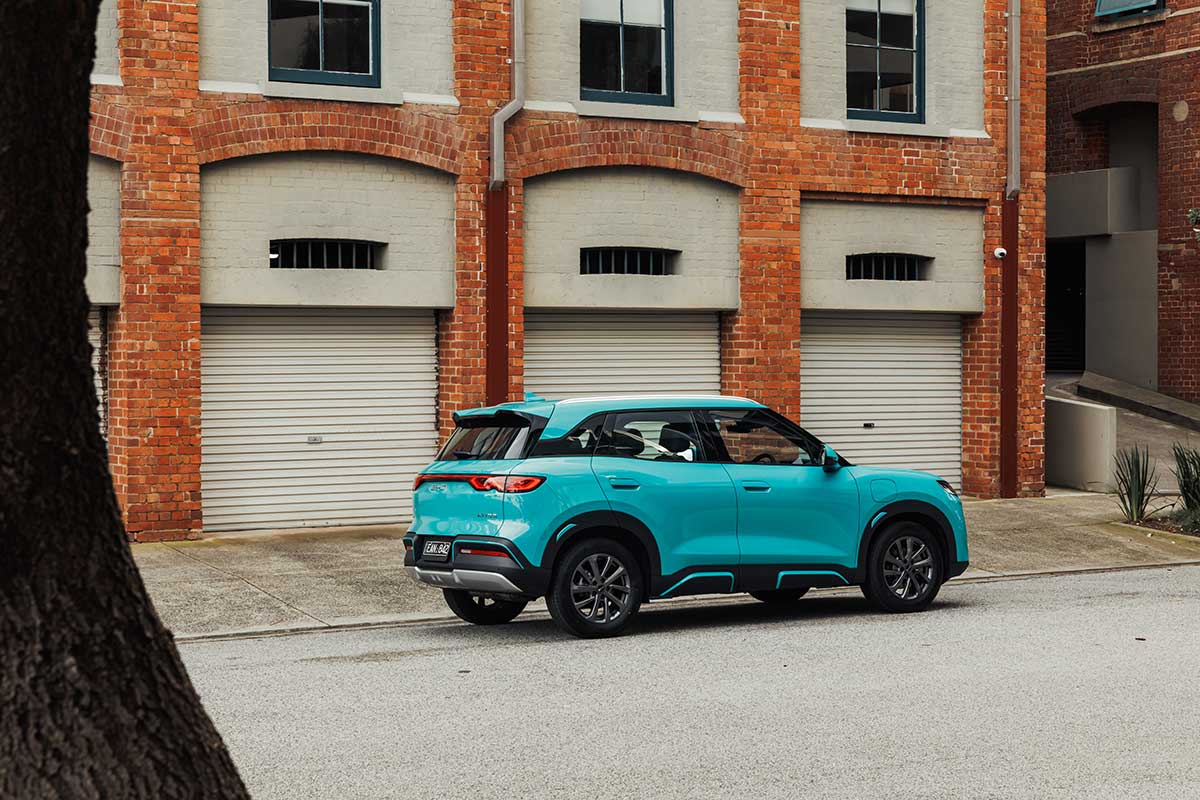
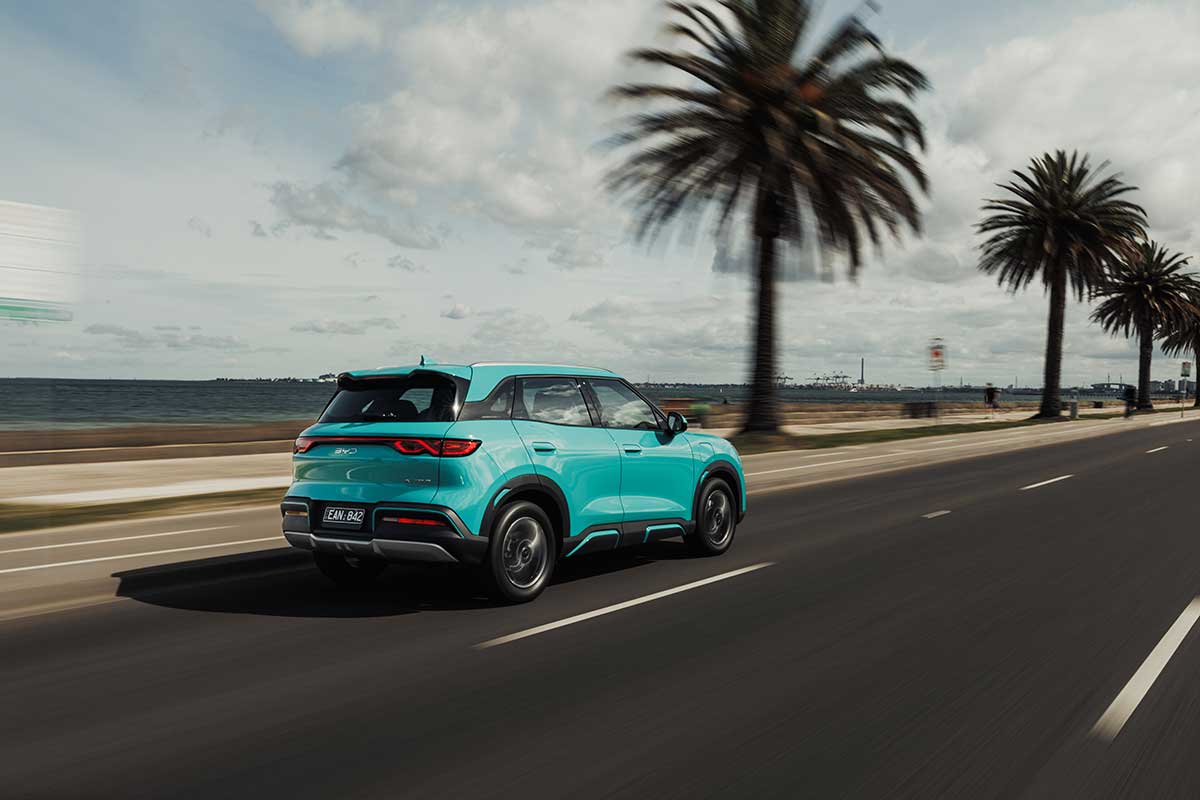
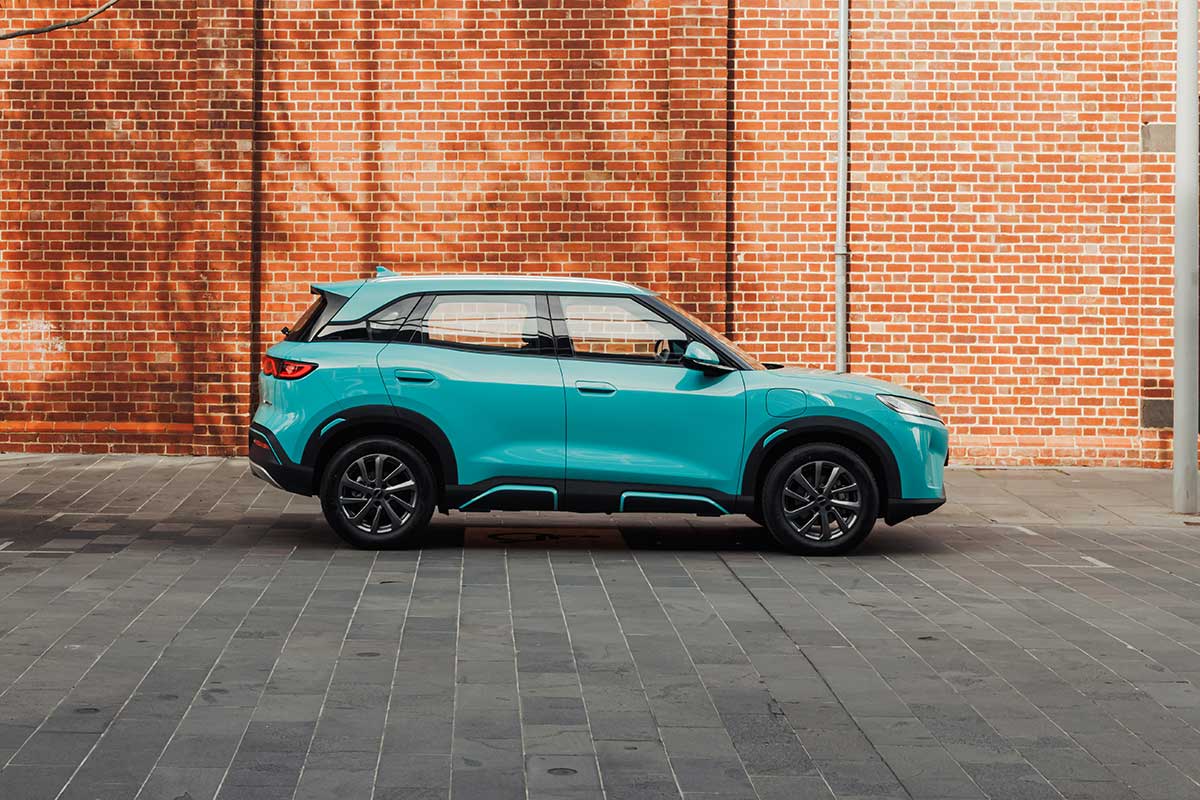
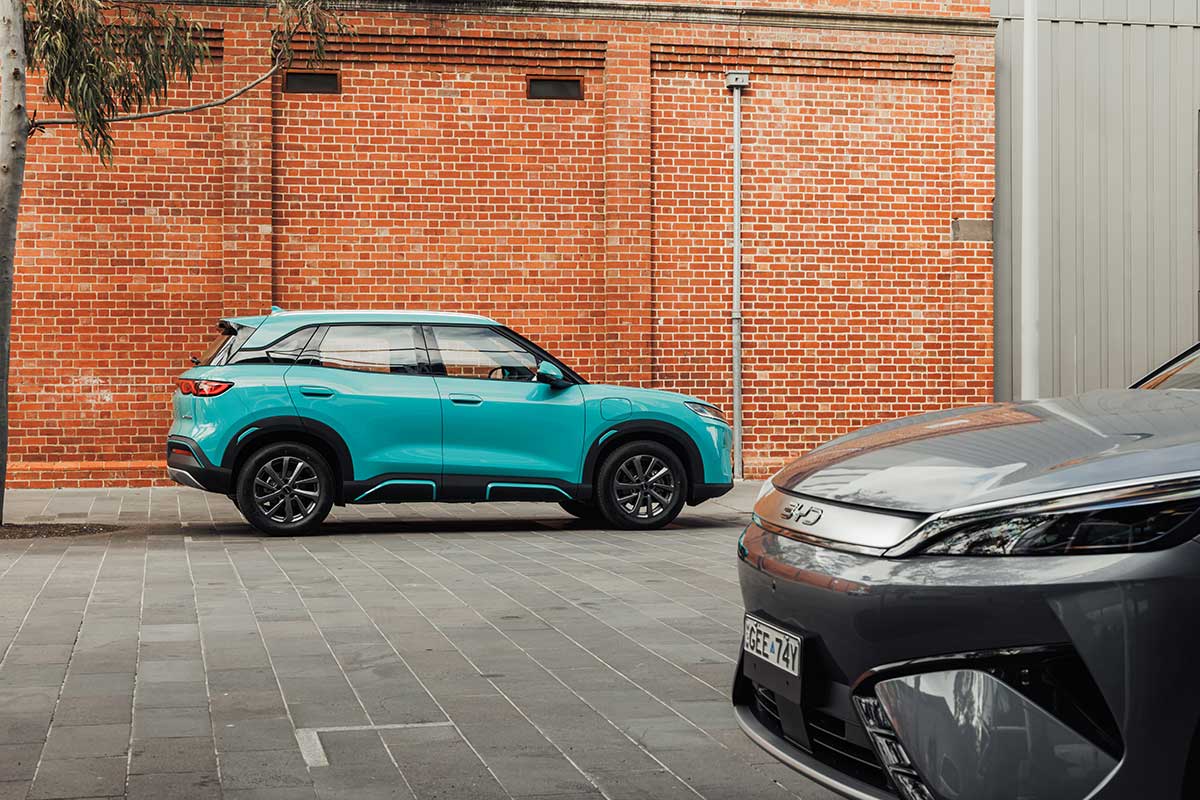
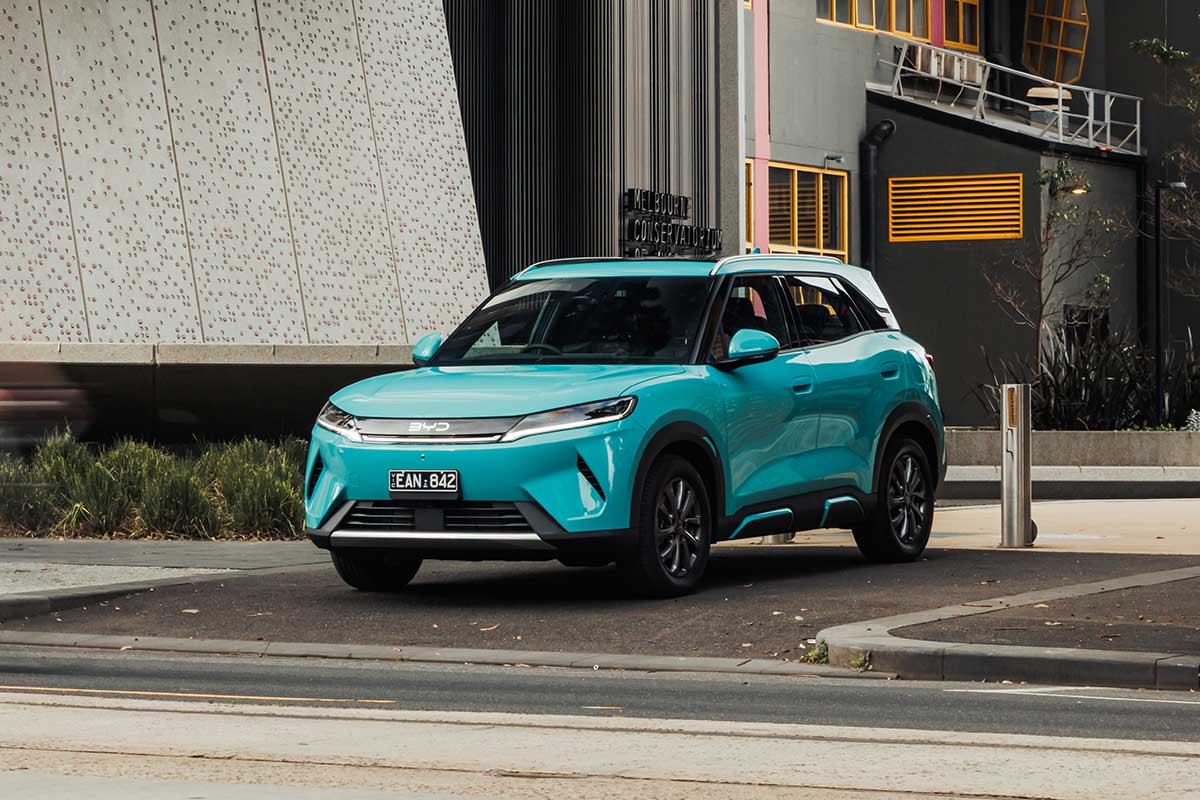
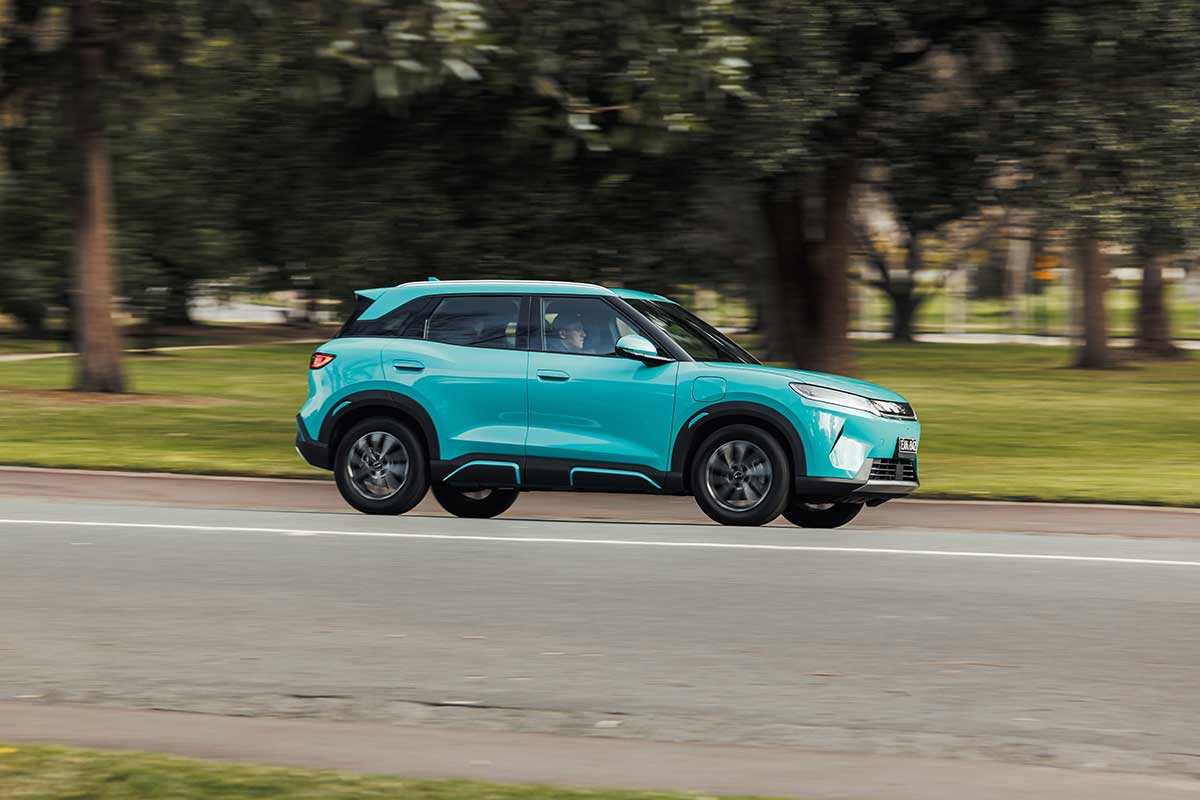
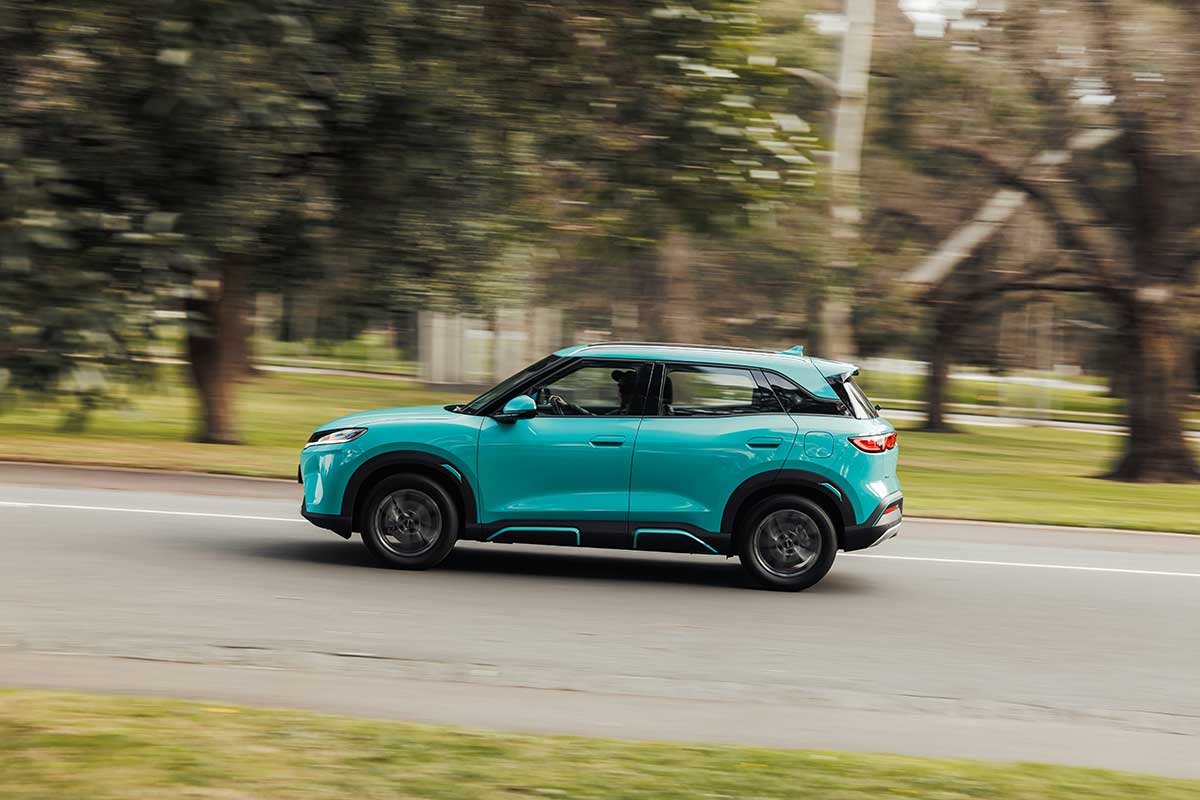
BYD has wasted little time broadening the appeal of its smallest SUV, adding two plug-in hybrid variants to the Atto 2 range only months after the fully electric version arrived.
The new Atto 2 DM-i also lands with a compelling headline: at $24,990 before on-road costs, it is now Australia’s cheapest PHEV, with the better equipped Premium still sneaking in under $30,000.
On paper, the choice looks simple enough, particularly for buyers who like the idea of electric driving but still want petrol backup for longer trips. In practice, though, the differences between the two DM-i variants, and the way they need to be charged, make the decision a little more nuanced.
Our drive from Sydney towards Wisemans Ferry showed just how electric the Premium can feel in everyday use, but it also raised a more interesting question: if you already have reliable access to charging, does the plug-in hybrid still make the most sense when the fully electric Atto 2 sits so close above it on price?
How much does the 2026 BYD Atto 2 DM-i cost?
There are two Atto 2 DM-i variants in Australia, with the Essential priced from $24,990 before on-road costs and the Premium from $29,990. The fully electric range then starts with the Atto 2 Dynamic at $31,990, followed by the electric Premium at $35,990.
At first glance, that makes the Essential particularly tempting. It is a genuinely inexpensive entry point into plug-in hybrid ownership, while the Premium still manages to come in comfortably below $30,000.
The wider Atto 2 range complicates the value equation, however. The all-electruc Dynamic starts at $31,990, with the all-electric Premium variant priced at $35,990, meaning there is only $2000 between the DM-i Premium and the cheapest all-electric Atto 2.
Whether that relatively small step makes sense depends very much on how and where you charge, something we'll come back to when looking at the drivetrain and the overall proposition.
What is the 2026 BYD Atto 2 DM-i like inside?
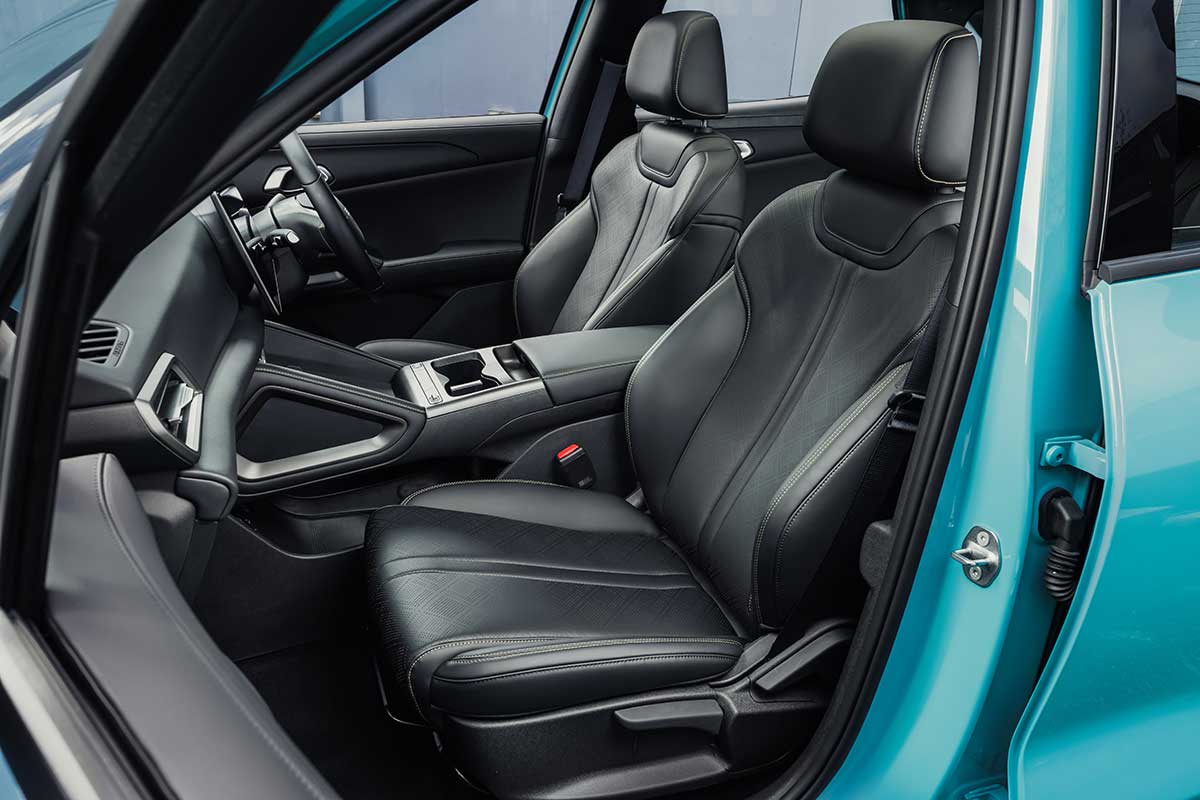
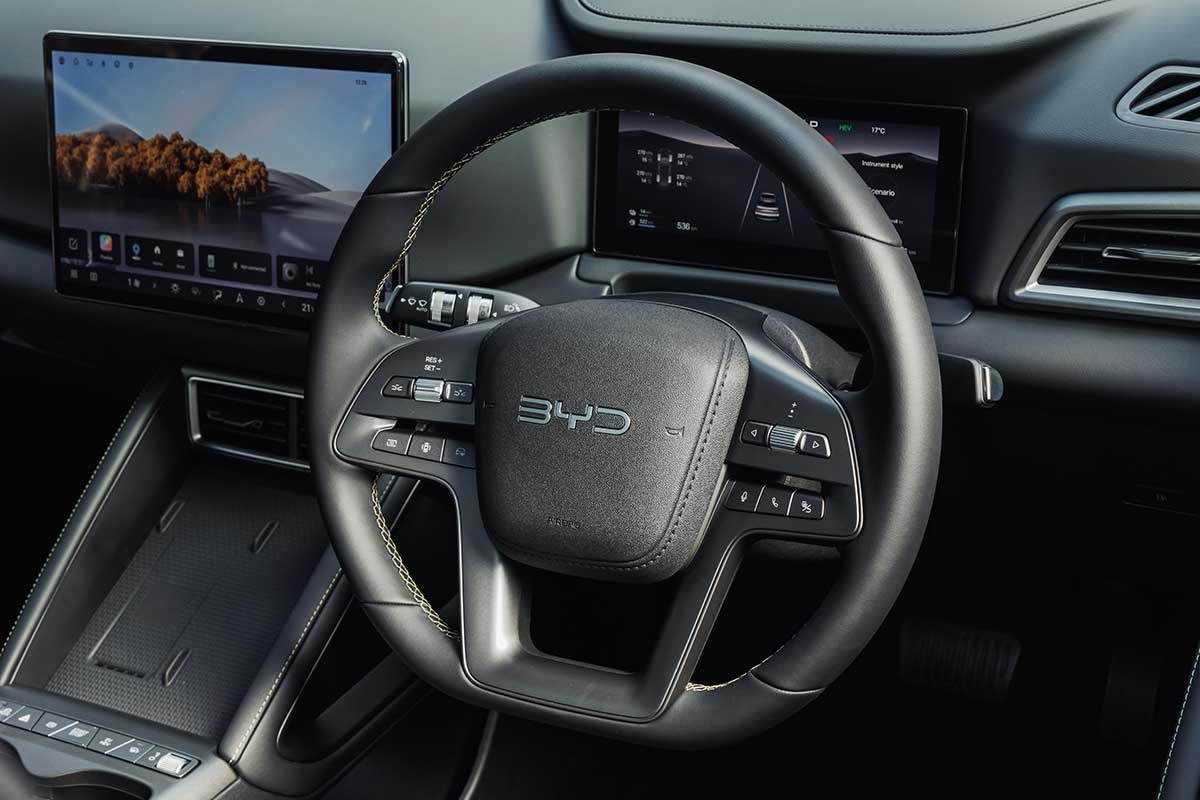
The Atto 2 may sit below the Atto 3 in BYD’s SUV line-up, but you would be forgiven for forgetting that from the front seats. There is a surprising amount of room around the driver and front passenger, helped by the open sections built into the centre console, which add to the sense of space.
There is useful storage underneath, although the USB ports are tucked into this lower section and remain awkward to access, particularly once you have put something in the tray.
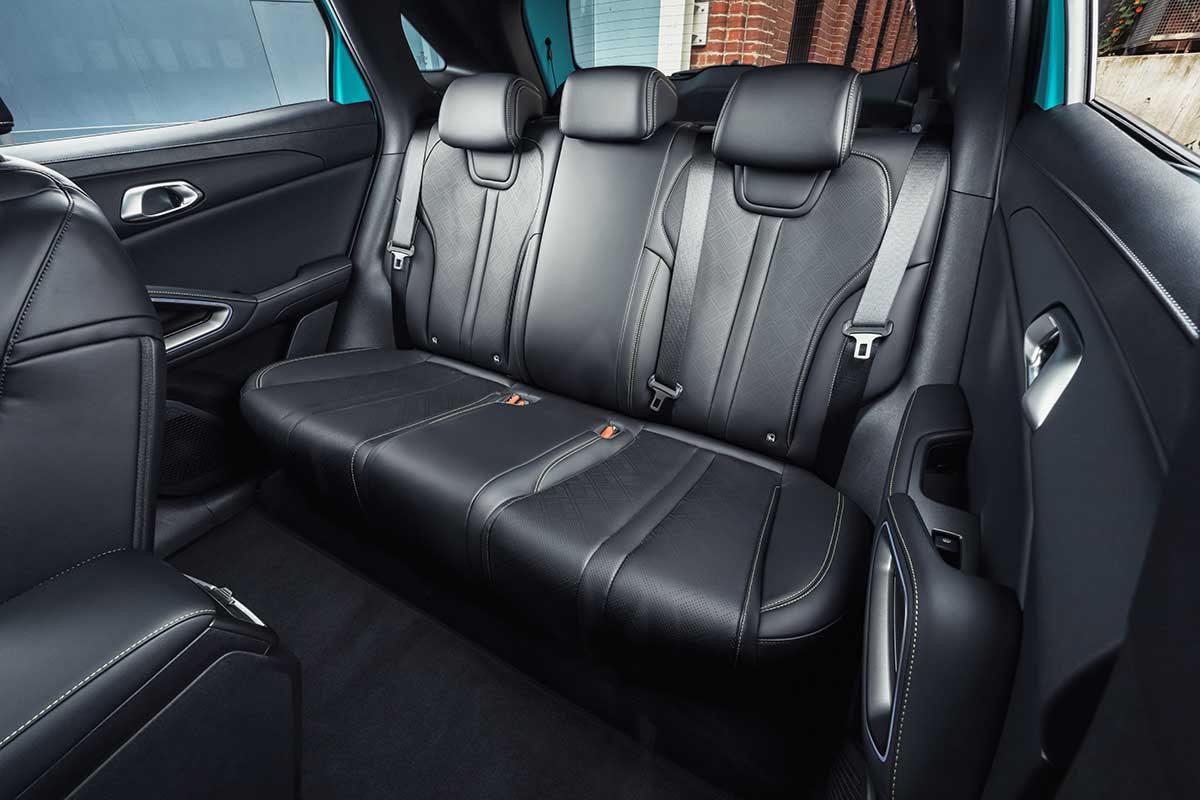
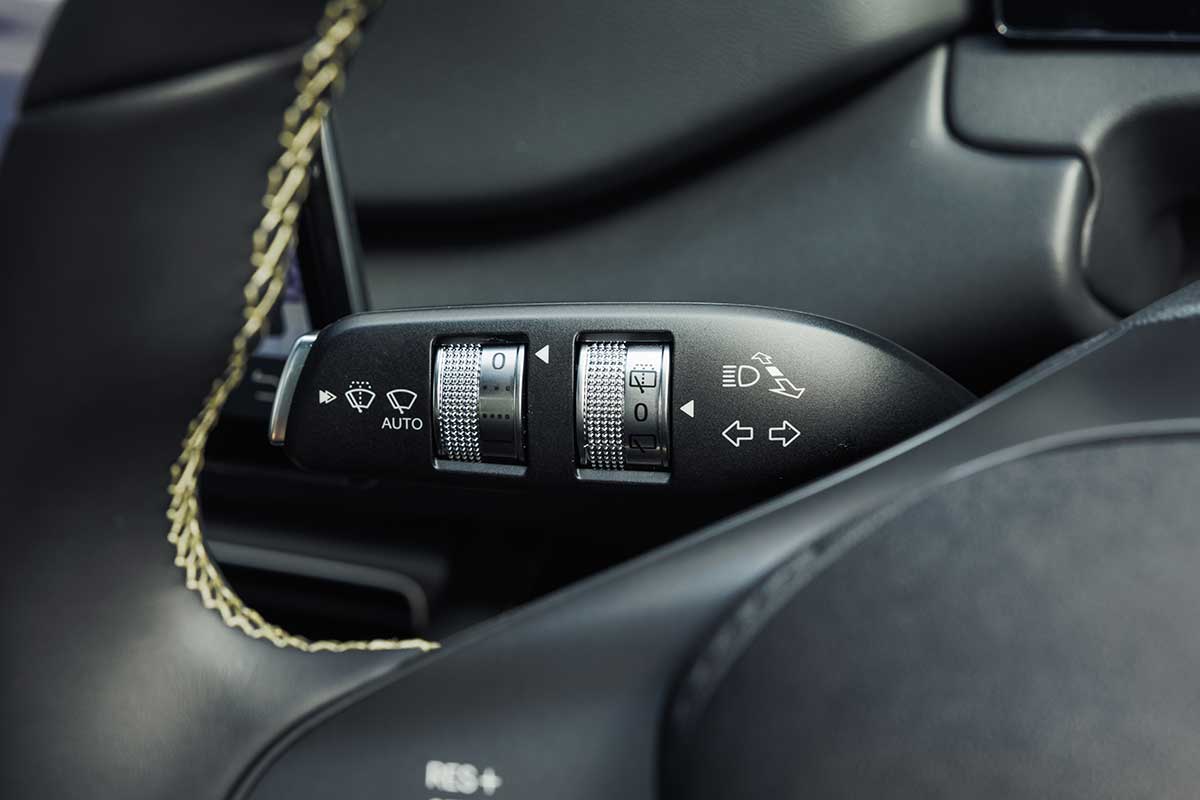
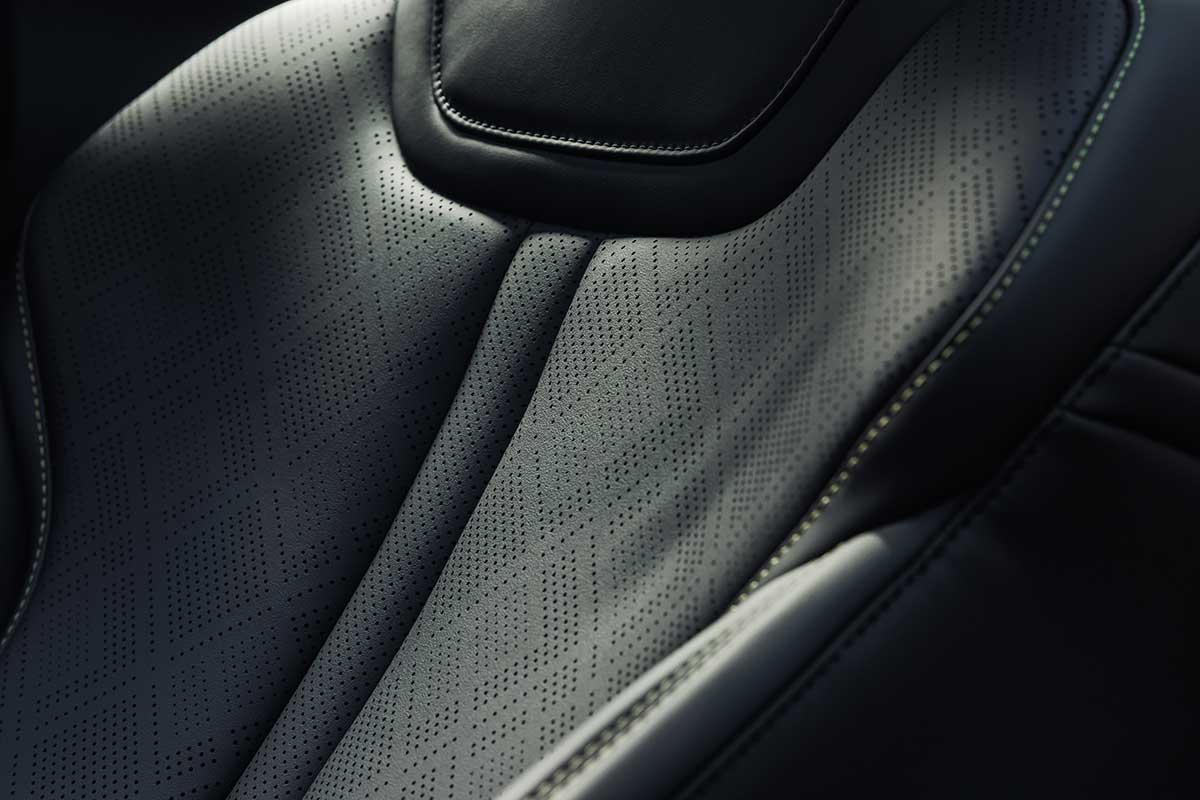
The cabin itself is more restrained than some earlier BYDs, favouring clean shapes and fairly conventional materials over novelty, but it feels solidly put together and better finished than its price might suggest. The seats are comfortable, the squared-off steering wheel brings a contemporary touch, and the substantial open-style door handles are a small but thoughtful detail that adds some personality without making the interior feel busy.
It is only once you move into the back that the Atto 2’s smaller footprint becomes more obvious. Headroom is reasonable, but leg room is noticeably tighter behind taller front occupants, making the second row better suited to children or smaller adults on longer trips.
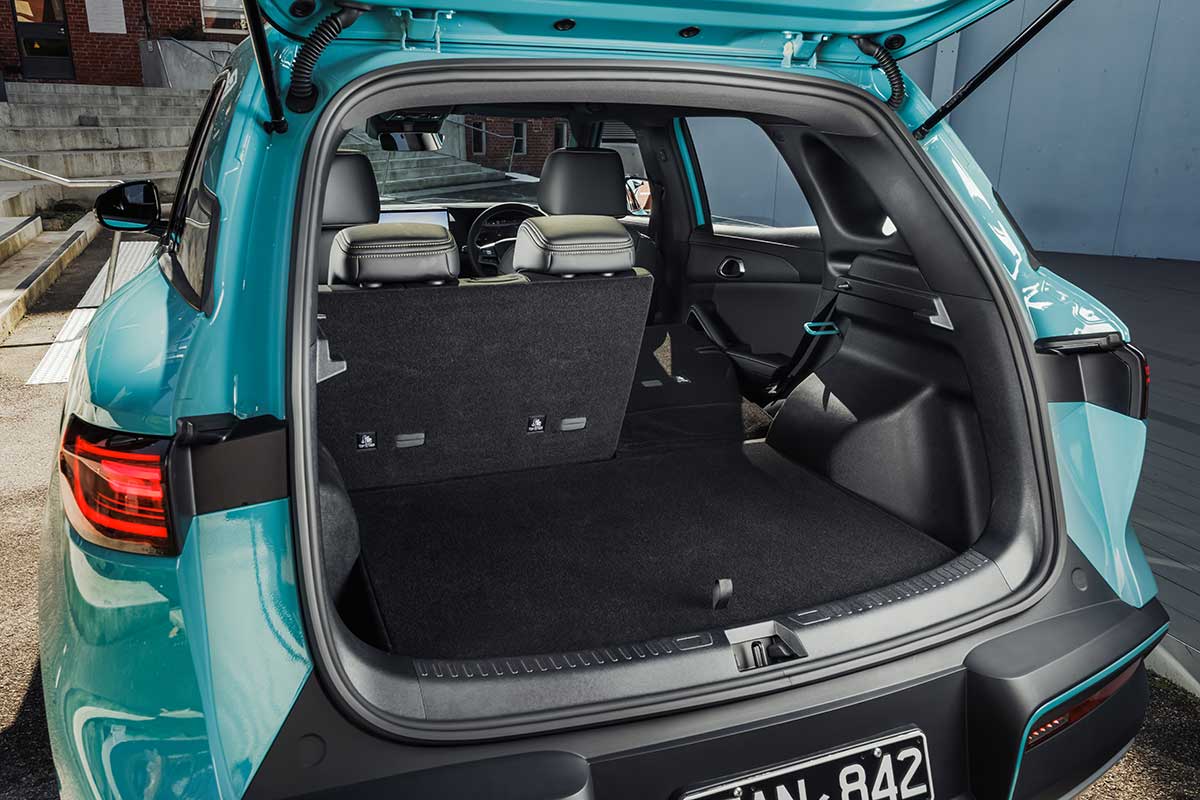
Boot space is a useful 425 litres with the rear seats upright, expanding to 1335 litres with them folded, which is respectable for a small SUV.
What equipment does the 2026 BYD Atto 2 DM-i come with?
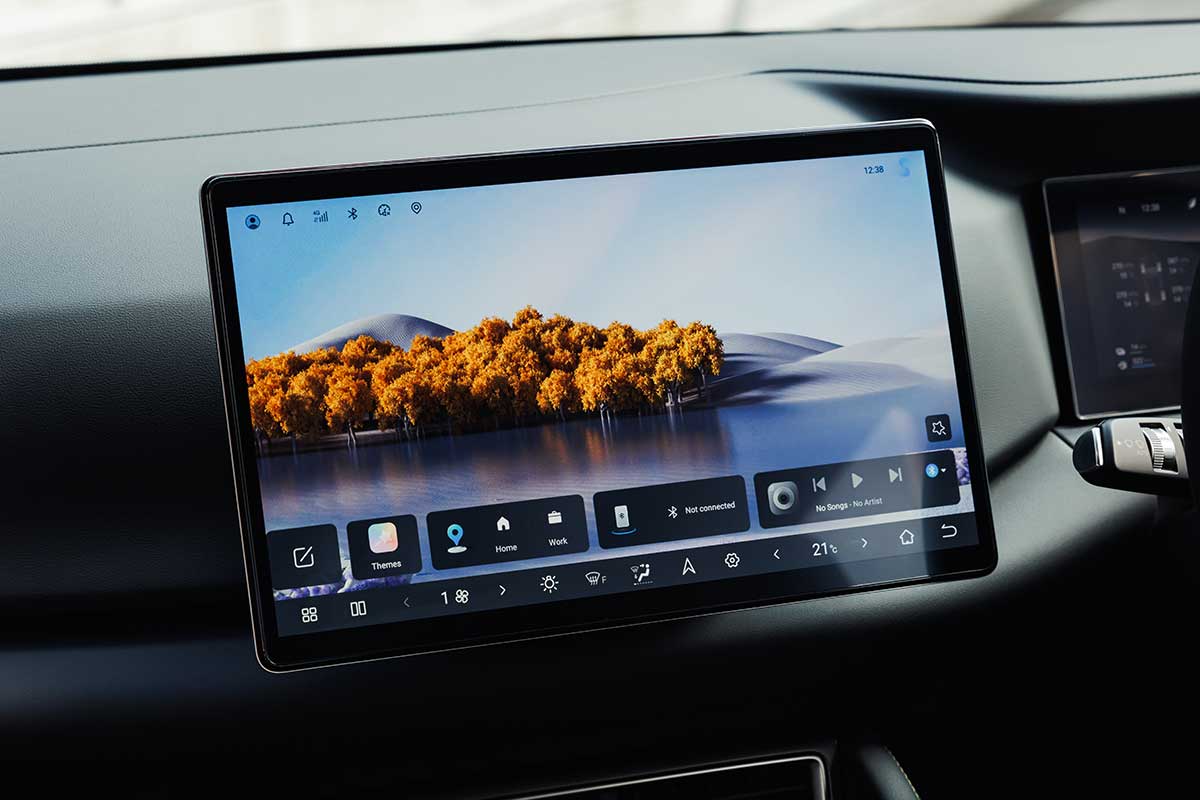
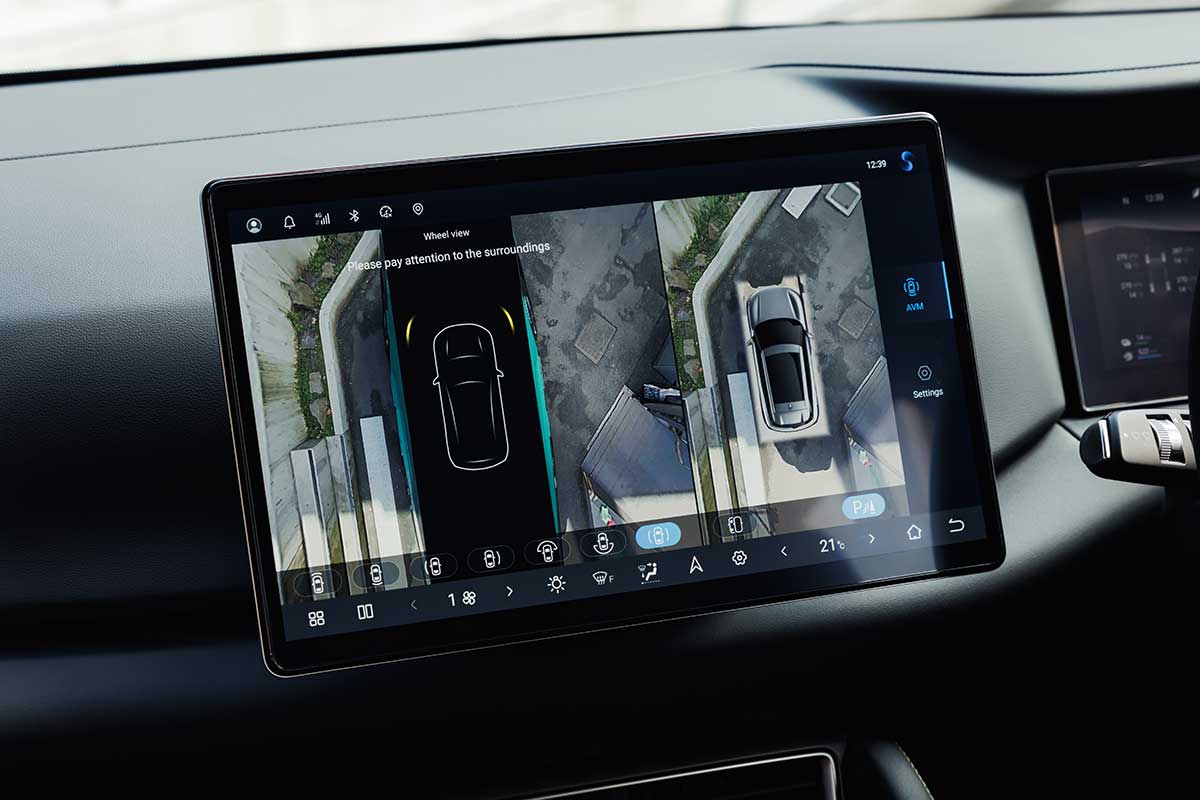
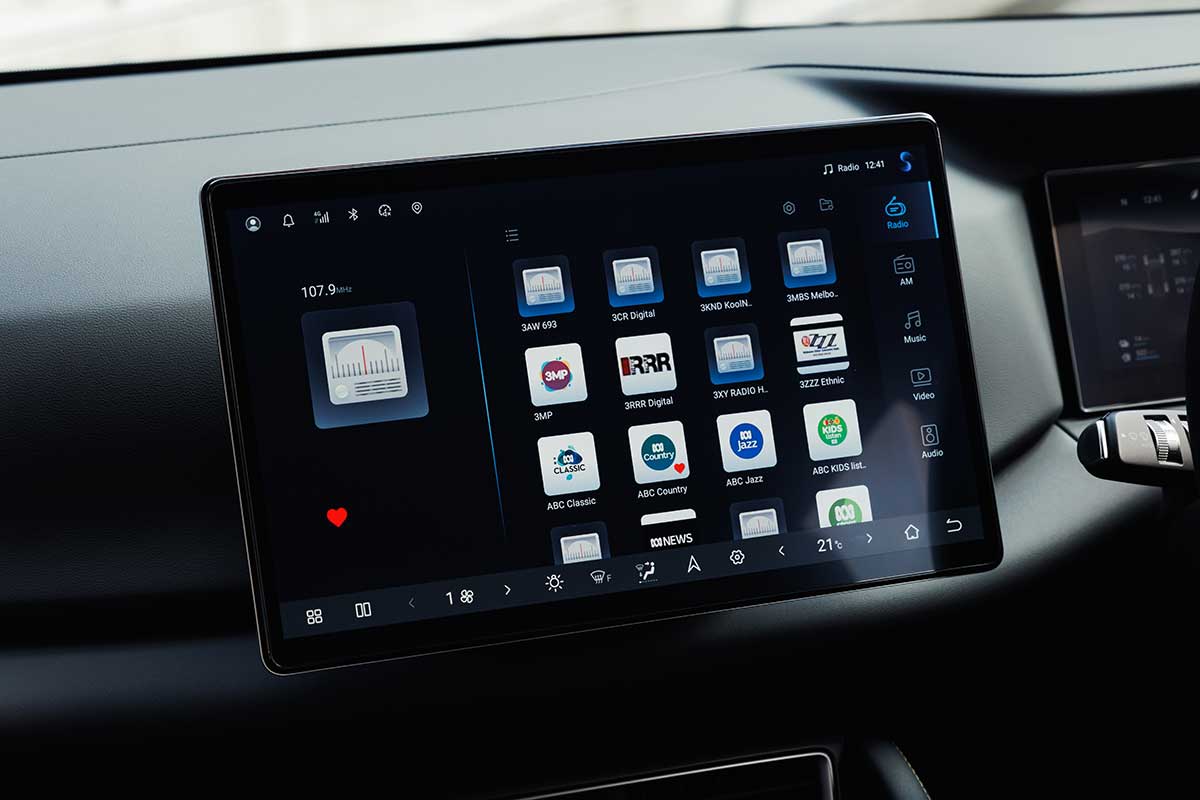
The Atto 2 DM-i Essential gets a 10.1-inch central touchscreen, while the Premium steps up to a larger 12.8-inch display. Both also use an 8.8-inch digital instrument screen and support wired and wireless Apple CarPlay and Android Auto, with USB-A and USB-C ports provided for both front and rear passengers.
Moving to the Premium adds synthetic leather upholstery, a six-way electrically adjustable driver’s seat, heated front seats, ambient lighting, a six-speaker sound system and a 50W wireless phone charger.
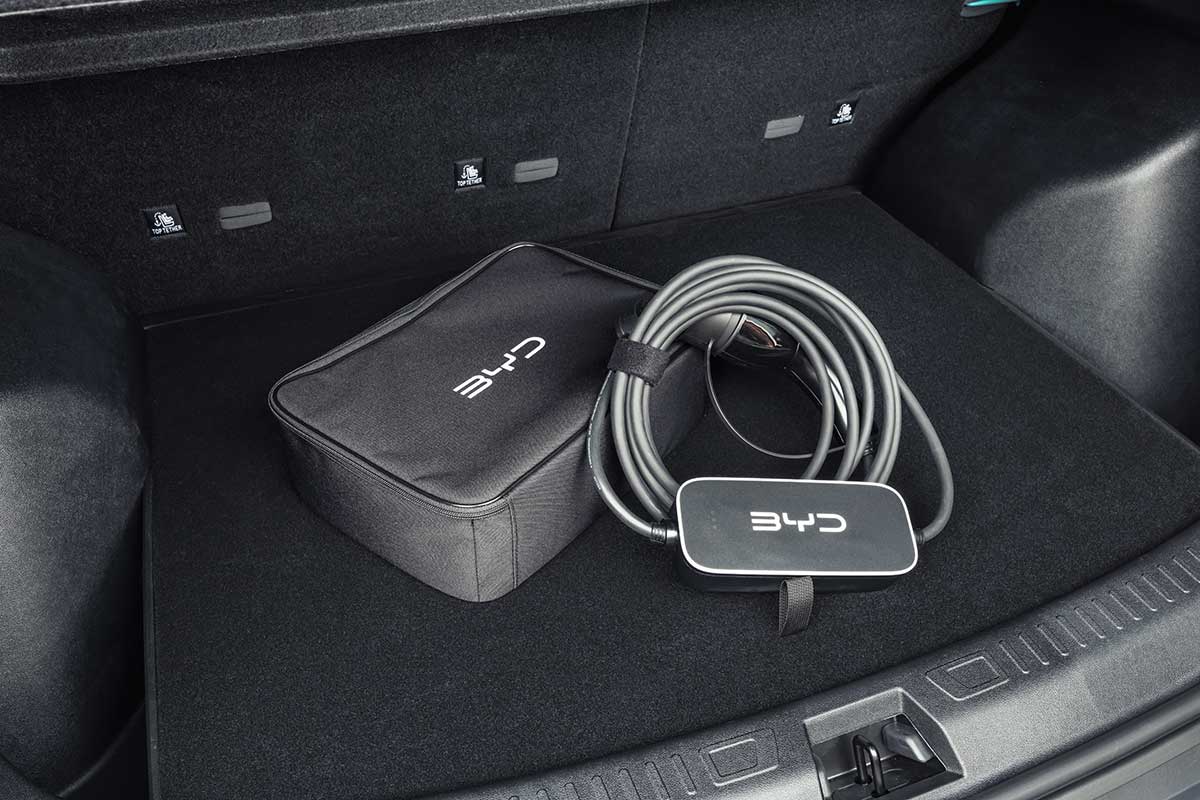
There are some genuinely useful additions, too. The Premium gets 3kW vehicle-to-load (V2L) capability, allowing the battery to power external appliances, and BYD also includes a portable charging cable rather than leaving buyers to source one separately.
That makes one omission stand out even more: there is no powered tailgate, even on the Premium. It is an odd gap in a specification that otherwise finds room for heated seats, a panoramic sunroof, wireless charging and V2L.
How safe is the 2026 BYD Atto 2 DM-i?
Standard safety equipment is extensive across the Atto 2 range, with autonomous emergency braking, adaptive cruise control, blind-spot detection, forward and rear collision warning, lane departure assistance and a 360-degree camera among the advanced driver assistance systems (ADAS) fitted.
Passive safety equipment includes front and side airbags for the driver and front passenger, curtain airbags covering both rows, ISOFIX child-seat mounts and top-tether points across all three rear positions.
BYD also says high-strength and ultra-high-strength steels account for a substantial proportion of the body structure, with reinforced sections around the A- and B-pillars and door areas designed to help manage impact forces.
— Bridie Schmidt
What powers the 2026 BYD Atto 2 DM-i?
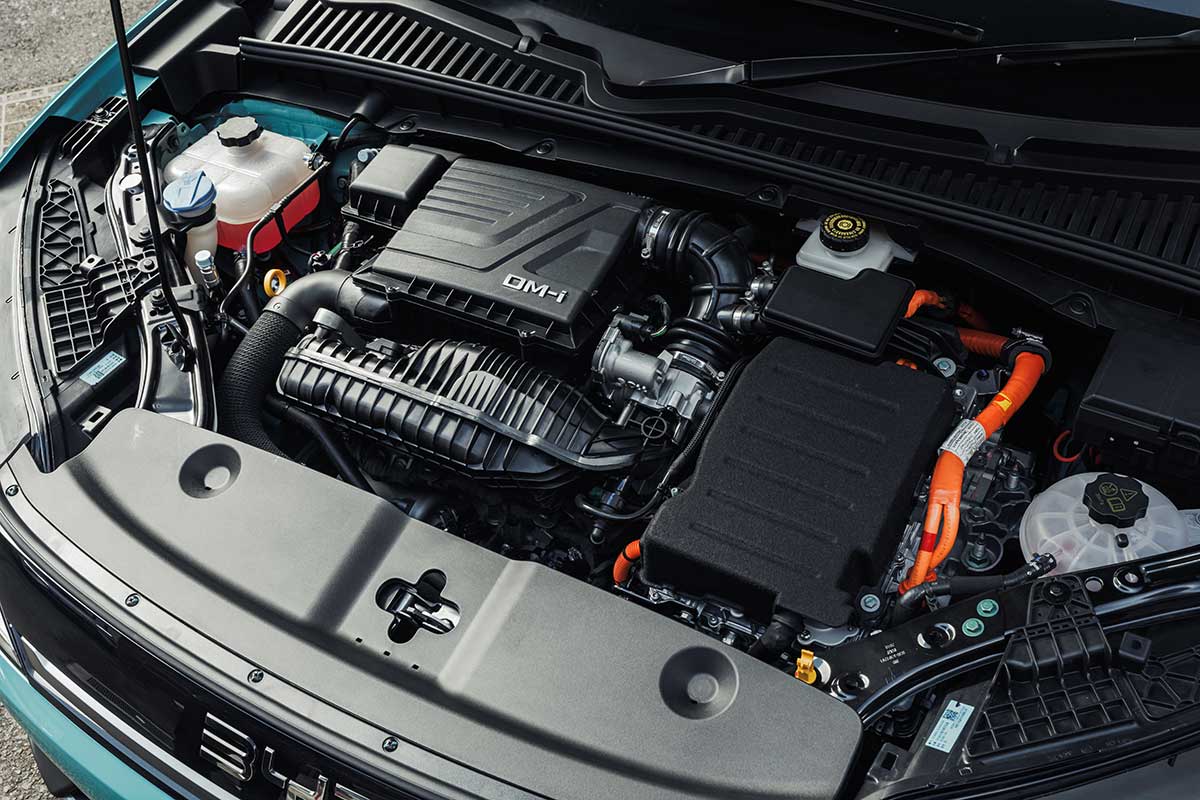
Both Atto 2 DM-i variants pair a 72kW 1.5-litre petrol engine with an electric motor driving the front wheels, but there is a substantial difference in overall output and, more importantly, battery capacity.
The Essential produces 122kW and 300Nm, while the Premium lifts combined output to 156kW with the same 300Nm of torque.
The Essential’s 7.85kWh Blade battery provides just 39km of WLTP electric range, which is enough to cover something close to a typical daily commute but leaves little room for detours or extra trips. For owners wanting to make full use of the plug-in side of the drivetrain, charging would therefore need to become an almost daily habit.
The Premium’s larger 18.03kWh battery more than doubles electric range to 90km, while combined WLTP range rises from 845km in the Essential to 895km in the Premium.
The hybrid system can operate in several ways. At lower speeds it can run purely on battery power, while in series-hybrid mode the petrol engine acts as a generator and the electric motor continues to drive the wheels. At higher speeds, the engine can also contribute directly to propulsion.
Both versions are limited to 3.3kW AC charging, with no DC fast-charging capability. BYD quotes 15 to 100 per cent charging times of 2.7 hours for the Essential and 6.1 hours for the Premium.
The lack of DC charging is less of a drawback than it might sound, given both batteries are small compared with a full EV. The bigger limitation is the modest AC charge rate, particularly in the Premium, where getting the most from that 90km electric range means plugging in regularly. In practice, both versions make the most sense for owners with reliable home charging, where they can be topped up overnight and used predominantly on electricity rather than falling back on petrol.
What is the 2026 BYD Atto 2 DM-i like to drive?
For all the extra hardware underneath, the most striking thing about the Atto 2 DM-i is how little the driving experience changes compared with the fully electric model.
The handling remains composed and tidy through corners, while the steering is light enough to make sense around town without becoming overly vague. It is not a particularly sporty small SUV, but the added petrol drivetrain doesn’t make it feel noticeably heavy or cumbersome.
Switching from Comfort to Sport mode adds a little extra responsiveness, rather than dramatically changing the personality of the car, while regenerative braking remains very subtle. There are two levels available, although neither produces the strong deceleration more experienced EV drivers might expect.
Open Road’s take on the 2026 BYD Atto 2 DM-i
Taken on its own, the Atto 2 DM-i is a likeable small SUV. It is comfortable, easy to drive and usefully roomy up front, with a cabin that feels larger than its compact exterior dimensions initially suggest.
Between the two plug-in hybrids, the Premium is the easier one to recommend. Its 90km WLTP electric range gives owners enough battery capacity to complete most ordinary days without calling on the petrol engine, while the extra power and stronger equipment list make the $5000 jump from the Essential easier to justify.
The bigger question, however, is whether the plug-in hybrid is the sweet spot in the wider Atto 2 range at all.
A PHEV only delivers its main advantage if it is charged regularly, and in the Atto 2 that means relying entirely on AC charging. With public AC chargers less convenient for quick top-ups than DC infrastructure, the BYD Atto 2 PHEV makes the most sense for buyers with reliable access to a driveway or garage where it can be plugged in overnight.
Without that regular charging, you are effectively using the Atto 2 as a conventional hybrid while carrying around a battery and plug-in hardware that are not being fully utilised.
And if you already have convenient home charging, the numbers become difficult to ignore. The fully electric Atto 2 Dynamic costs $31,990, just $2000 more than the DM-i Premium, and adds DC fast charging for longer trips.
That does not make the DM-i Premium redundant. For buyers who want to complete most local driving on electricity but still prefer petrol backup for longer journeys, it remains an appealing and impressively affordable proposition.
But if you have somewhere to plug in every night, the question is no longer simply whether you should choose the Premium over the Essential. It is whether spending another $2000 and going fully electric makes more sense.
What we like
- Premium’s useful 90km WLTP electric range
- Roomy, well-finished cabin for its size
- Composed handling and easy-going road manners
What could be better
- Slow 3.3kW AC-only charging
- Essential’s 39km EV range is quite limited
- No powered tailgate, even on Premium