2026 BYD Atto 3 Evo review

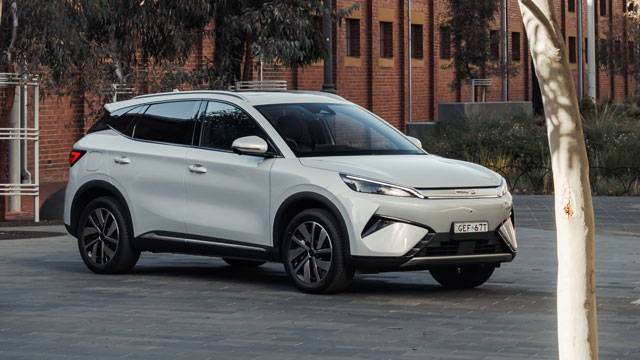
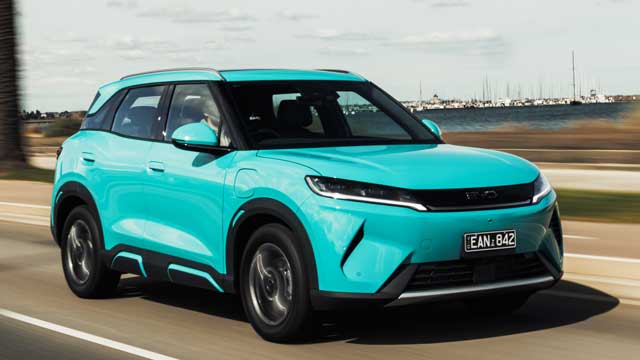
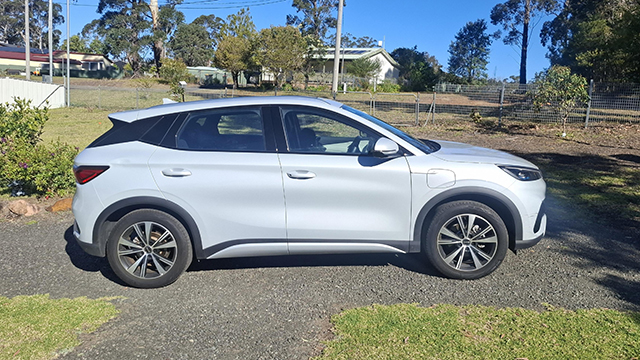
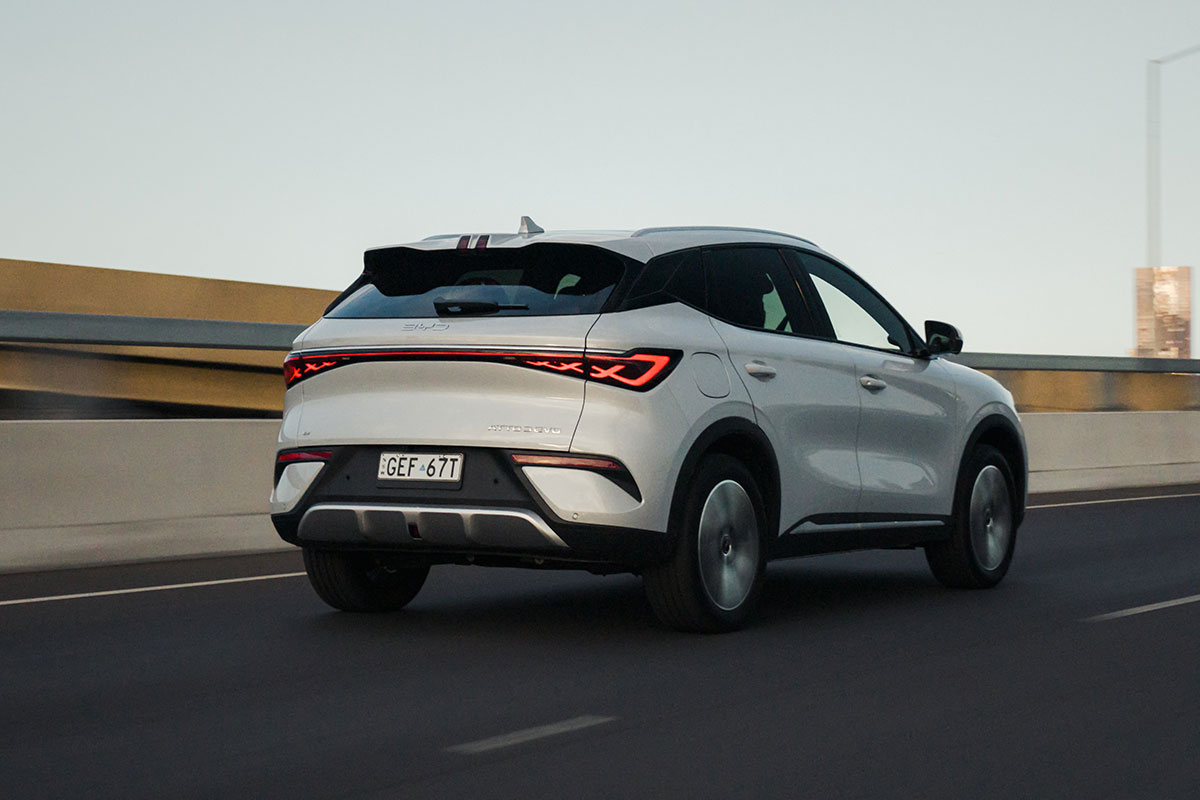
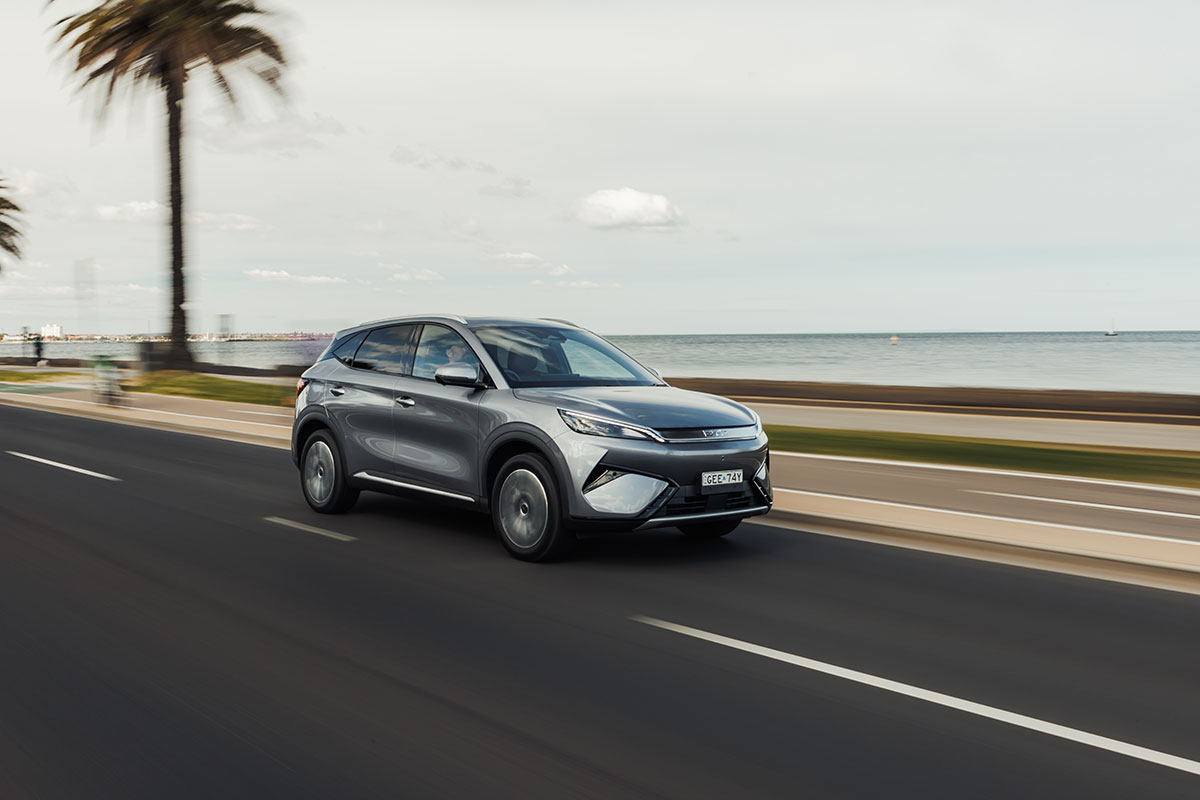
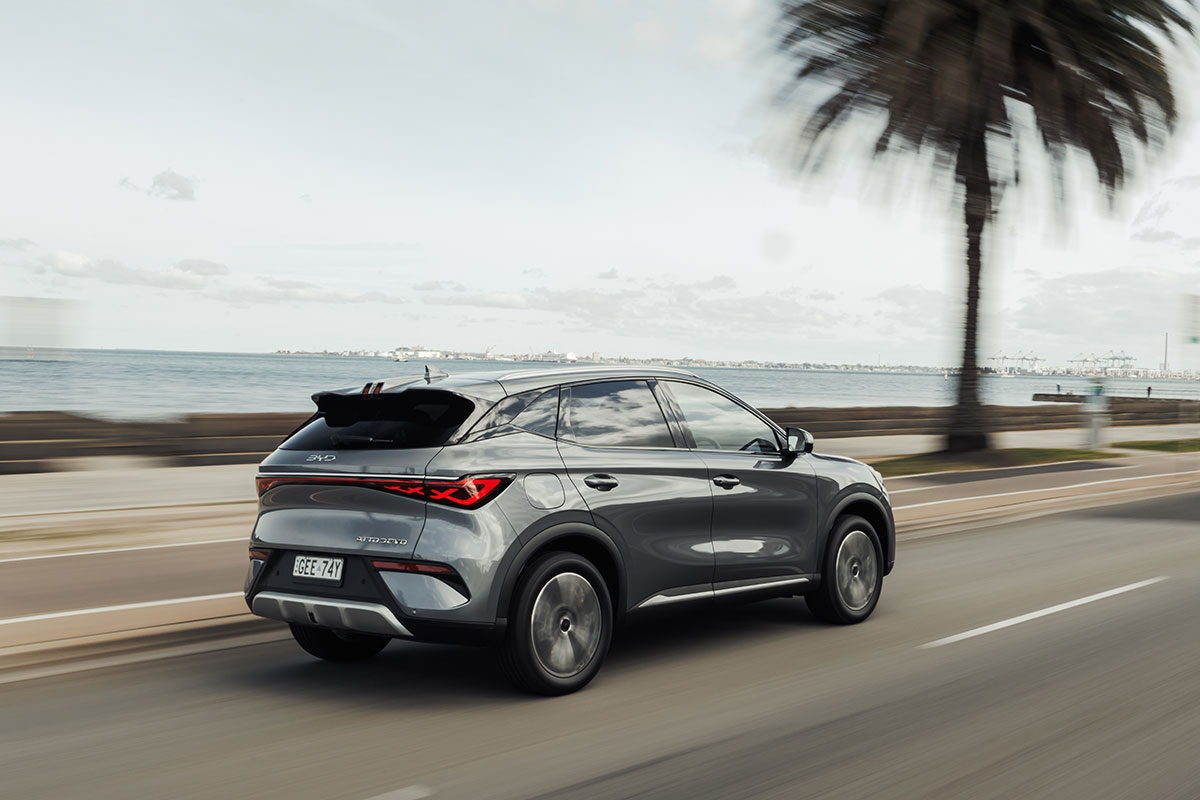
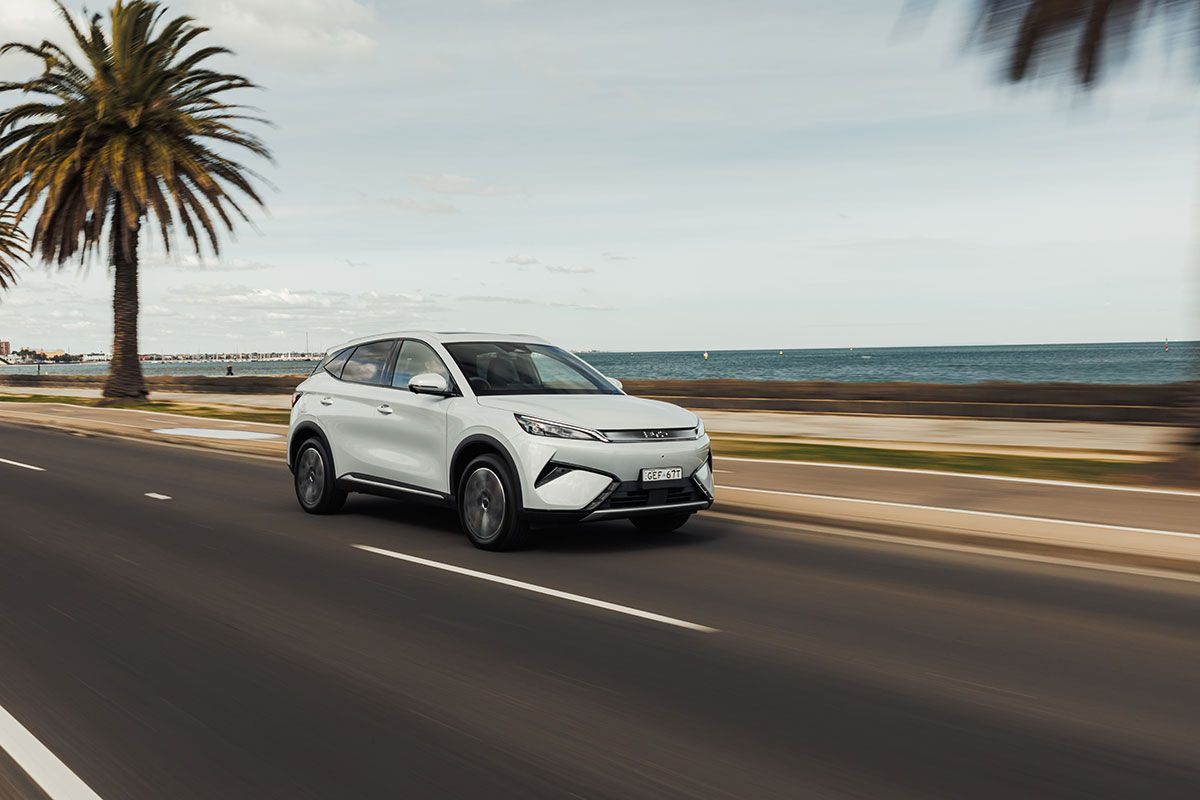
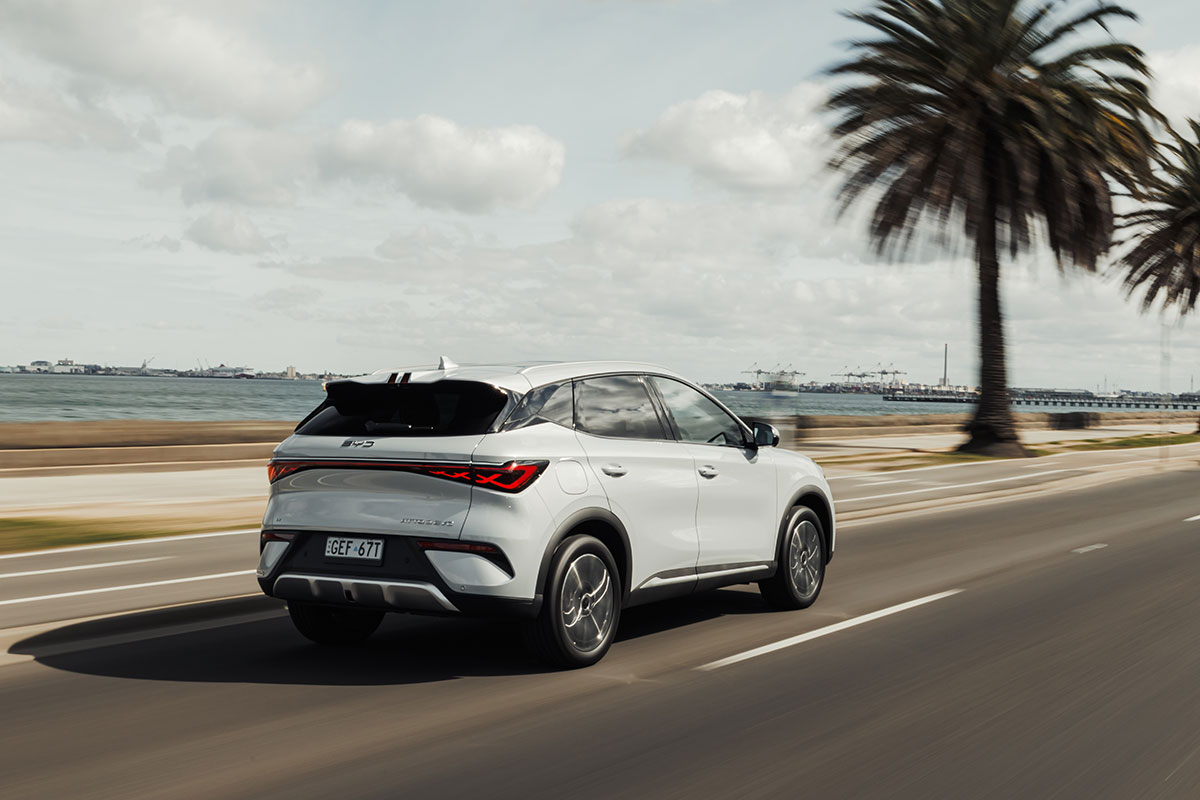
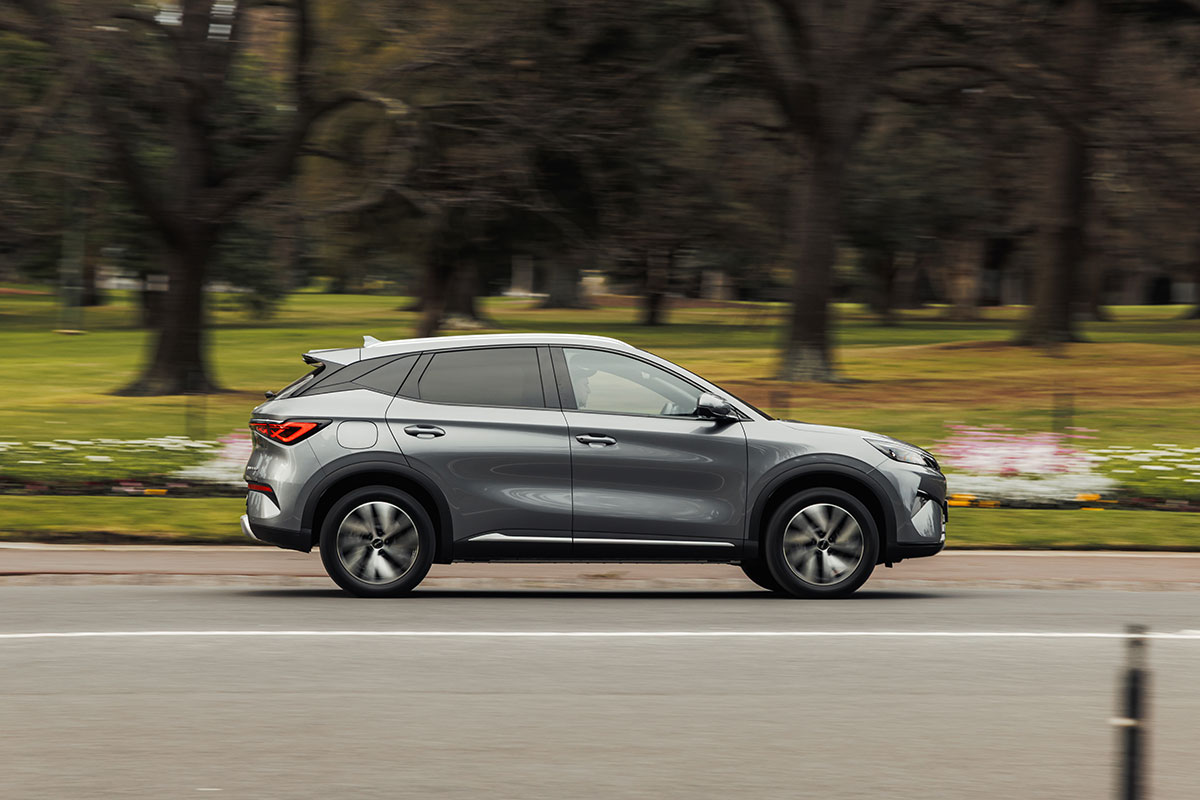
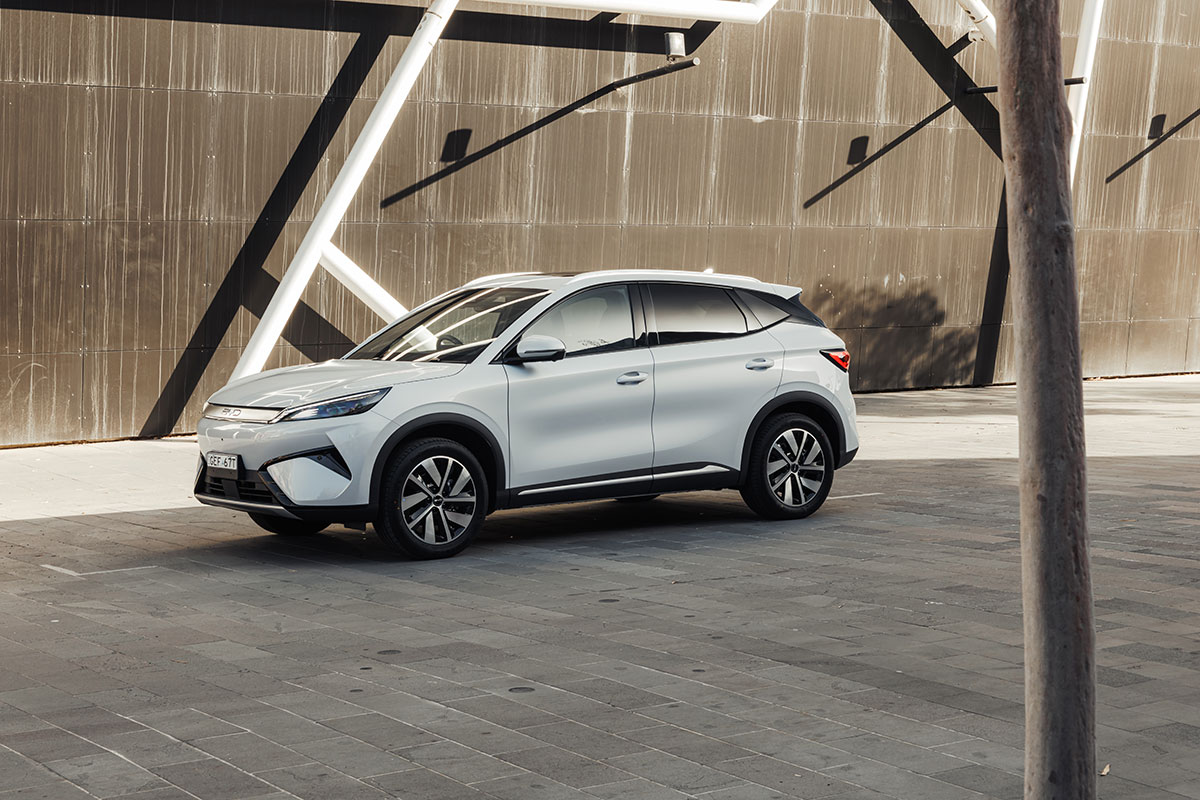
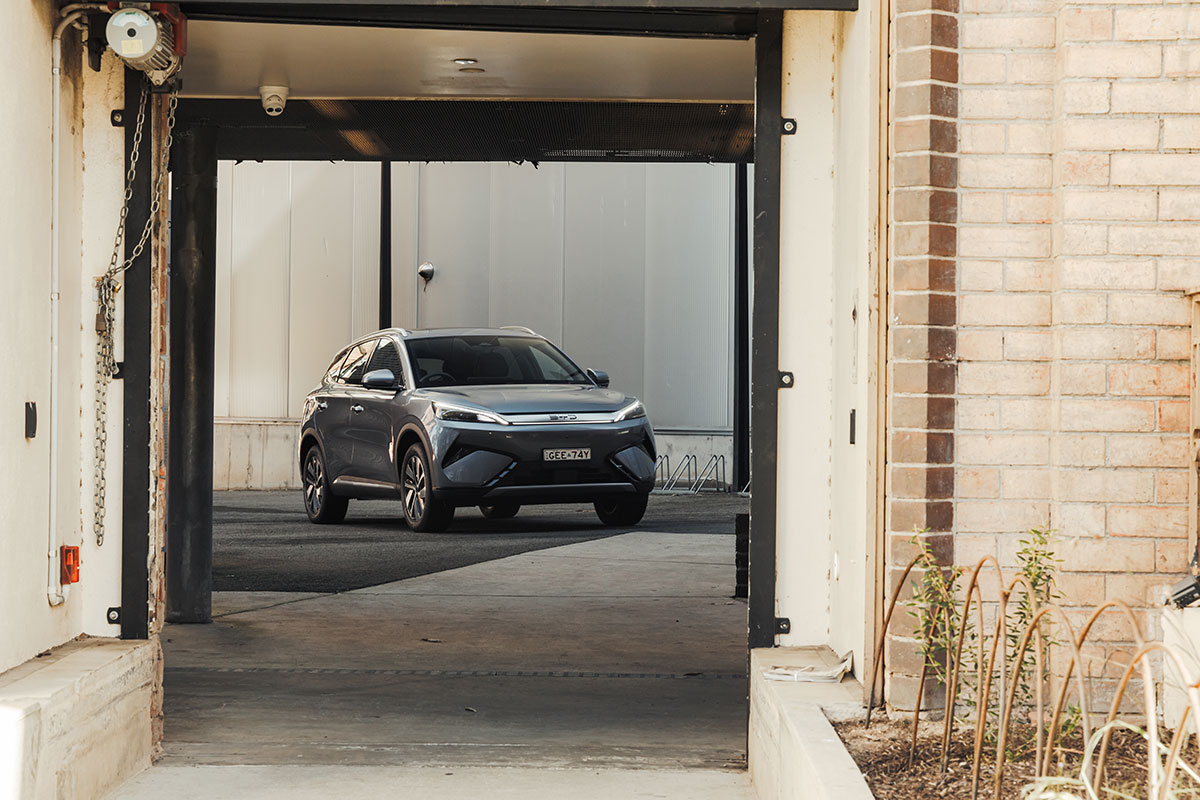
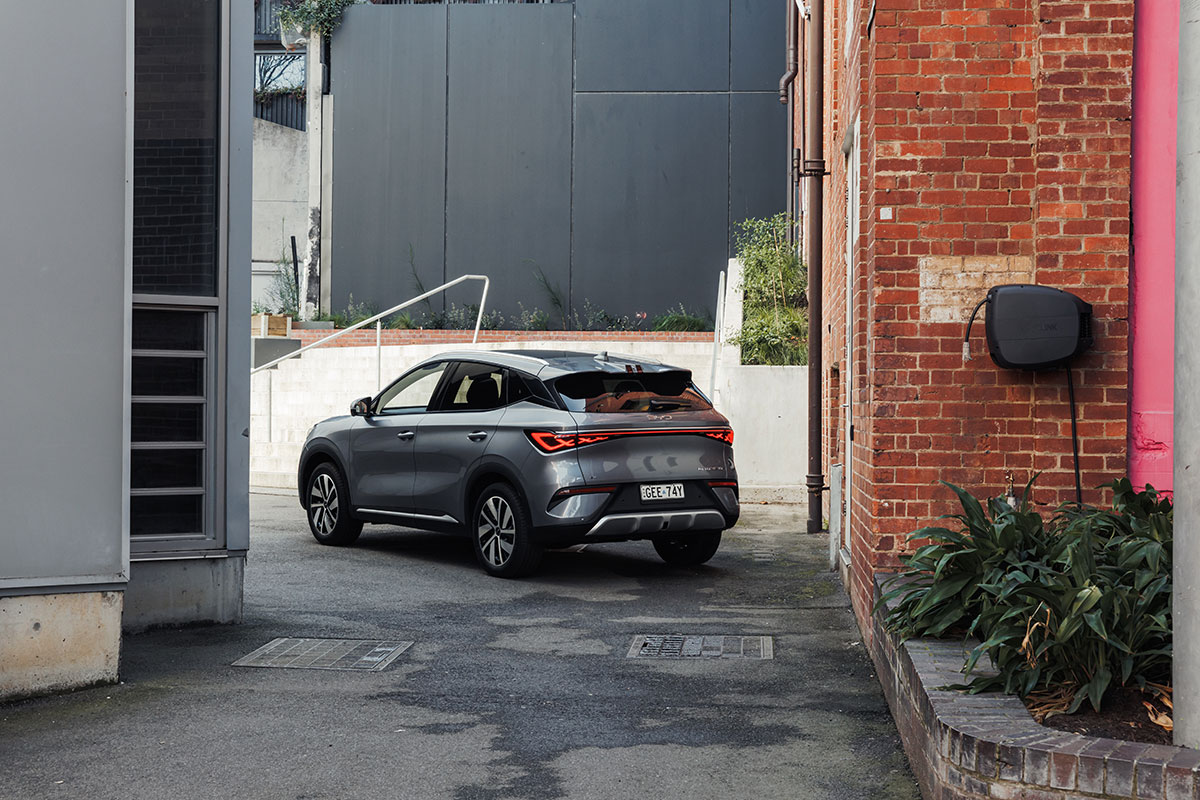
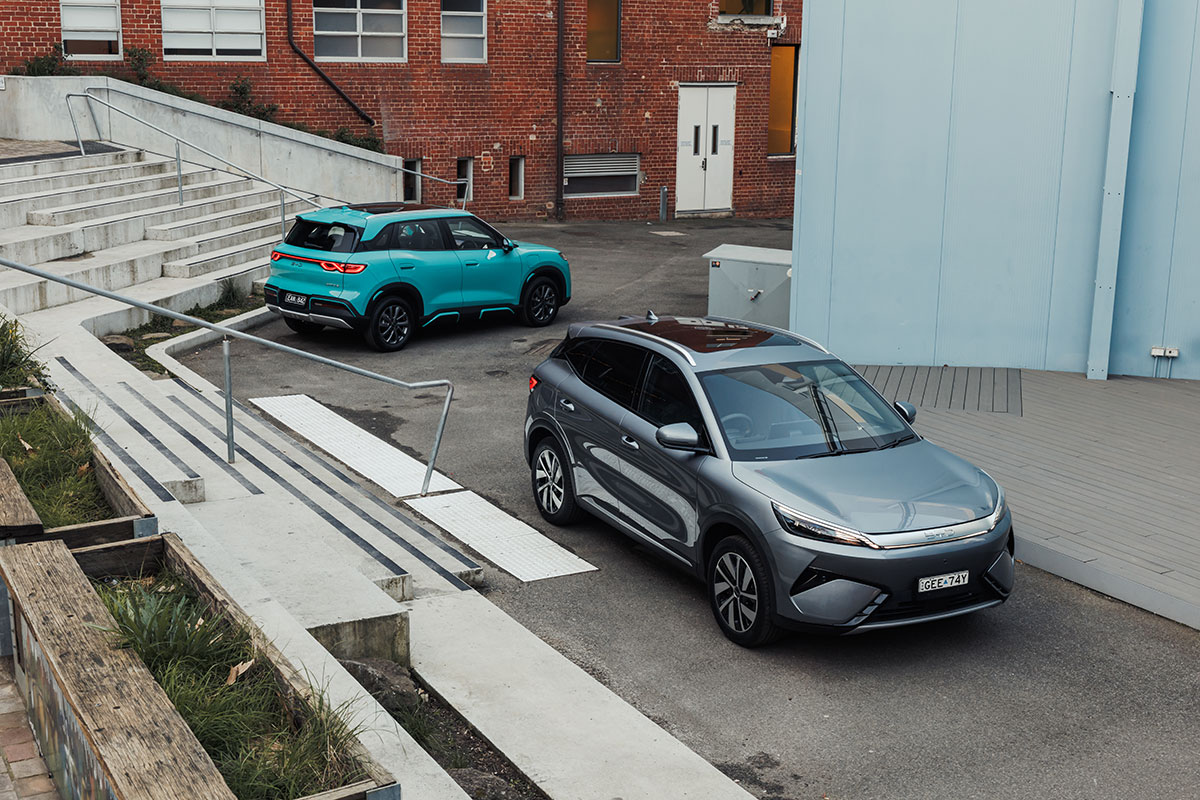
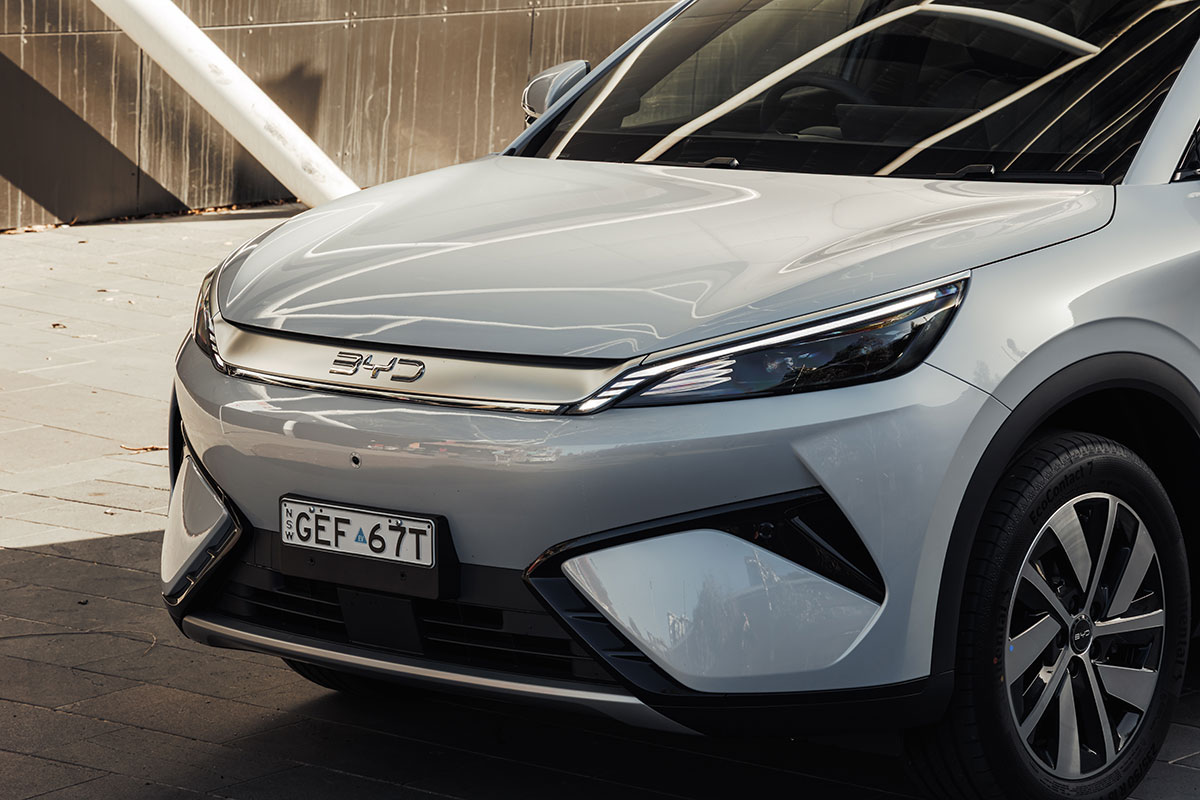
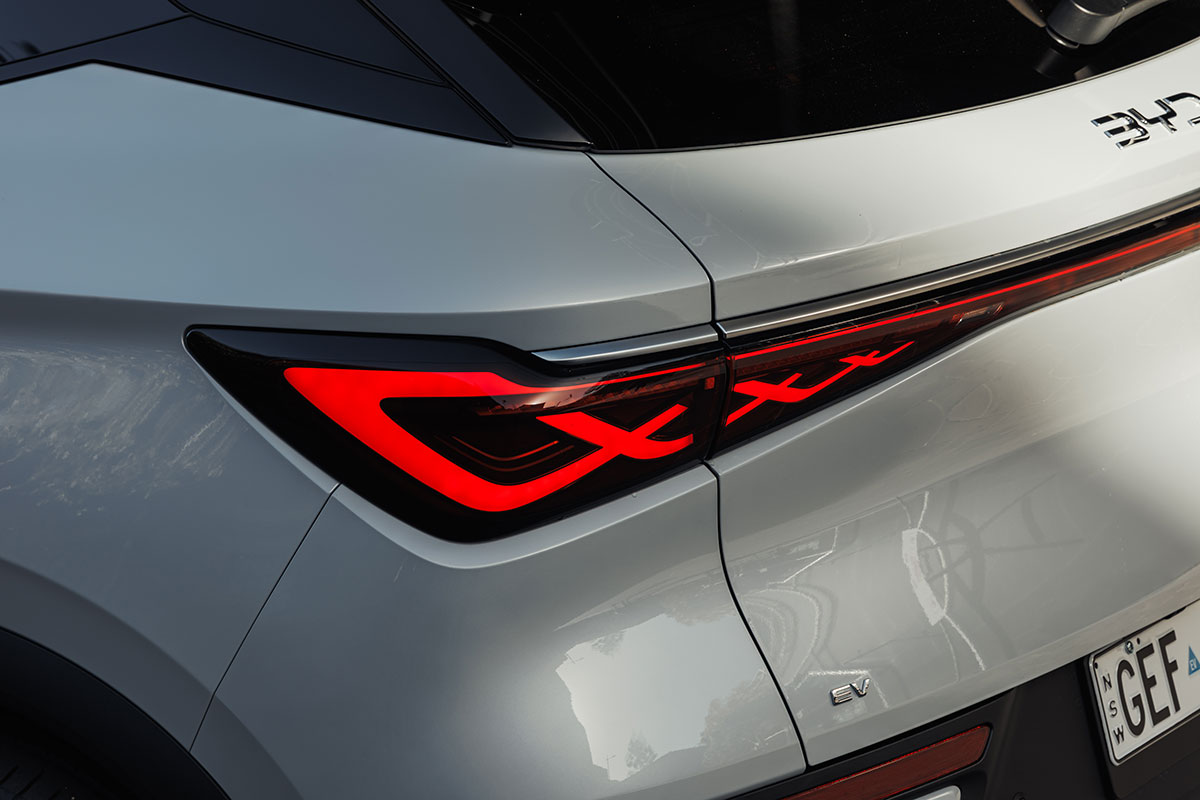
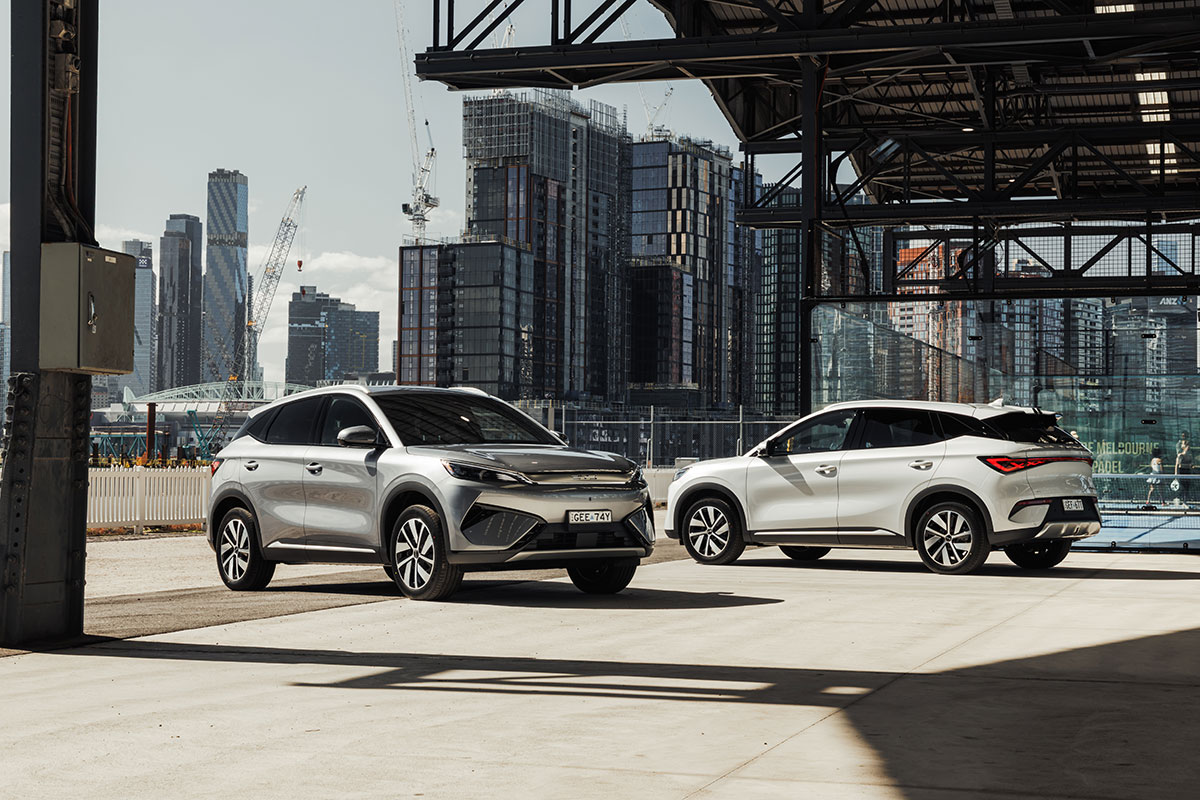
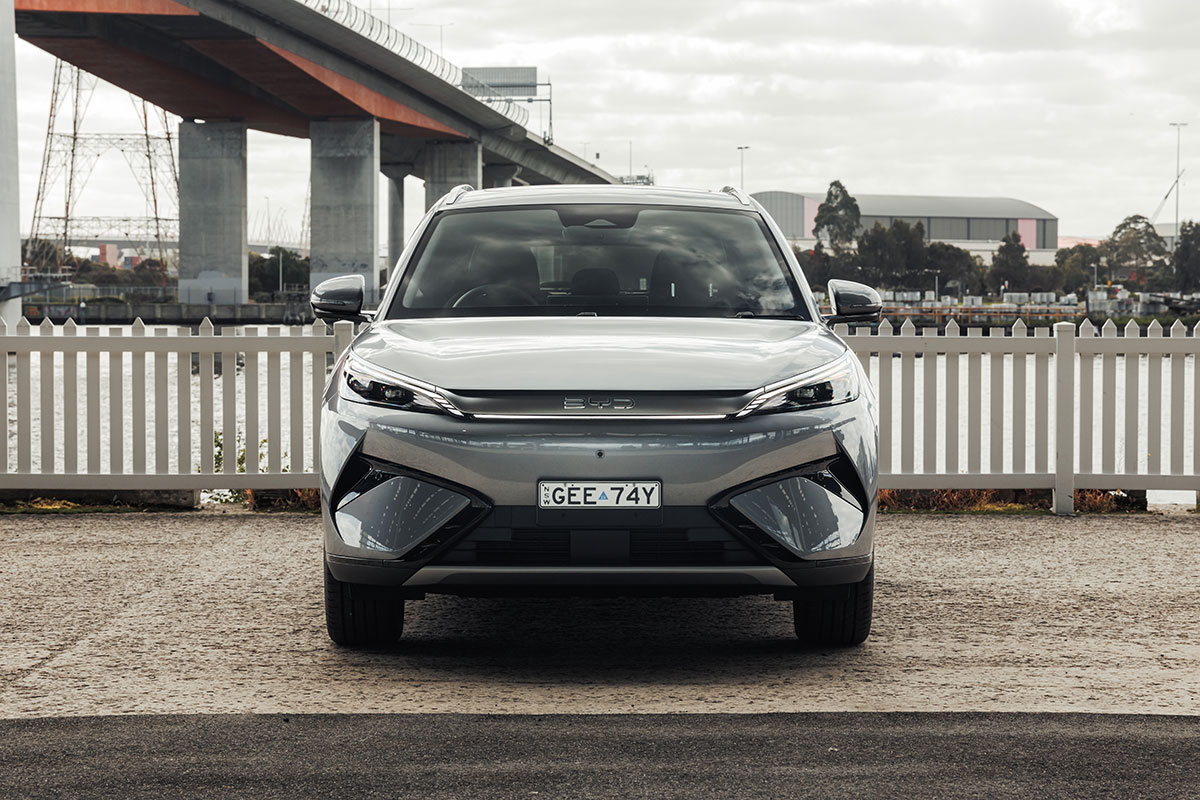
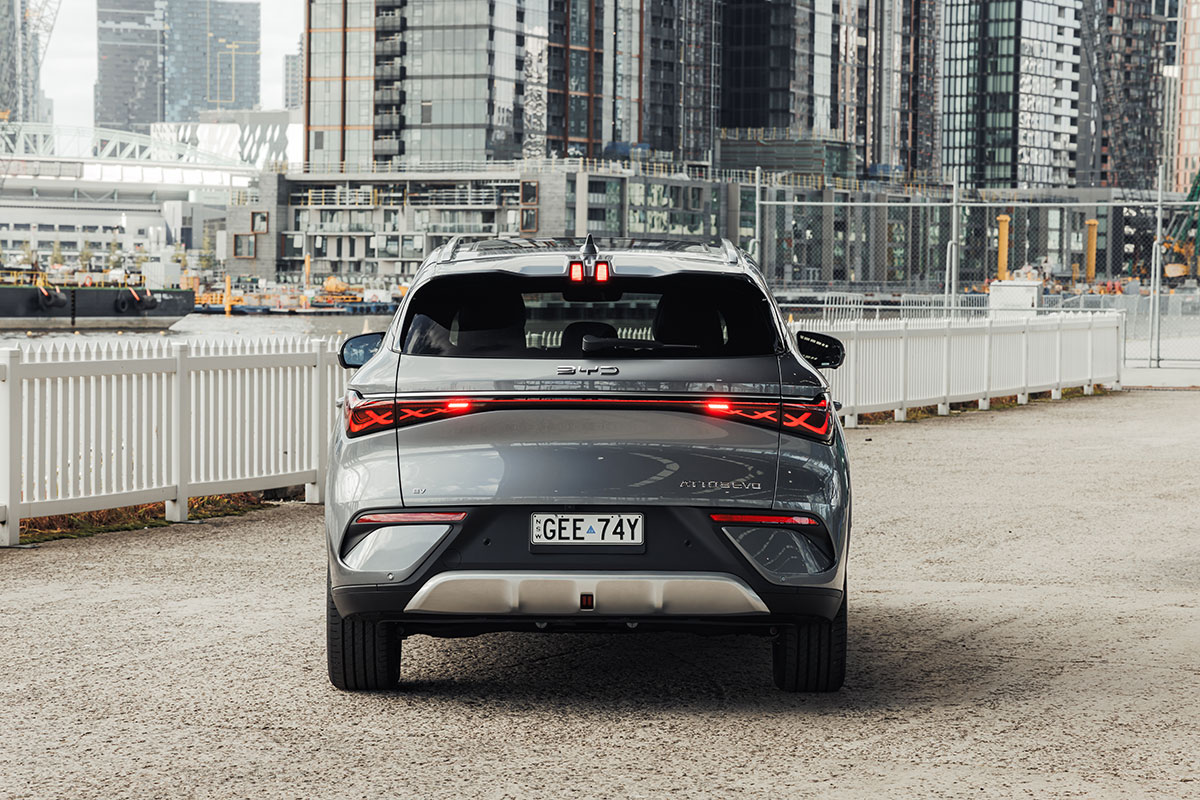
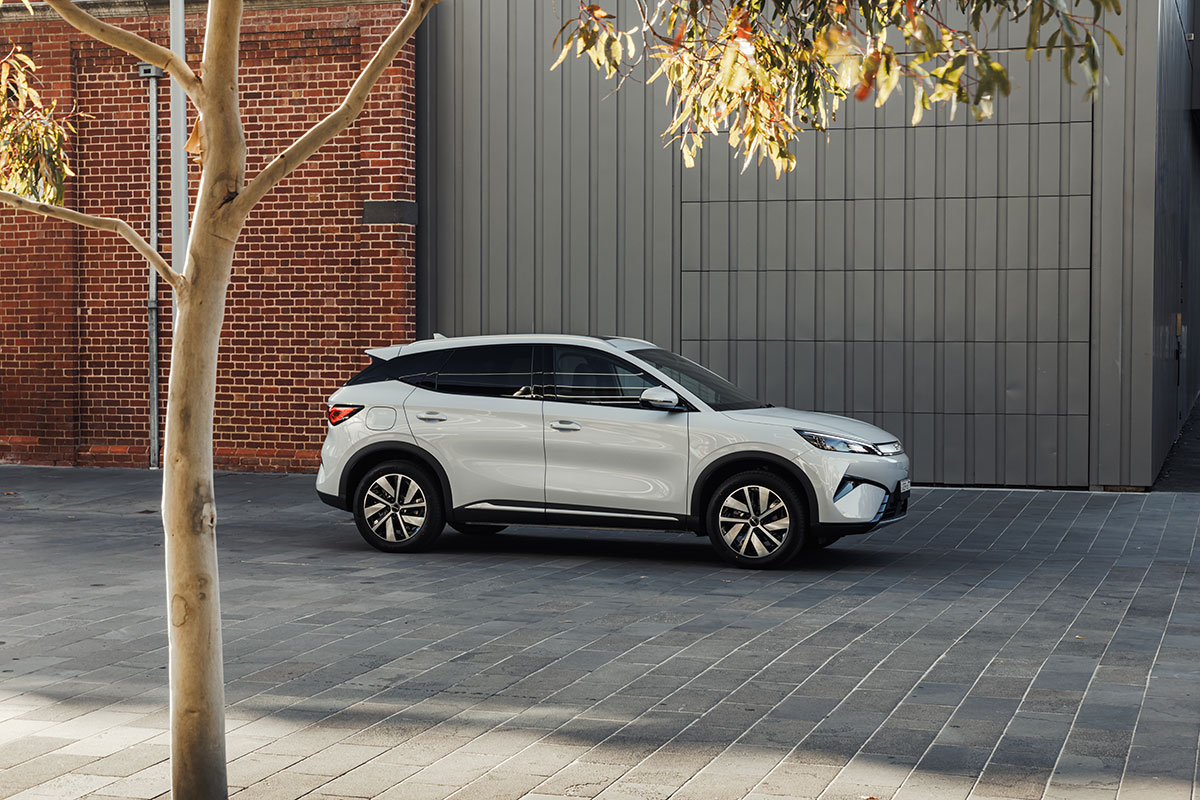
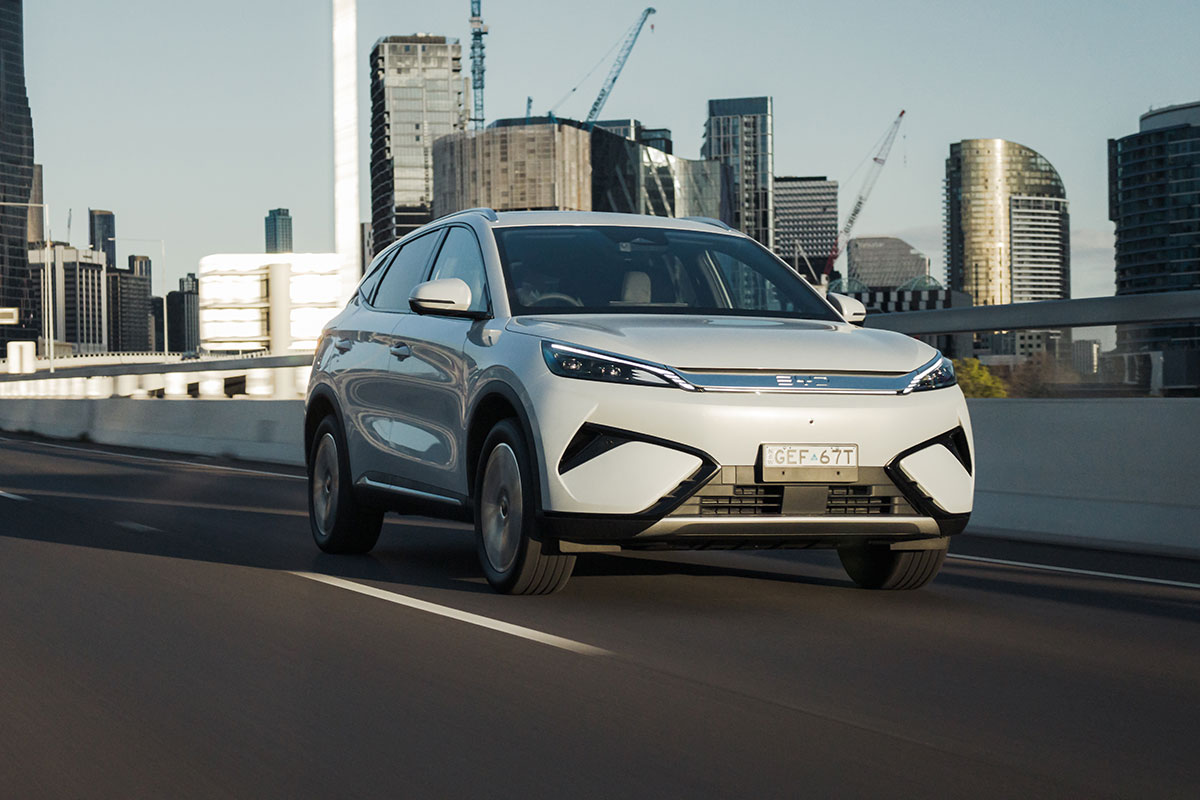
The BYD Atto 3 helped put the Chinese brand on Australian shopping lists when it arrived in late 2022, but the electric SUV market has changed enormously since then. The updated 2026 Atto 3 Evo responds with far more than a cosmetic nip and tuck, bringing a redesigned cabin, sharper exterior styling and significant powertrain changes.
For the Premium variant we drove, there's also a switch to rear-wheel drive, 230kW of power, 510km WLTP range and much faster charging. Those changes make it a considerably better proposition for longer trips, although some elements of the driving experience remain less polished than its much-improved specifications suggest.
How much does the 2026 BYD Atto 3 Evo cost?
The 2026 BYD Atto 3 Evo range opens at $41,990 before on-road costs for the Dynamic, with the Premium RWD priced from $46,990 before on-roads.
On paper that $5000 step looks like a trim walk-up, but underneath the two cars are now quite different propositions. The Dynamic retains front-wheel drive, a 60.48kWh LFP Blade battery and 150kW/310Nm motor, while the Premium moves its motor to the rear axle, lifts outputs to 230kW and 380Nm, and uses a larger 74.88kWh battery.
What is the 2026 BYD Atto 3 Evo like inside?
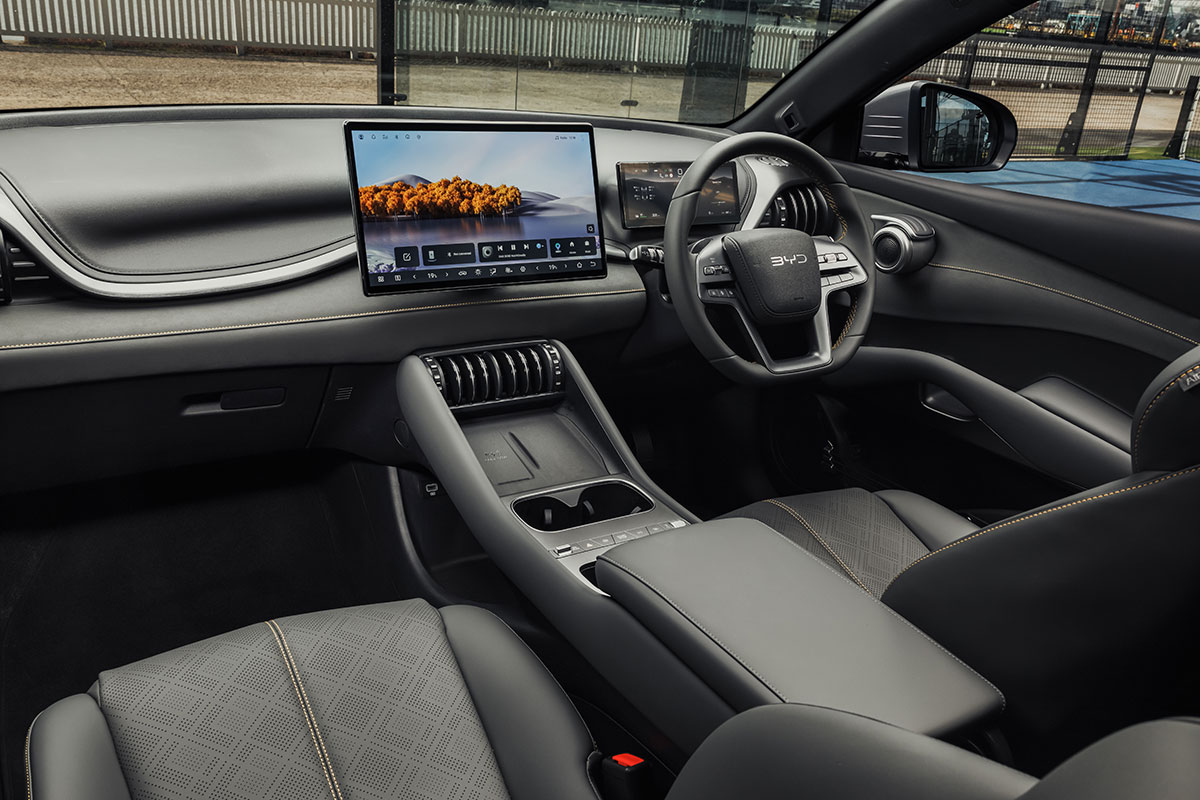
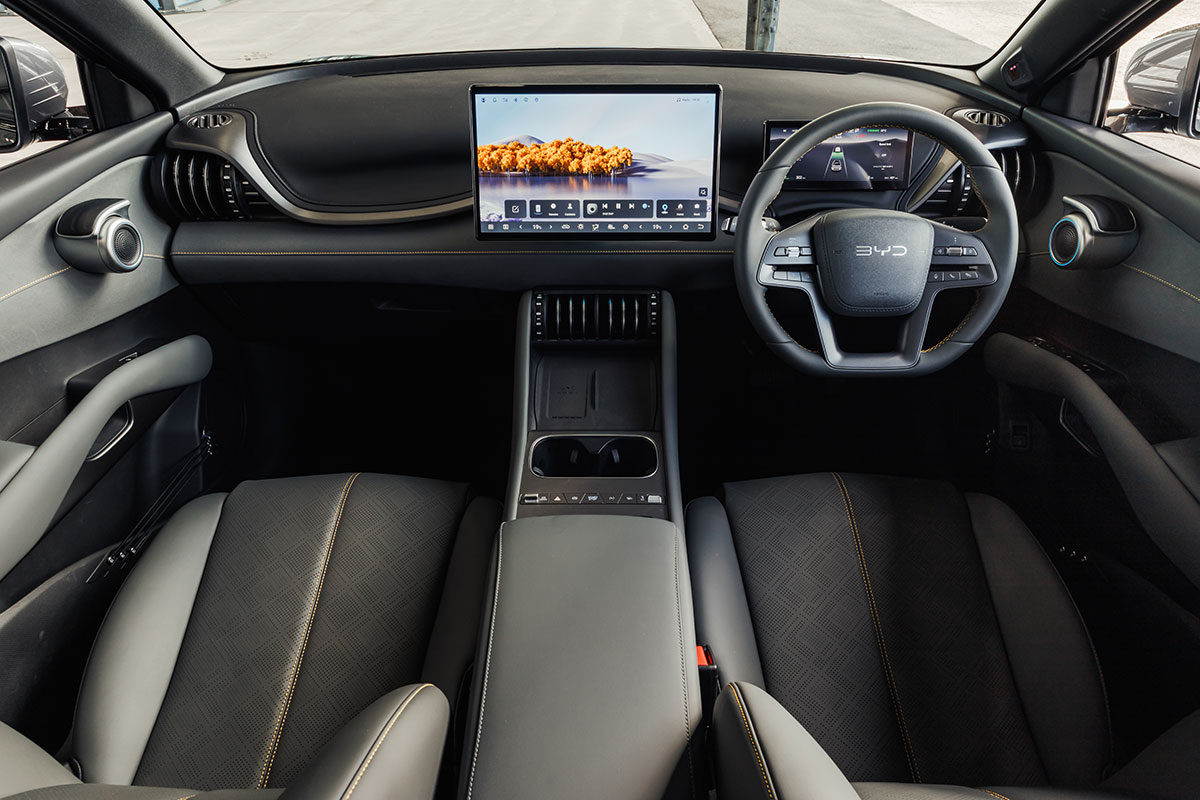
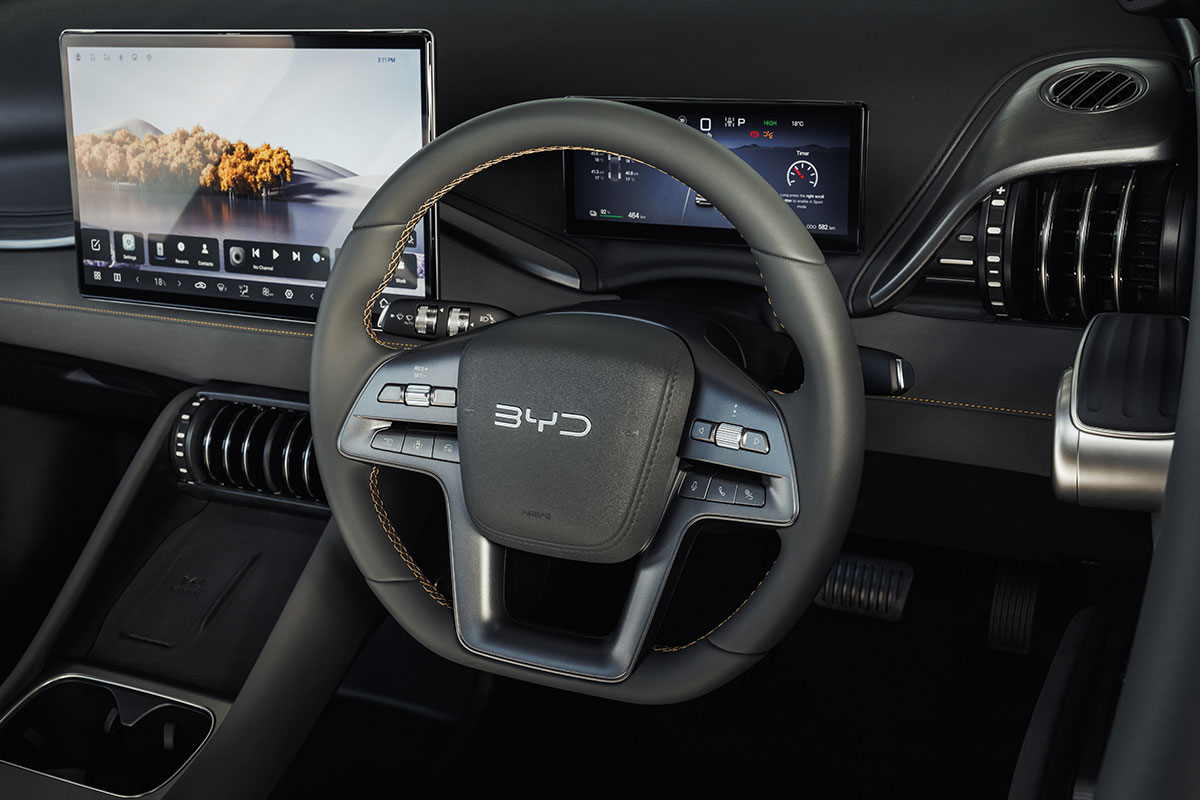
If the original Atto 3 interior felt like its designers had been given a marine-life mood board and told not to hold back, the Evo is far more restrained.
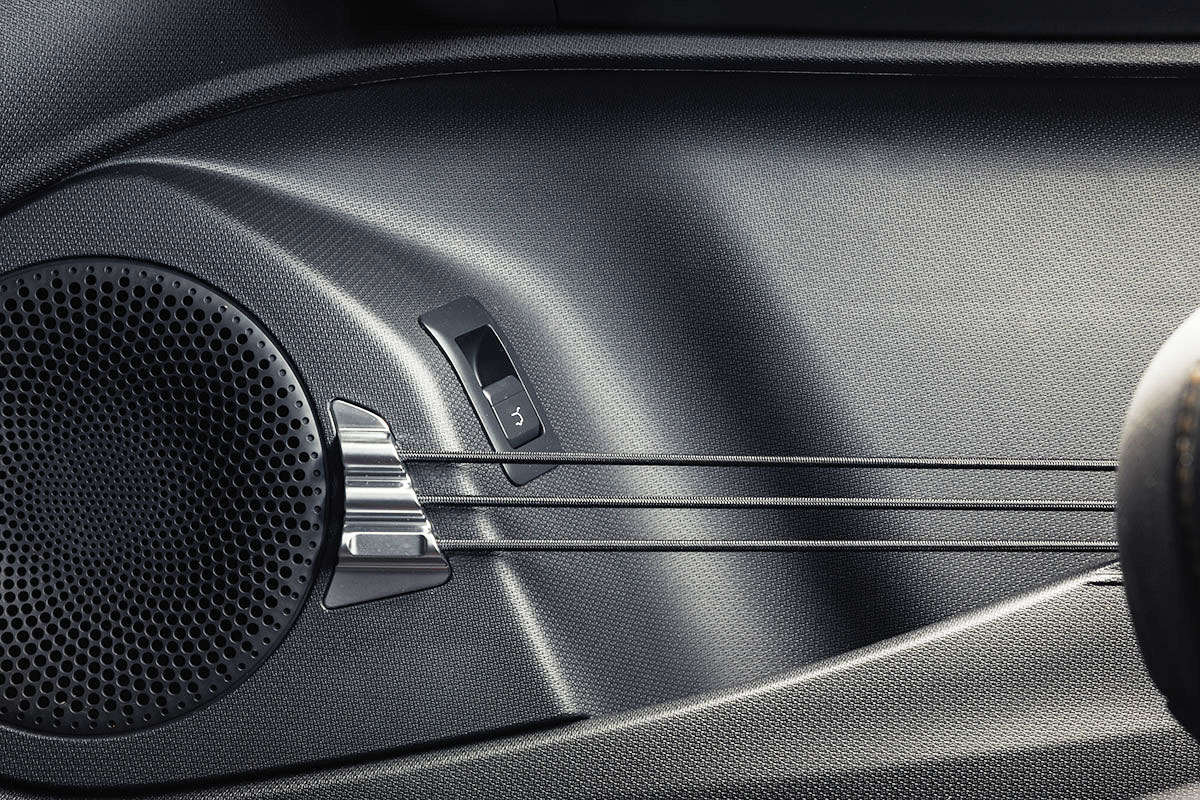
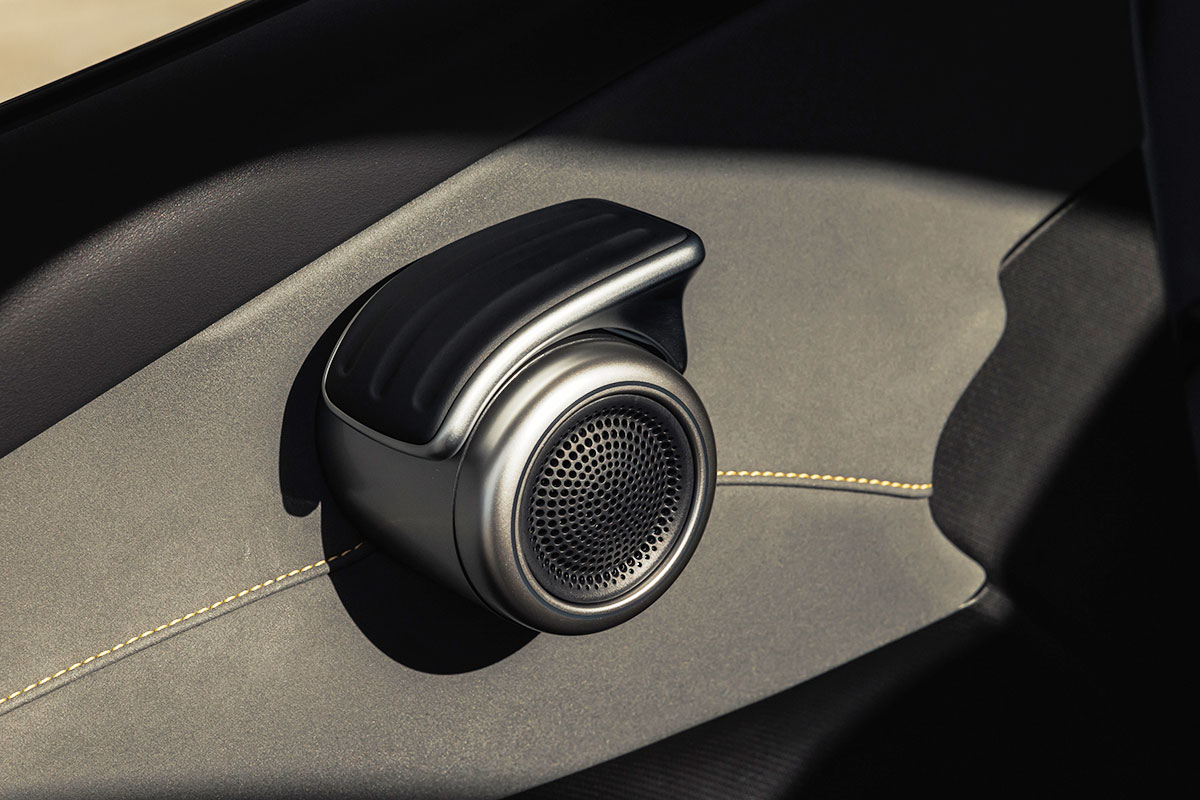
The aquatic theme hasn’t disappeared entirely, though. A sinuous curve still sweeps across the dashboard, while the retro circular door handles, finned air vents and infamous guitar-string door pockets remain. The latter are now black rather than red, sitting more quietly within the new grey cabin until, of course, someone plucks them.
The overall effect is more grown-up without becoming anonymous. Brushed aluminium-look detailing breaks up the subdued palette, while the squared-off steering wheel adds a more contemporary feel.
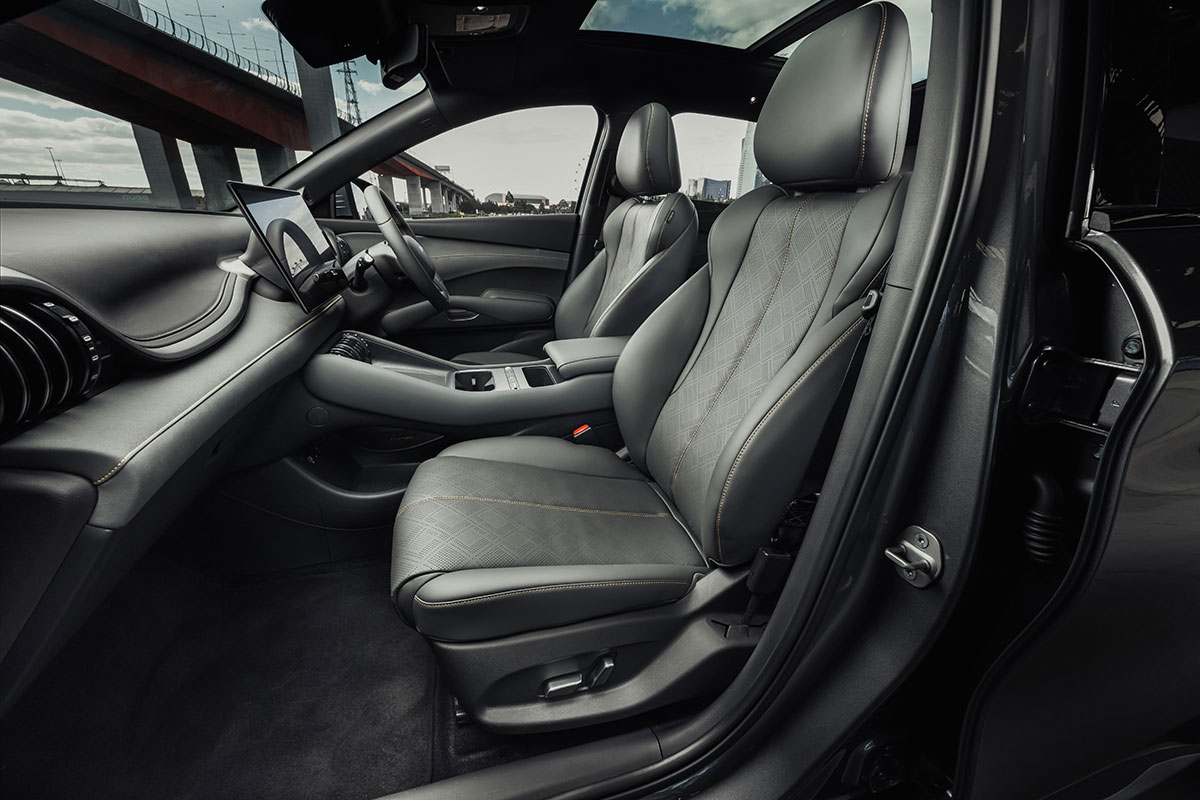
Material quality is mixed but acceptable for the price. Fine velour-like sections and lightly padded surfaces soften key touch points, although the plastics and cushioning stop short of feeling premium.
Colour choices have also become more conservative. The earlier Atto 3 offered brighter exterior shades and a distinctive two-tone blue and grey cabin with red detailing. The Evo shifts to Ski White, Harbour Grey, Cosmos Black and Premium-only Atlantis Grey, with Grey the only interior colour.
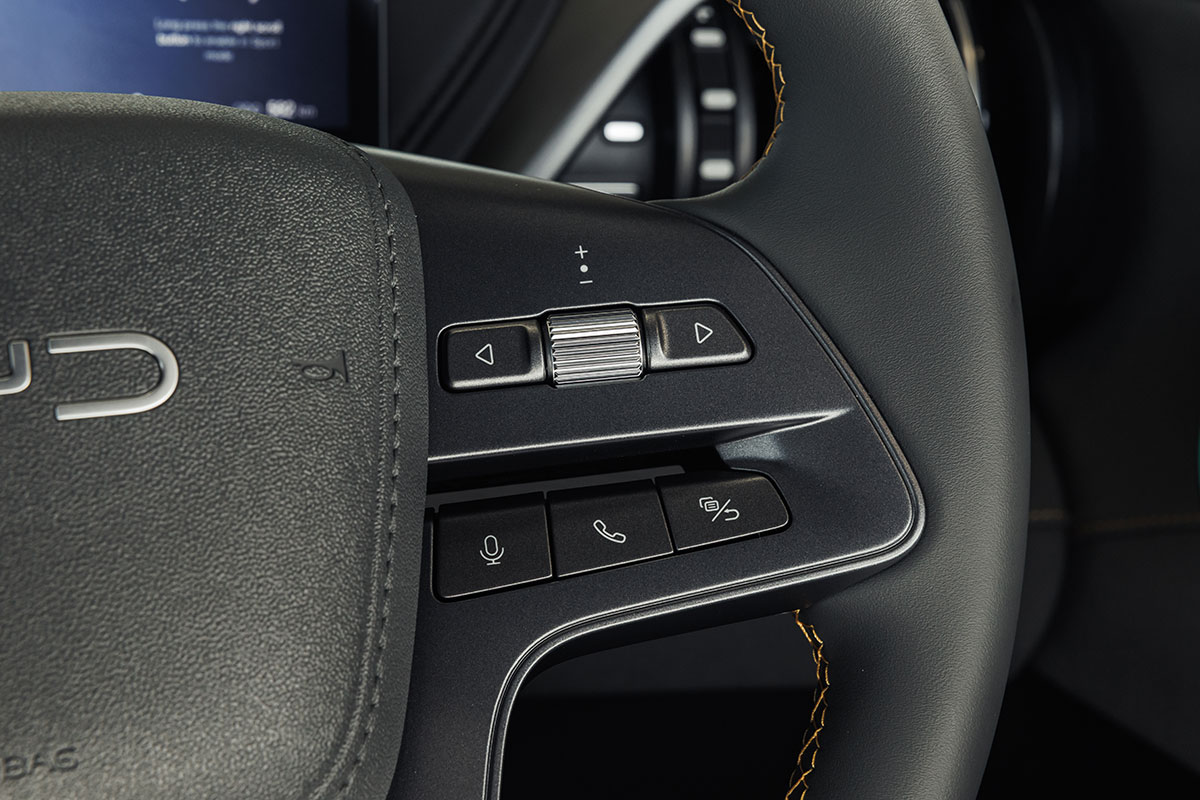
The controls are mostly well judged, with tactile rotary switches and physical buttons for frequently used functions, although the indicator stalk could use more damping. The gear selector has moved to the steering column, freeing up the centre console, while the driver display grows from 5.0 to 8.8 inches.
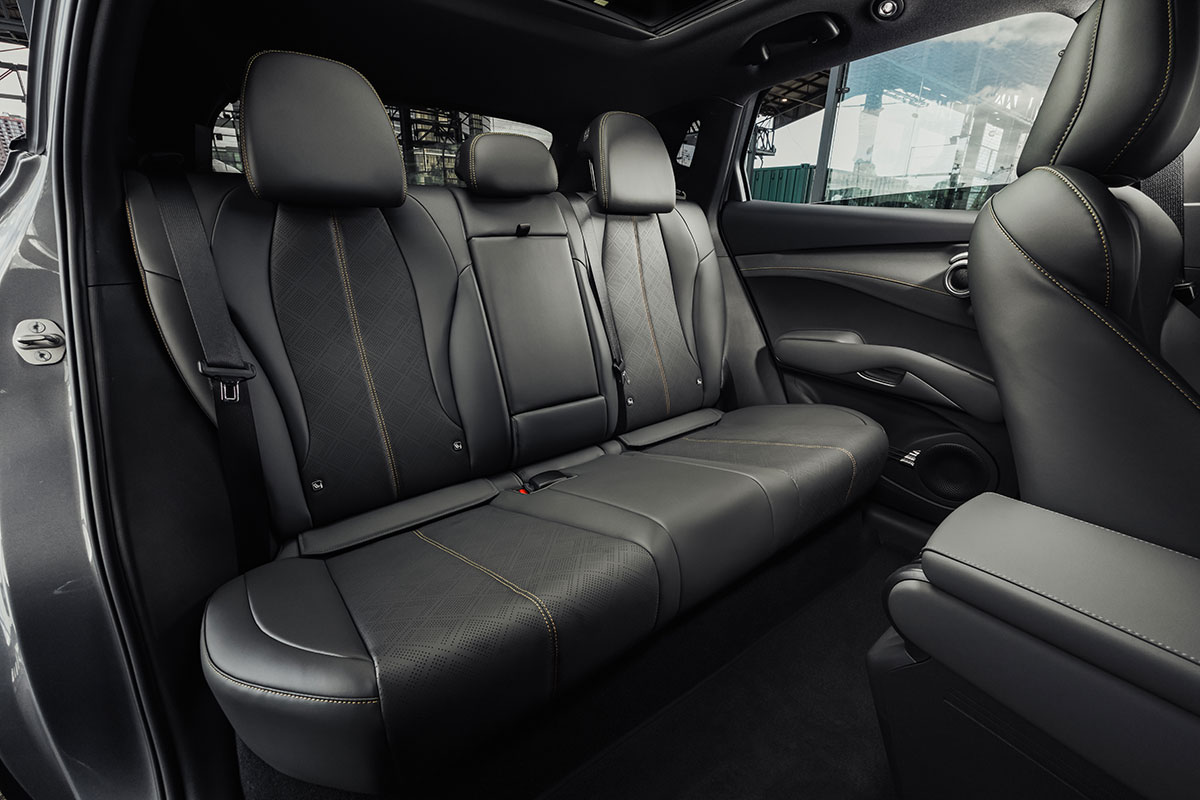
Seats are firm but benefit from standard heating and ventilation, with powered lumbar adjustment in the Premium. Cabin space is adequate rather than generous, with rear knee room still a little tight for the class.
What equipment does the 2026 BYD Atto 3 Evo come with?
BYD has traditionally been generous with equipment, and the Atto 3 Evo continues that approach rather than stripping back the cheaper Dynamic.
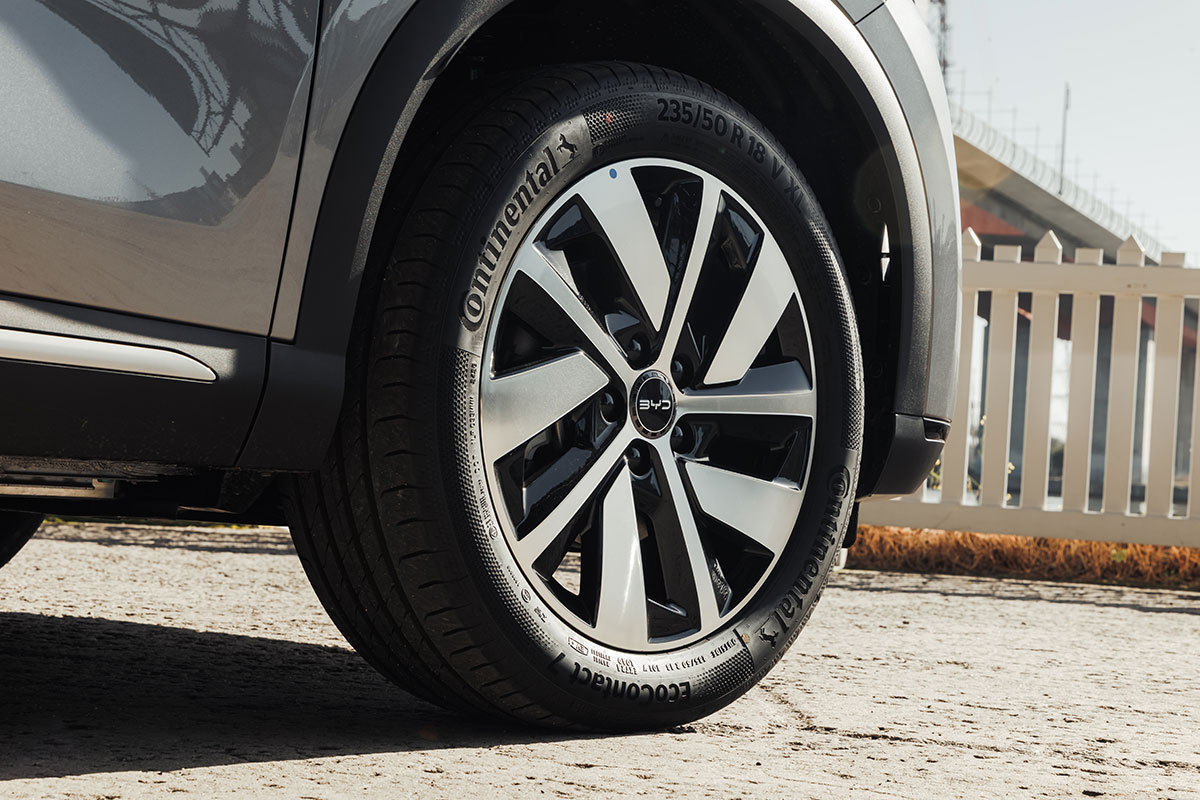
Both variants get a panoramic sunroof, roof rails, powered tailgate, 18-inch alloy wheels, rain-sensing wipers, an electrically adjustable driver’s seat, heated and ventilated front seats and an eight-speaker sound system.
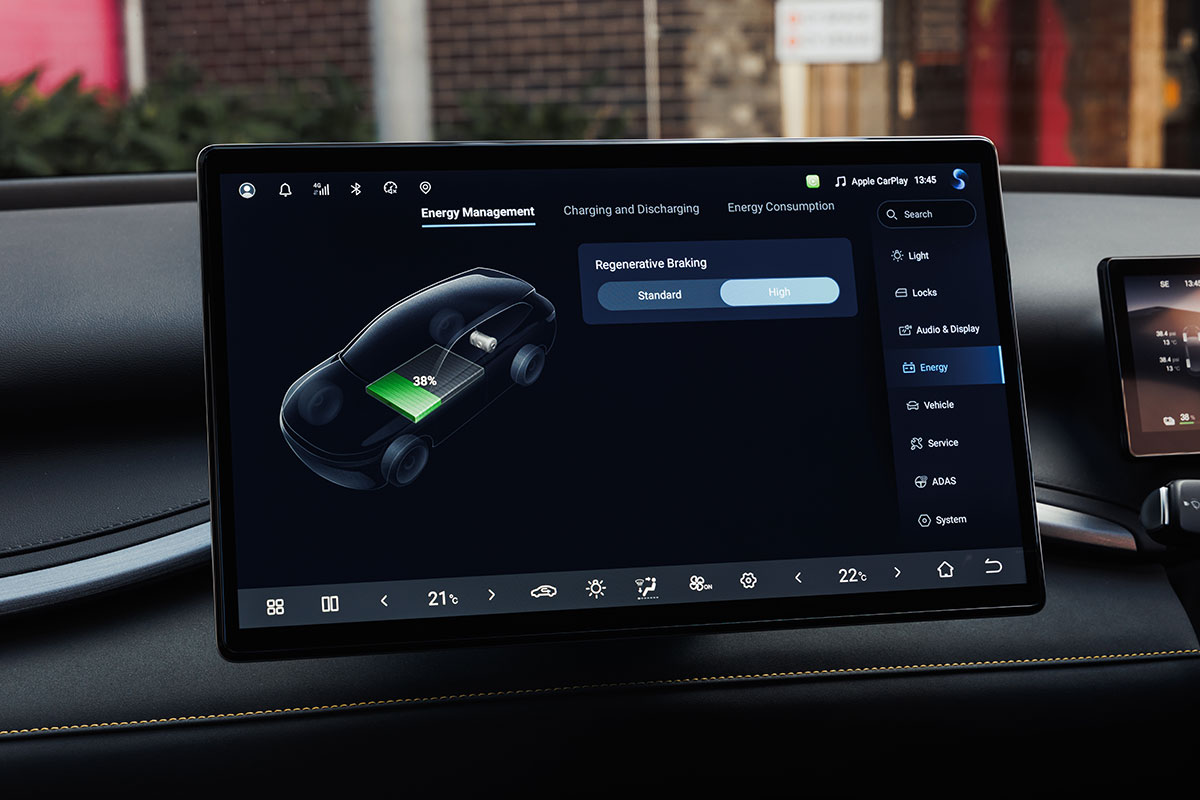
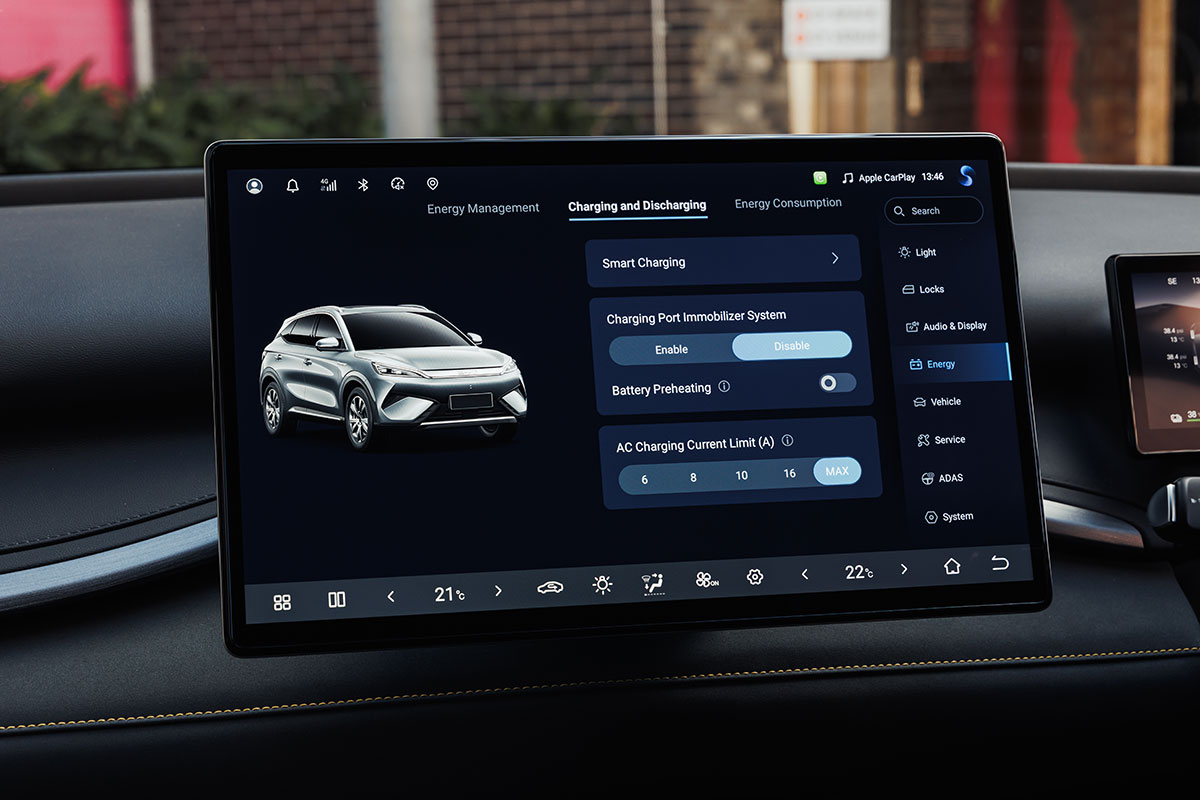
The 15.6-inch touchscreen supports wired and wireless Apple CarPlay and Android Auto, while wireless phone charging rises from 15W to 50W. The Premium adds dual-zone climate control and four-way powered lumbar adjustment for the driver.
Storage is useful overall, although the USB ports are awkwardly tucked beneath the centre console in the lower bag-storage area.
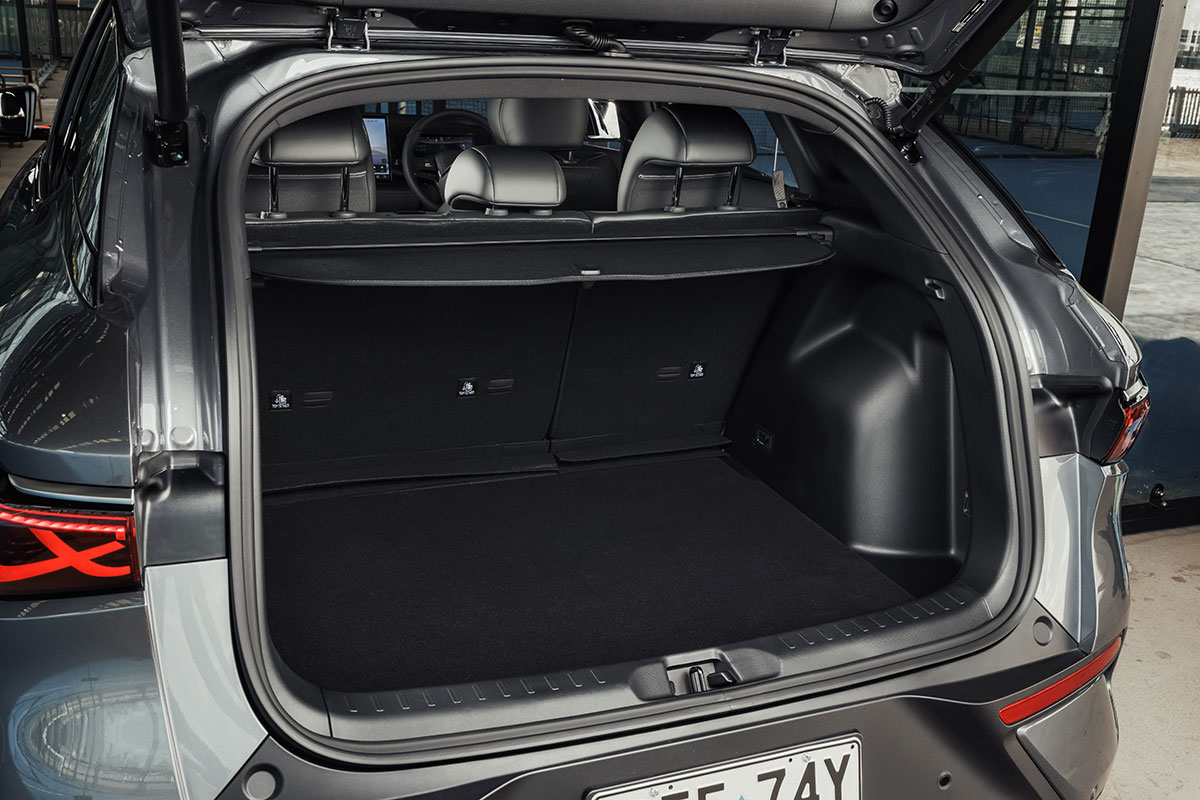
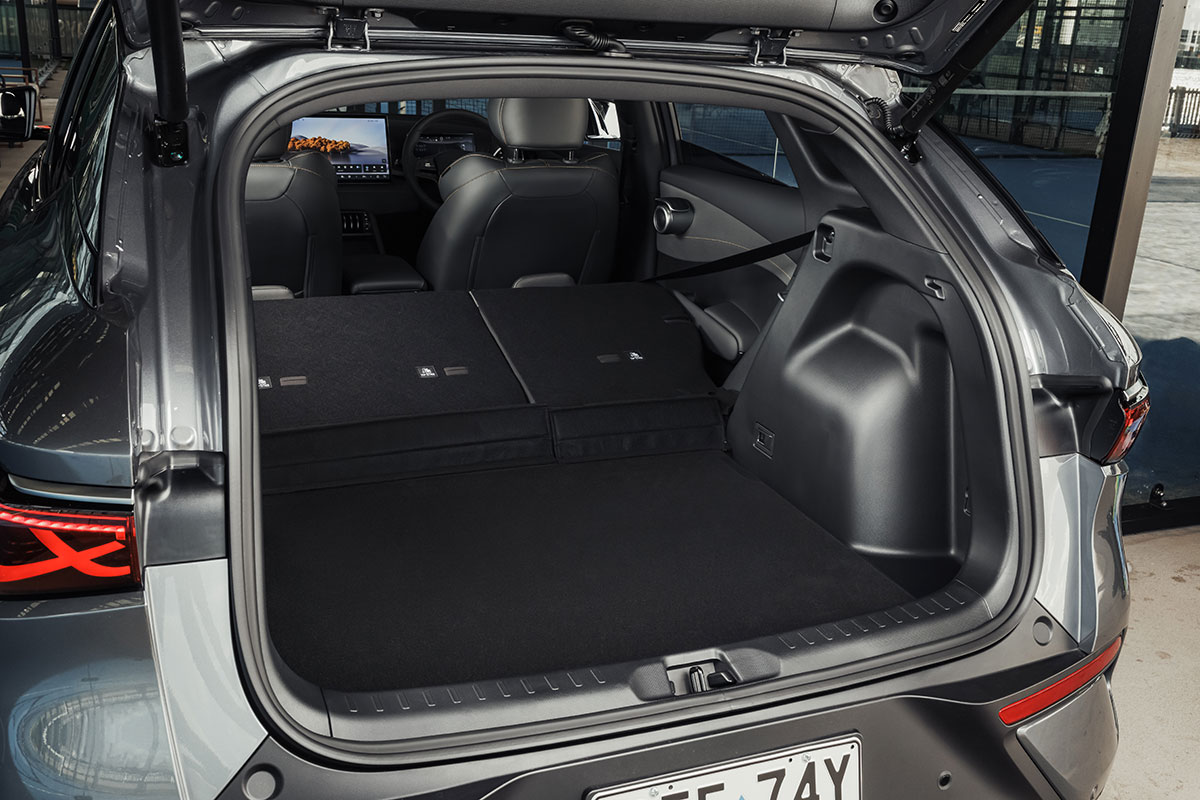
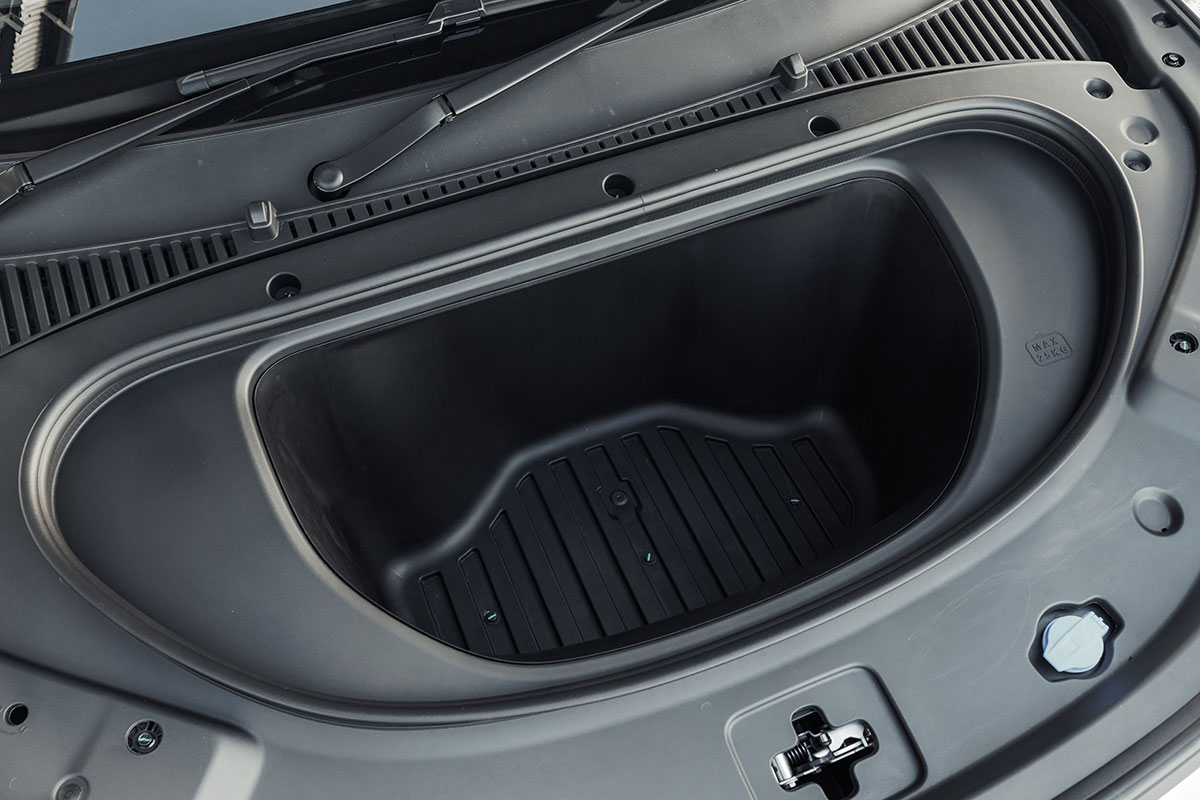
The Premium benefits most from its rear-wheel-drive layout, with boot space increasing from 434 to 490 litres, or 1360 litres with the rear seats folded. It also gains a genuinely useful 101-litre frunk.
Both variants retain 3.3kW vehicle-to-load, while the BYD app offers remote locking, climate control and vehicle-location functions. Digital and NFC keys are also available.
How safe is the 2026 BYD Atto 3 Evo?
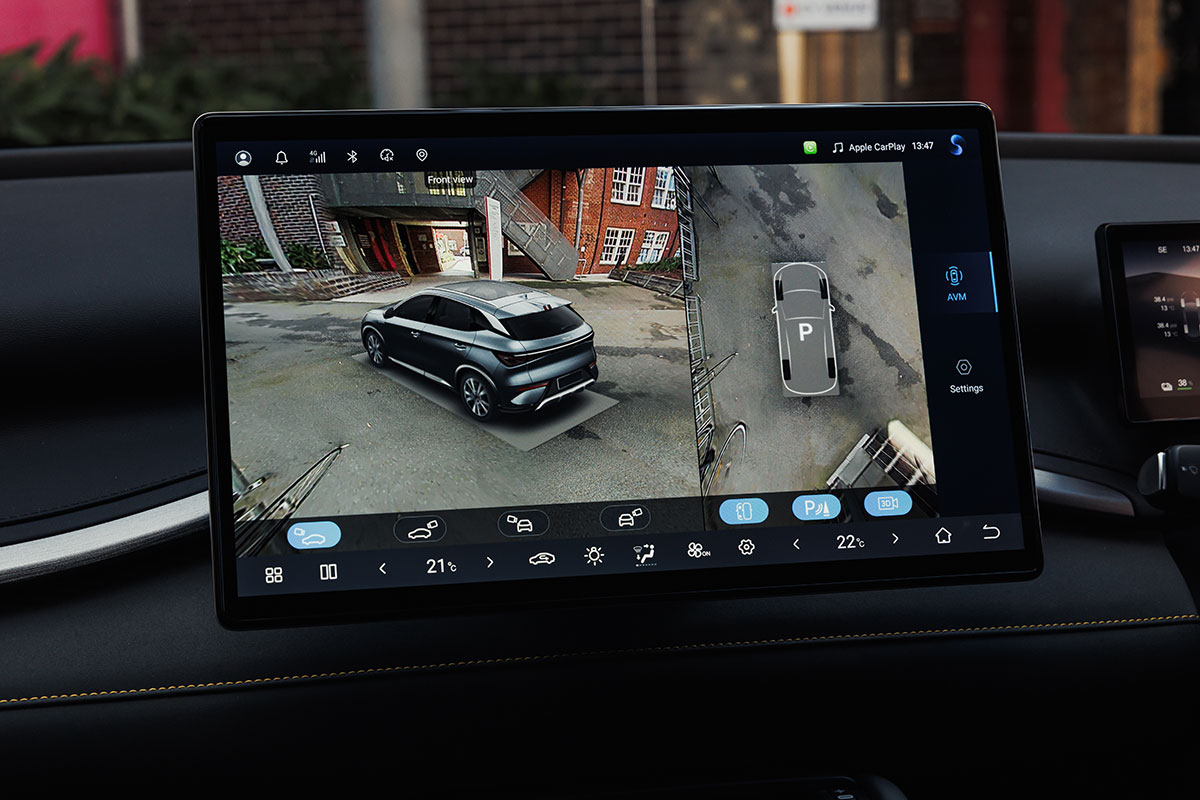
The Atto 3 Evo comes with a broad suite of active driver assistance technology, including autonomous emergency braking, adaptive cruise control, lane-keeping assistance, blind-spot detection and rear cross-traffic alert and braking.
New for the Evo is child presence detection, which uses in-cabin sensing to detect an occupant left inside after the vehicle has been locked, while a driver monitoring system watches for signs of fatigue or distraction.
The Premium expands the package with front cross-traffic alert and braking, something that can be particularly useful when nosing out of a driveway or parking space with restricted visibility.
As with all driver-assistance technology, the systems operate within defined conditions and remain an aid rather than a substitute for driver attention.
What powers the 2026 BYD Atto 3 Evo?
Although both wear the Atto 3 Evo badge, there is now a meaningful mechanical divide between the Dynamic and Premium trim levels.
The Dynamic remains front-wheel drive, pairing a 60.48kWh LFP Blade battery with a single 150kW/310Nm motor. BYD claims 420km WLTP range and a 0 to 100km/h time of 7.3 seconds.
The Premium is effectively the performance and long-distance member of the family. Its 74.88kWh LFP battery supplies a rear-mounted 230kW/380Nm motor, cutting the 0 to 100km/h time to 5.5 seconds while increasing claimed range to 510km WLTP.
The Premium also introduces an 800-volt electrical architecture, compared with the Dynamic’s 400-volt system, and that feeds into one of the most meaningful changes to the Atto 3: charging speed.
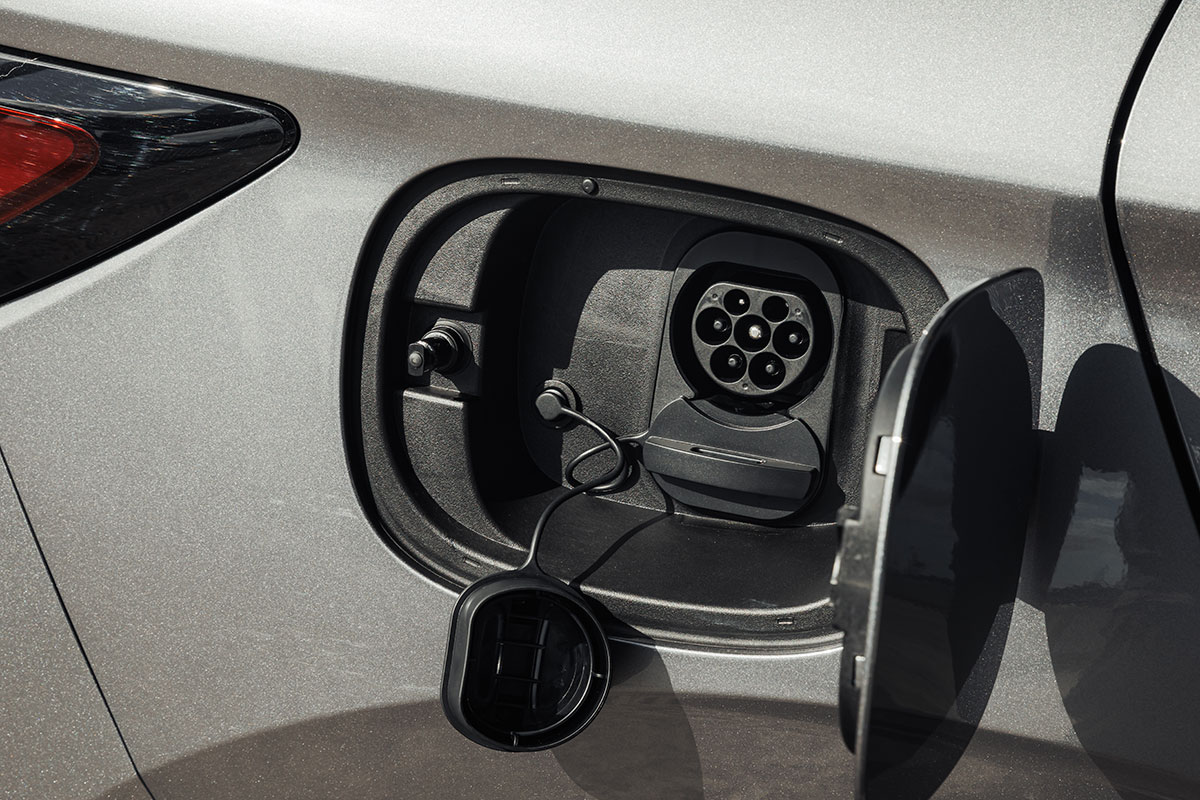
The previous Atto 3’s 80kW DC peak was increasingly modest in a market where rapid charging has moved on quickly, adding unnecessary time to charging stops on longer journeys. The Evo Dynamic now accepts up to 110kW DC, while the Premium leaps to 220kW on a compatible DC fast charger, with BYD quoting 10 to 80 per cent in 25 minutes.
This plus the extra range should make the Premium considerably easier to live with on interstate and regional trips, where shaving 15 or 20 minutes from a charging stop can matter more than extracting another few kilometres of urban range.
AC charging is rated at 7kW for the Dynamic and 11kW for the Premium. Claimed WLTP range is 420km and 510km respectively.
— Bridie Schmidt
What is the 2026 BYD Atto 3 Evo like to drive?
Our first drive was in the Atto 3 Evo Premium RWD, so the following handling impressions apply specifically to that variant. The front-wheel-drive Dynamic has a different drivetrain, lower kerb weight and different weight distribution, and will need to be driven separately before drawing conclusions about the range as a whole.
There’s no shortage of punch in the Premium. With 230kW going to the rear wheels, acceleration arrives quickly and cleanly, and the 5.5-second 0 to 100km/h claim feels entirely believable without turning the Atto 3 into something unnecessarily frantic.
For a family-oriented electric SUV, there is more than enough performance on tap for overtaking or joining fast-moving traffic, and the switch from front- to rear-wheel drive gives the car a different underlying character to the outgoing model.
What doesn’t quite come together is the relationship between steering and suspension.
The ride has a firm edge, yet in Comfort mode the steering allows more play around the straight-ahead position than the relatively taut suspension leads you to expect. It creates a slightly disconnected sensation: the body feels tied down, but the steering initially feels less precise.
Selecting Sport changes the character noticeably, tightening the steering and taking much of that looseness away. The trade-off is that the additional weight feels rather artificial, masking any sense of agility rather than making the steering noticeably more communicative.
What is missing is a sweeter setting somewhere between the two. Comfort could do with a little more precision, while Sport would benefit from feeling less resistant and more natural through the wheel.
Open Road’s take on the 2026 BYD Atto 3 Evo
The Atto 3 Evo arrives into a far tougher electric SUV market than its predecessor, and BYD has focused on the areas that were starting to hold the old car back.
The biggest gain is charging. The previous model’s 80kW ceiling made longer trips unnecessarily slow, while the upgraded Premium’s 220kW maximum on a compatible charger, paired with 510km WLTP range, now make it a much stronger road-trip proposition.
Inside, the cabin is more mature but still recognisably Atto 3, retaining the flowing dashboard, circular door handles, retro vents and guitar strings. The more subdued colour palette suits that shift, although the lack of interior colour choice may disappoint some buyers.
The Premium’s dynamics are less convincing. There’s plenty of performance, but the firm ride and stark difference between loose-feeling Comfort steering and artificial-feeling Sport tuning take some shine off the experience. The front-wheel-drive Dynamic may feel quite different and deserves to be judged separately.
At $46,990 before on-road costs, though, the Premium still offers plenty. For buyers who liked the original but found its range and charging limiting, the Evo fixes two of its biggest weaknesses.
What we like
- 510km WLTP range and much faster 220kW DC charging in Premium
- Rear-wheel-drive packaging gains useful frunk
- Cabin feels more mature while retaining some Atto 3 character
What could be better
- Premium’s steering tune still lacks a natural middle ground
- Firm ride and seats may not suit everyone
- Only one interior colour limits personalisation