2026 Ineos Grenadier review
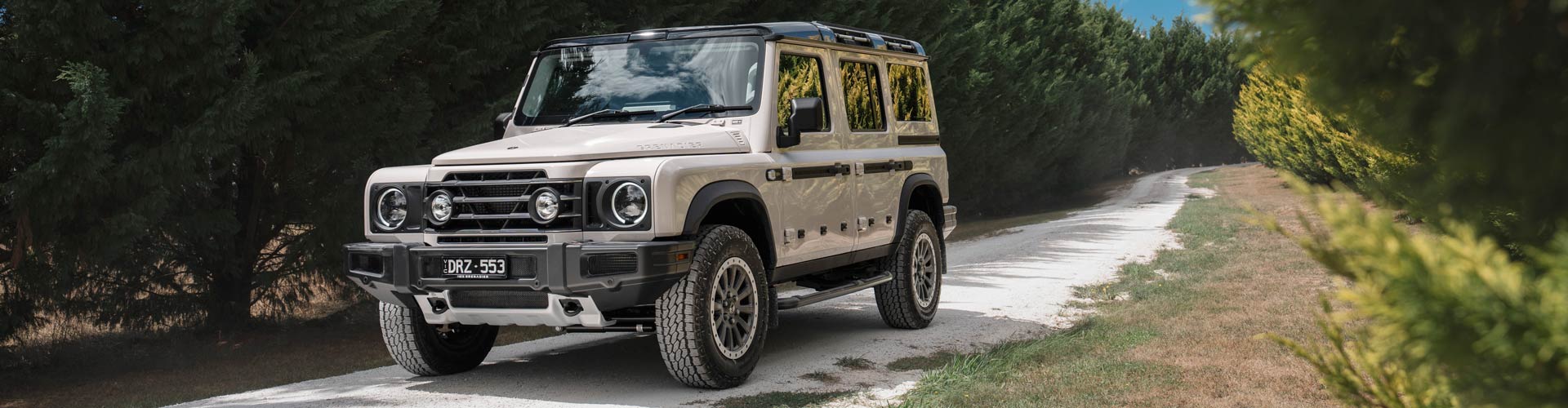
For a brand that started out life in the pub – on the back of a £5 note, no less – Ineos sure has had a meteoric rise over the past nine years.
The British-owned and French-built duo of Grenadier and Quartermaster have been shipped to dozens of different markets, even though they’re faced with emissions pressures, trade tensions and no shortage of competitors in the toughest new-car climate to date.
In Australia, Ineos has overcome some initial delivery delays to become a success in its own right, registering more than 3000 vehicles on our roads during its almost three-year foray.
For 2026, the Ineos Grenadier and Quartermaster ranges receive modest updates in the form of upgraded air conditioning and a tweaked power steering system. As before, the pairing’s most robust elements are central to their charm.
How much does the Ineos Grenadier cost?
The Ineos Grenadier wagon opens at $106,000 plus on-road costs in Australia for a utilitarian two-seat version, while the five-seat range starts at $107,000 plus on-road costs.
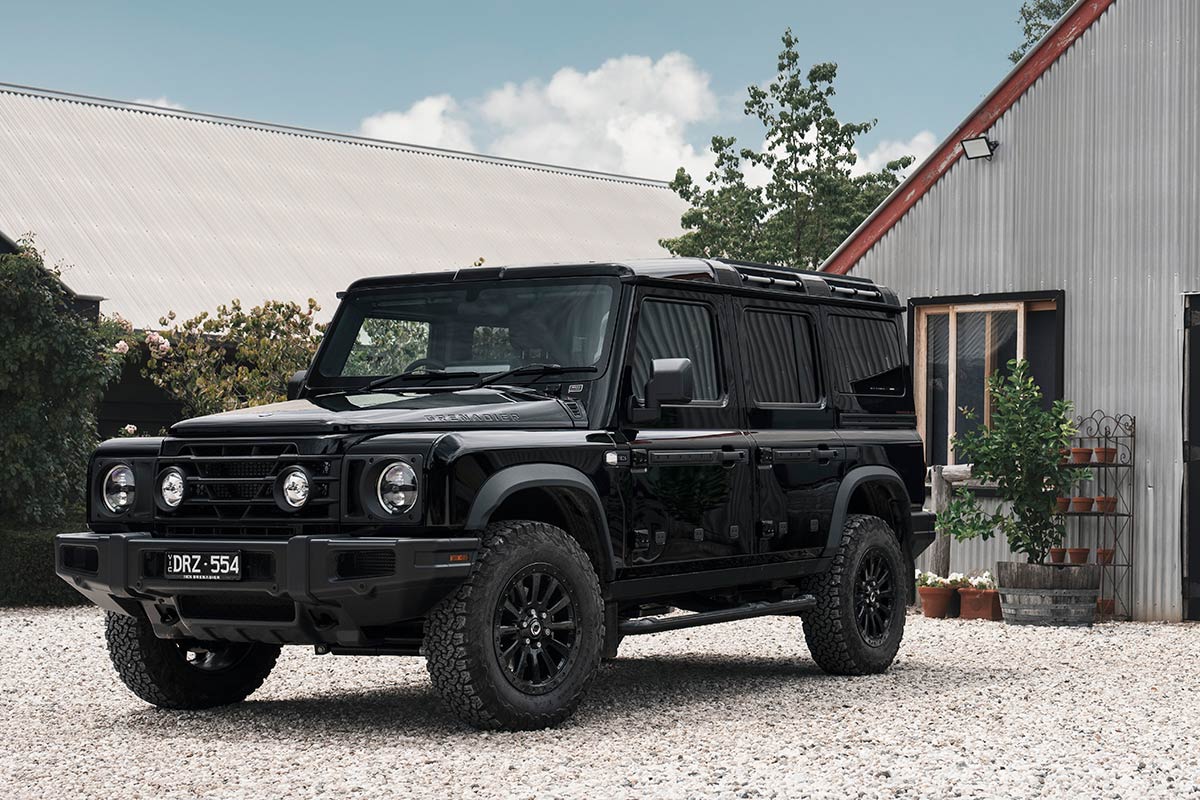
Better-equipped Fieldmaster and Trailmaster versions of the Grenadier start at $119,000 plus on-road costs, while a new Black Edition versions costs $122,000, adding (as the name suggests) black cosmetic upgrades inside and out.
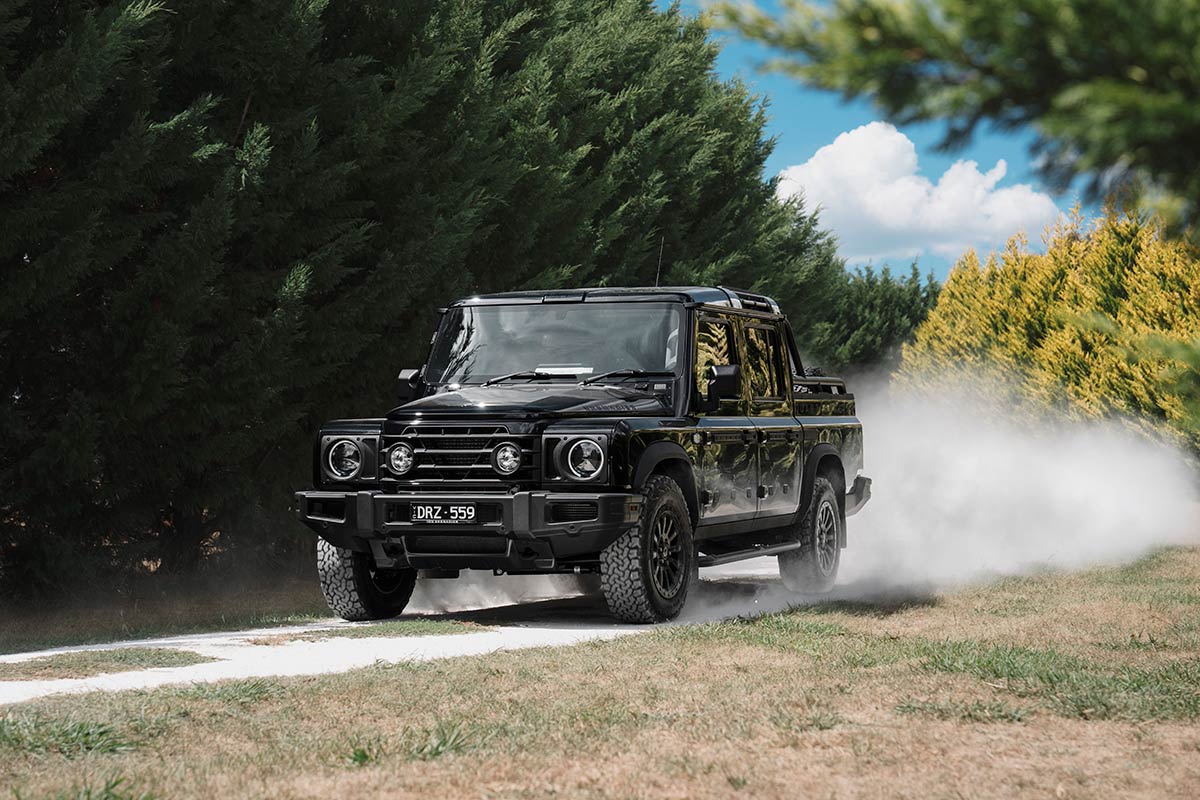
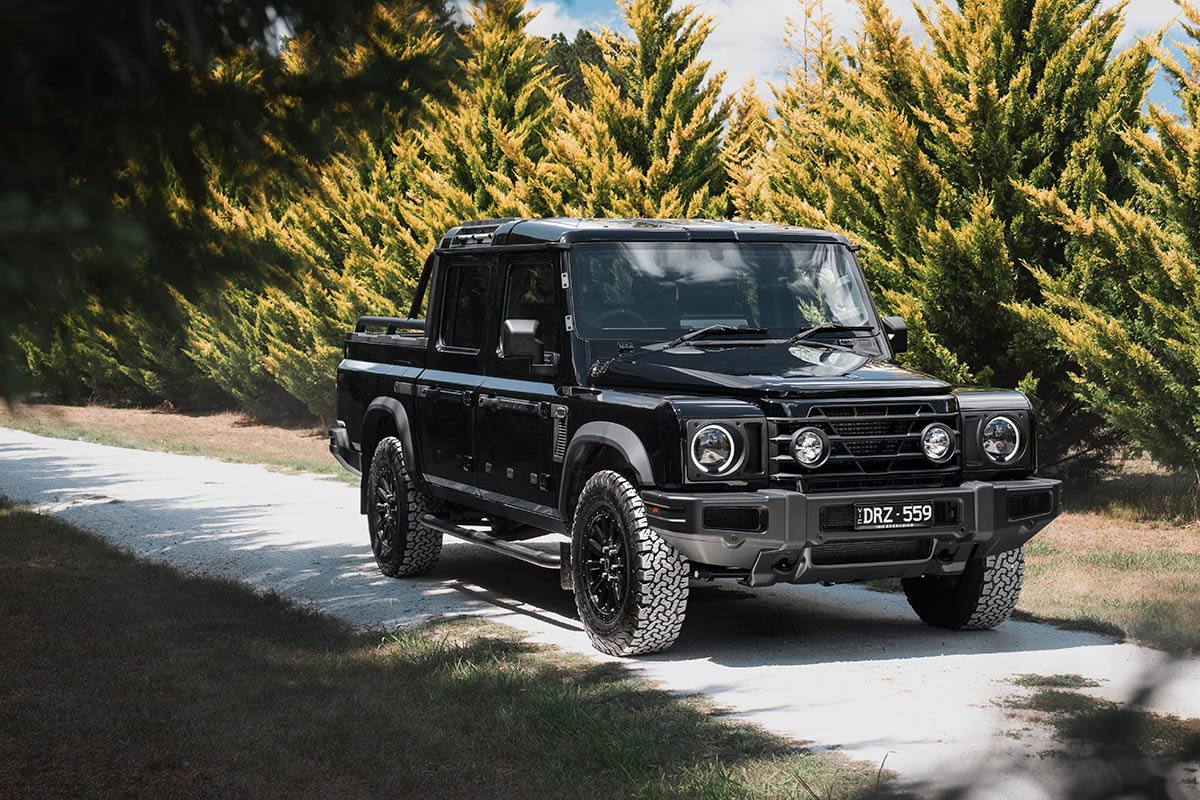
Meanwhile, the equivalent Ineos Quartermaster cab-chassis ute range opens at $105,000 plus on-road costs for the most basic version, stretching to $122,000 for the limited-build Black Edition. At the time of writing, the Quartermaster is being offered for a promotional price of $99,000 drive away with a Norweld tray.
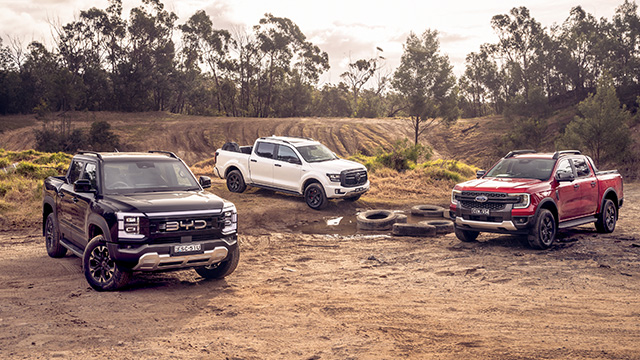
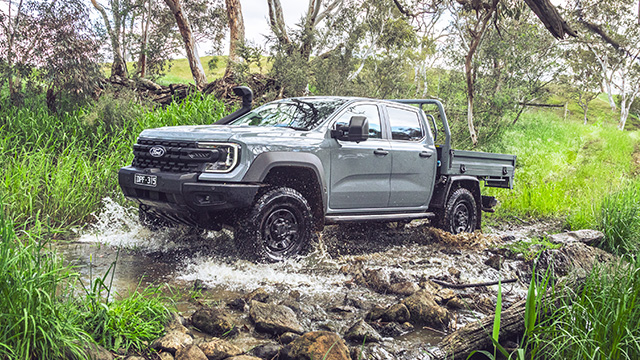
At those prices, the Grenadier and Quartermaster align with utilitarian models including the Toyota LandCruiser 76 Series (from $75,600 plus on-road costs) and 79 Series double cab (from $77,300 plus on-road costs), as well as vehicles like the Ford Ranger Super Duty (from $82,990 plus ORCs).
The elephant in the room here is Ineos’ long-term prospects. When a company is in its infancy like INEOS, nothing is guaranteed and difficult financials have been laid bare for all to see: in late December the company shed “several hundred” staff off the back of a reported of £1.2bn in cumulative losses. Something to be mindful of for prospective buyers.
— Sam Charlwood
What is the Ineos Grenadier like inside?
Unlike anything else you’ll find on the new car market. And in a good way.
Climbing into the Grenadier offers the first clue – side steps and a fairly lofty entry point with door apertures on the smaller side.
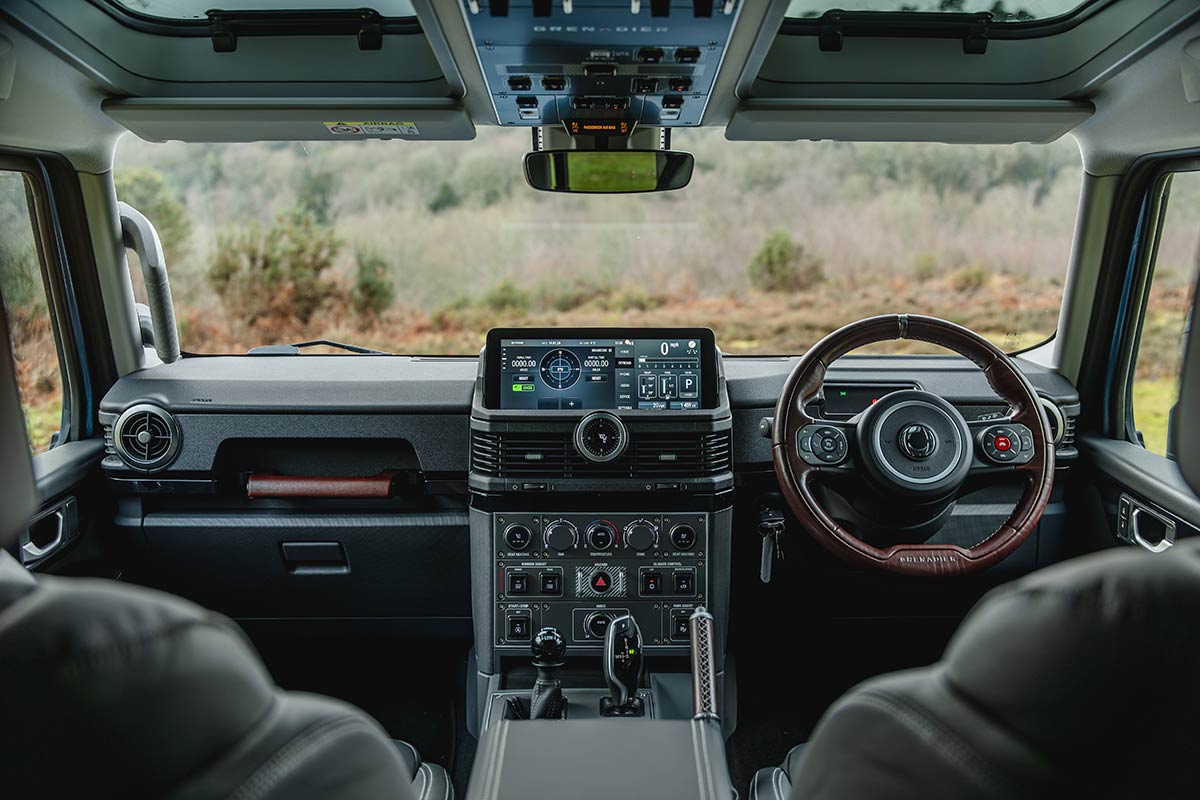
Inside, however, the Grenadier blends quality materials with hands-on tactility, complete with a dashboard centre fascia festooned in buttons, and a roof console that looks as though it has been lifted from an Airbus A380. The design details are very unique: lots of push buttons, easy access to air conditioning controls, and inherent off-road focus courtesy of an in-built compass and elevation readouts, plus an old-school low-range lever.
Drilling deeper, Ineos has done all the groundwork around pre-wired control panels and provisions for auxiliary batteries and controllers – great for bolt-on mods. There’s even a cute ‘toot’ horn function for cyclists, a nod to the brand’s big investment in the sport.
Those traits are interspersed with soft touch contact points, including handily positioned, heavily padded door cards that are perfect to rest your elbow on. The front Recaros are also comfy and supportive on longer journeys.
Ineos has a keen eye for dirty details. You can literally hose out the floor to clear mud and debris, with drain valves dispersing unwanted water. All the doors shut with an authoritative clunk, and Ineos claims you can remove and replace about 350 body panels with minimal fuss.
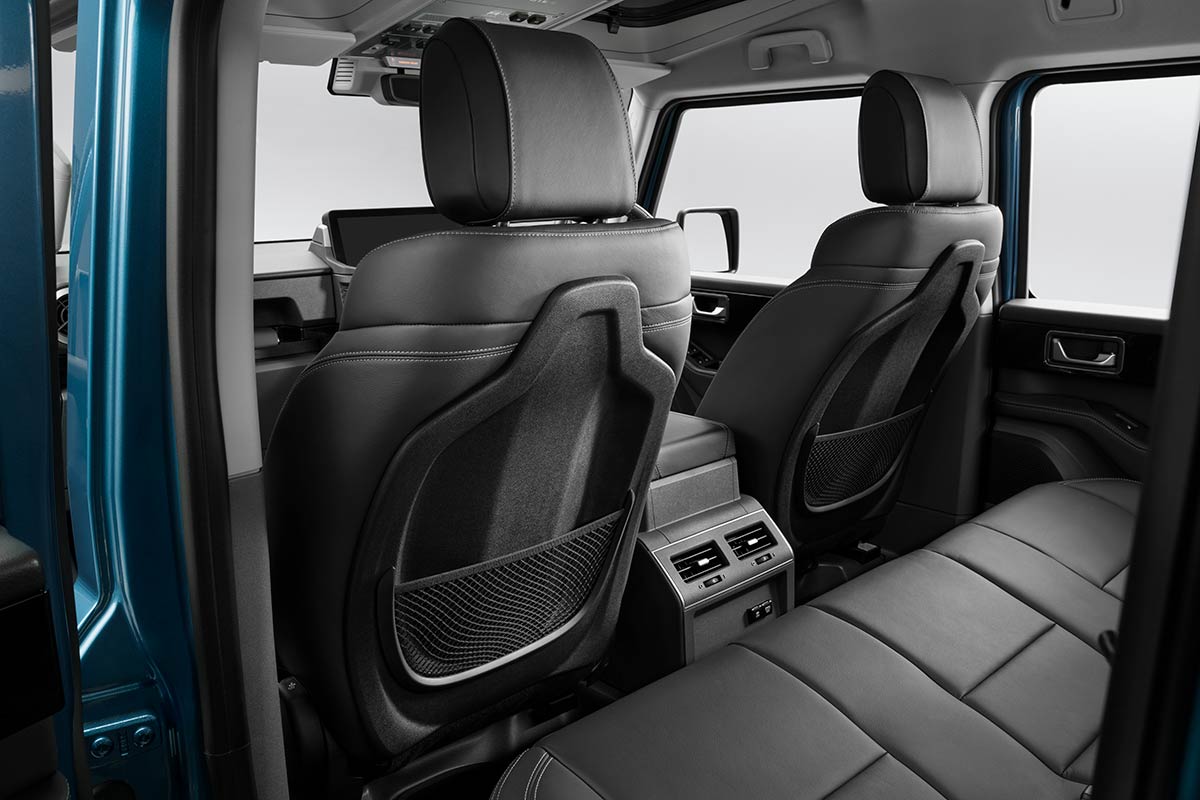
Interior space is quite plentiful across both rows, and a vast window line gives the vehicle a natural lightness and feeling of capaciousness. There are air vents across both rows of seating, as well as numerous charging points.
That said, the interior isn’t without compromise. The front seats are positioned on the outer extremities of the cabin – just like an old Land Rover Defender – and feel quite perched in their positioning.
As a result, we could never get the compromise between seat height and steering wheel tilt angle quite right. Furthermore, the transmission tunnel and an oversized footrest – a legacy of the car’s requirement for right-hand drive and left-hand drive globally – heavily compromises the driver footwell.
Two individual sunroofs in the front row (one for each occupant) are another potential annoyance. While they endow the cabin with great natural light, there is no sun protection offered, meaning you’ll be on a first-name basis with your hat or sunscreen during longer days in the saddle.
The Grenadier’s BMW-based infotainment system is easy enough to use and feels distinctly muted in its integration in the vehicle (an expansive screen with bright icons wouldn’t really match the décor, let’s be honest). The minimalism means there is no traditional instrument cluster, with the speedometer and other crucial gauges confined to the central screen (ala Tesla). In lieu of that there is a basic screen in front of the steering wheel bearing engine icons and potential warning lights.
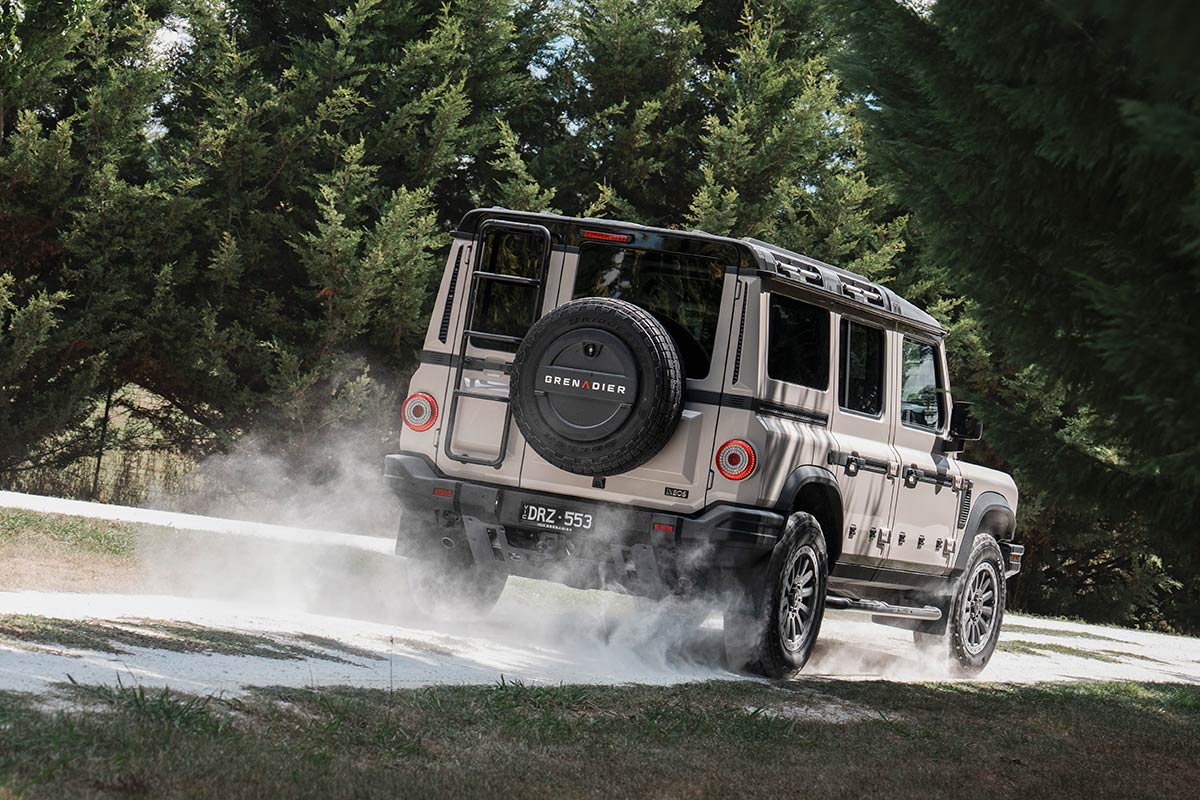
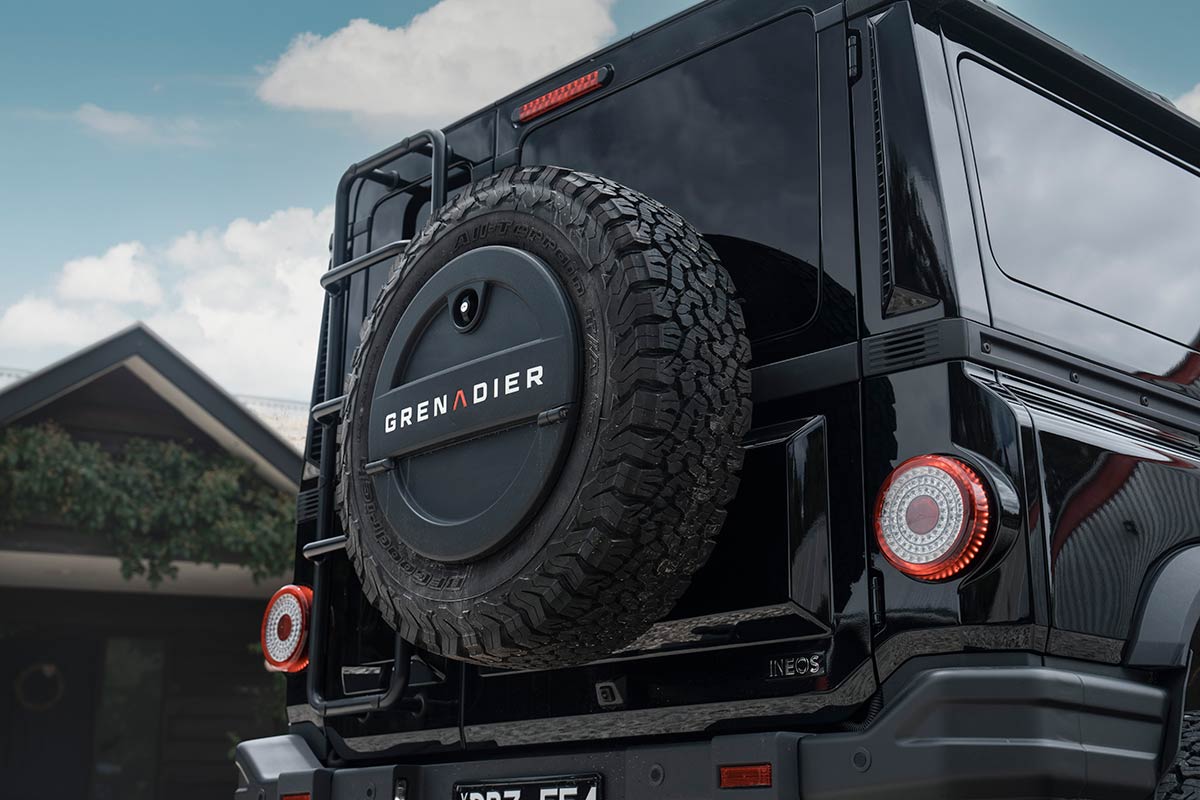
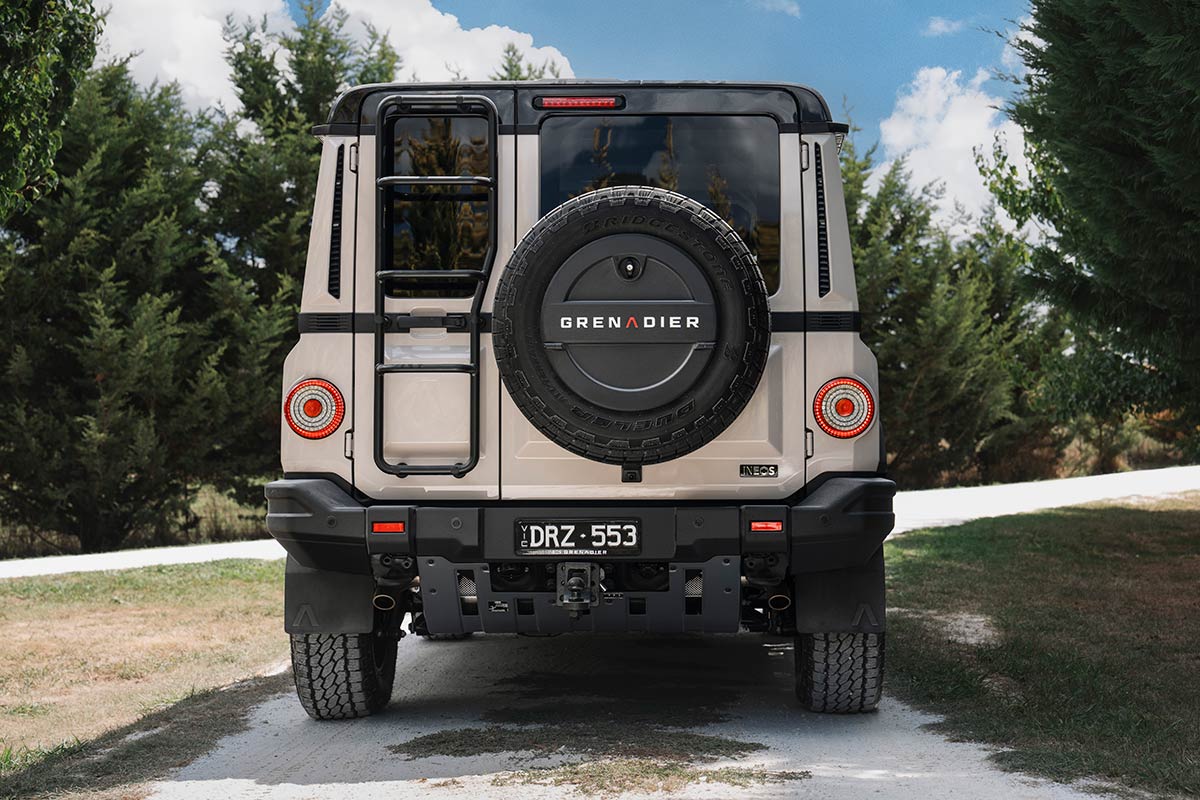
The Grenadier’s boxy profile liberates a boot area with more than enough space for a weekend adventure.
As for the ute-back Quartermaster, the Ineos is missing some key items: no tailgate assistance (meaning clunky tailgate operation), no standard lighting, and a sparse selection of tie-down points.
What equipment does the Ineos Grenadier come with?
Though the price of entry isn’t exactly cheap, the Grenadier bundles in a decent suite of equipment – all cleverly masked by its old school 4x4 veneer.
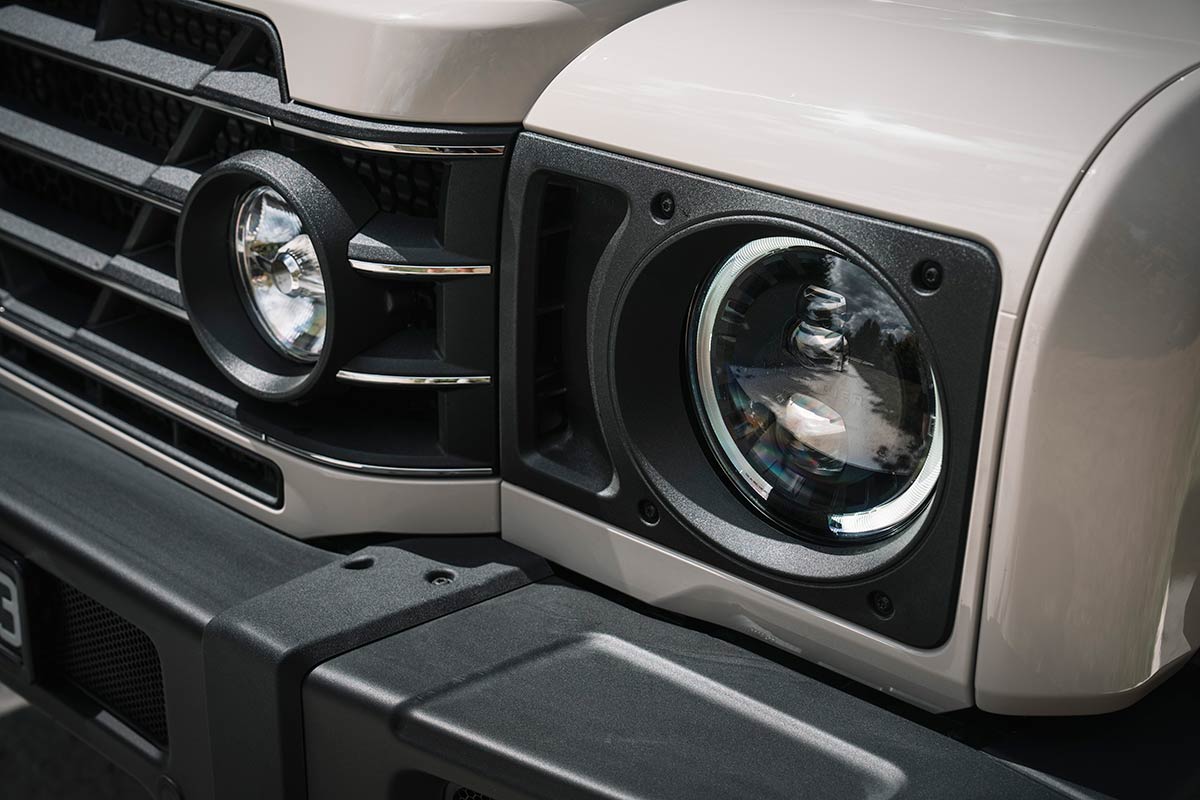
Basic kit includes LED headlights, daytime running lights and tail lights, 17-inch steel wheels, front and rear tow hooks, central locking, turn-key start, cloth seats, a manual handbrake and an infotainment suite comprising a 12.3-inch centre touchscreen display with Apple CarPlay and Android Auto.
Moving up through the grades introduces niceties such as ambient lighting, leather seat trim and more.
Ineos says customers spend an average of $5000 on Grenadier accessories upon purchase, and looking at the category it’s easy to see why – 4x4s are ripe for customisation, and the Ineos basks in such spending. Among the options are an accessory ladder, differential locks front and rear ($3085), and larger alloy wheels.
When it comes to aftersales provisions, the Ineos happily keeps paces with peers. A standard five-year warranty is included, while servicing is set every 12 months or 15,000km. Servicing costs over the first five years are slated between $4600 and $4900 depending on model.
How safe is the Ineos Grenadier?
The Grenadier is safe by conventional standards, complete with clever driver electronics, six airbags, stability control, trailer sway control and a safe structure.
But here’s the kicker: because of its 3550kg GVM, Australian models deliberately untick the box for modern driver aids (including autonomous emergency braking). It’s a key reason why Ineos has been so successful in Australia thus far, according to officials – buyers don’t want the hassle that comes with modern safety beeps and bongs.
Driving the Grenadier, it’s hard to disagree. It harks back to a simpler time, where your main concern was the road ahead, not the often needless alarms and chimes commanding your attention.
The Grenadier’s NB1 safety rating is the loophole which allows Ineos to circumvent safety regulations. As you’d expect, it currently isn’t crash tested by ANCAP.
What powers the Ineos Grenadier?
You have a choice of two engines in the Ineos Grenadier – and both are sourced from BMW.
Yep, powering the Grenadier and equivalent Quartermaster ute is a choice of Bimmer’s B57 3.0-litre inline turbo six-cylinder diesel, or B58 3.0-litre inline turbo six-cylinder petrol – outputting 183kW/550Nm and 210kW/450Nm respectively. Ineos says the diesel accounts for 90 per cent of sales.
Both engines have been tweaked mildly to set them apart from their BMW counterparts, with lower rev ceilings and different tuning design to extend driveline longevity. An eight-speed torque converter automatic transmission does duty in both, with the option of high-range and low-range four-wheel drive and a centre diff lock as standard.
Underneath, the Grenadier employs a ladder frame chassis and live axles – and the equivalent numbers say as much, with a 3500kg braked towing capacity, close to 1000kg payload across Grenadier and Quartermaster models, 800mm water wading depth and more.
For 2026, the Grenadier employs a new steering box with a variable ratio, which has been lowered around the central steering position for a “tighter, firmer feel”, particularly at higher speeds.
What is the Ineos Grenadier like to drive?
The Ineos Grenadier marries all the attributes of a proper ladder-frame off-roader (including an incredible skillset on dirt) with a robust on-road bent.
The Grenadier still hits all the important marks of a modern-day vehicle even though it’s a specialist off-roader. Key to this is what’s under the bonnet.
The BMW-sourced engines are the glue that makes the entire package work, providing a drive experience that is effortless rather than a chore, with excellent around-town conveyance, smooth gear shifts, and utmost big-engine refinement.
The diesel offers the broader torque band of the two while the petrol brings added mid-range punch and outright grunt in the upper echelons – think a nought to 100km/h time of 8.8 seconds.
In either guise, the Grenadier happily pulls strongly around town and makes light work of rounding up other vehicles before the overtaking lane ends. While we didn’t tow on test, the bones of a strong tow vehicle are definitely present.
The revised power steering box has injected a newfound sense of calm at higher speeds. You are no longer required to make so many small adjustments, and the steering has a more natural feeling when returning to centre. It’s noticeably heavy at lower speeds, a trait you soon become accustomed to.
Braking performance is generally quite good, while the Ineos’ glasshouse design means coming to grips with its 5.4-metre length is easy enough.
Naturally, though, in a vehicle offering such a utilitarian focus there are some idiosyncrasies. Along with the aforementioned seating position, the driver needs to learn to contend with a bulky A-pillar and B-pillar – which together can make intersections a tad tricky.
The other talking point is bump compliance. While the Grenadier feels controlled and civilised, it is afflicted with a low-frequency vibration on the open road and isn’t the quietest cabin environment – a direct result of its live axle-coil sprung configuration underneath.
That said, it’s in a different league to like-minded vehicles for outright comfort (Toyota LandCruiser and old Land Rover Defenders especially) and feels less ponderous than vehicles like the Jeep Wrangler. Plus, the occasional on-road misstep is a small compromise when you consider the Grenadier’s prodigious off-roading ability.
Across a full day of increasingly difficult bush tracks, the Grenadier didn’t put a wheel wrong: excellent throttle response, incredible wheel articulation and remarkable approach and departure angles offer ample foundations. When you factor in the electronics underneath, the two-speed transfer case and the optional front and rear lockers, it makes for a pretty unstoppable combination. In fact, we conquered every off-road obstacle on test in high-range 4WD and without engaging the diffs. Clearly, there’s scope for even trickier terrain.
We will reserve judgement on the equivalent Quartermaster dual-cab ute for another time, when we can put it to the test under tow and under load.
When it comes to fuel use, we averaged 14.0L/100km in a mix of conditions in the petrol version, and 11.7L/100km for the diesel – meaning decent trips between emptying its 90-litre fuel tank.
Open Road’s take on the Ineos Grenadier
The Ineos Grenadier is the simple creation we all yearn for, fitted with all the creature comforts you’d expect at this price point minus all the annoying add-ons.
There are obvious compromises around the Grenadier’s driving traits and cabin fit-out, but in time we believe prospective owners will come to see these as charms. We certainly did.
While Ineos as a company has obvious challenges in front of it, the Grenadier is a great example of adapting an old-school ethos into the modern-day vehicle. A purist 4x4 in 2026, if ever there was one – just so long as you can afford the price of entry.
What we liked
- Prodigious off-road ability and robust build quality
- Selection of BMW engines together with analogue feeling is rare in 2026
- Improved power steering removes predecessor’s straight-line fussiness
What could be better?
- Off-road origins cannot be completely masked on-road
- Steep price of entry means many will never consider one
- No instrument cluster and compromised seating adjustment