
EV batteries: must-knows before you buy or sell

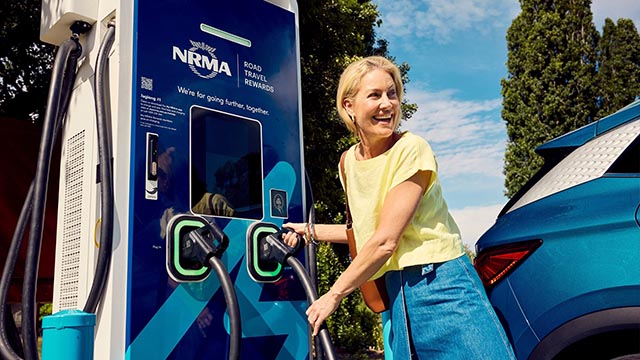
As more Australians switch to electric vehicles, the used EV market is growing too, with early adopters now trading up to newer models.
Whether you’re buying or selling, the biggest question is always the same: what condition is the battery in?
The battery is the heart of an EV. Unlike the battery in a petrol or diesel car, it can account for up to half the vehicle’s value. Its health determines how far you can drive between charges, how quickly it recharges and what the car is worth.
Two EVs of the same age and kilometres can have batteries in very different conditions, depending on how they’ve been charged, driven and stored.
This guide answers the most common questions buyers and sellers ask about used EV batteries, including how to check their health.
| In short: |
|---|
|
Buying a used EV? What to know before you commit
Australia’s used EV market is surging, with purchases jumping 54.6 per cent in the first half of 2026.
When you buy a used electric vehicle, the battery matters more than almost anything else, because replacing it can cost several thousand dollars. Here are some common questions about EV batteries when you buy:
What should I check before buying a used electric vehicle?
Buying a used EV? Start by checking the battery's state of health (SOH), then look at how the car has been charged, driven and maintained. The main factors are:
- Battery state of health: a percentage showing how much capacity the battery holds compared with when it was new.
- Real-world range: compare the distance the car can travel now with its original rated range.
- Charging history: ask whether the owner charged mostly at home overnight or used a lot of fast chargers.
- Service and software records: regular servicing and software updates support battery performance and charging efficiency.
- An independent battery report: ask the seller for a recent test result, or arrange one yourself from a provider like the NRMA.
You should still check the usual things before you purchase an EV, such as tyres, brakes, bodywork and logbook.
How do I check the battery health of a used electric car?
The most reliable way is an independent battery health check that reads data directly from the car's battery management system. With this check, a technician plugs a diagnostic device into the car's on-board diagnostics (OBD) port and measures the battery's state of health.
The range estimate shown on the car’s dashboard is a useful starting point, but it isn’t a reliable test. It shifts with temperature, driving style and recent use, so it can make a tired battery look better, or a healthy one look worse, than it really is.
With an NRMA EV Battery Health Check, an NRMA Patrol comes to wherever the car is, runs the test and produces a detailed report within minutes.
How do I know if a used EV battery is in good condition?
You’ll know a used EV battery is in good condition when a test shows that its state of health is in line with, or better than, other vehicles of the same make, model and age. A single SOH number means little on its own. Context tells you whether it's healthy and if the vehicle is worth the asking price.
That's why a good battery report compares the result against similar vehicles. A report from the NRMA gives a clear score out of 100, benchmarks it against similar EVs and certifies whether the battery is in good condition.
Other positive signs of a healthy battery include consistent range on familiar trips, normal charging behaviour, and a history of charging in line with manufacturer recommendations. If you’re buying a vehicle, ask the seller how far they can usually go on a single charge, but request a professional check to back up their answer.
How much battery degradation is normal in a used EV?
EV batteries wear out over time like everything else, but they are designed and expected to last at least ten years. As they degrade, they need charging after shorter distances, much like a smartphone that starts running flat by mid-afternoon after a few years of use.
How much degradation is normal depends on the model, its age and how it has been used. Frequent fast charging, regular charging to 100 per cent and exposure to extreme heat or cold can all speed up wear. This is why battery health can vary widely between otherwise similar cars.
The best way to judge whether an EV battery is degrading at a ‘normal’ rate is to compare the car's SOH with similar vehicles. This is included as part of an EV Battery Health Check from the NRMA.
Should I get an EV Battery Health Check before buying a used electric car?
An independent battery health check is one of the smartest steps you can take before buying a used EV. It tells you the true condition of the car's most valuable component before you commit.
A check helps you:
- Avoid buying a car that needs an expensive battery replacement down the track
- Confirm the car will travel the distances you need between charges
- Negotiate a price based on real data and benchmarks
- Buy knowing the vehicle has been assessed by a professional
An NRMA EV Battery Health Check is available in Sydney metro and Canberra. It costs $250 for NRMA members and $300 for non-members, and an NRMA Patrol comes to you, completing the check in a matter of minutes.
Read more: Guide to buying a used EV in Australia
Selling a used EV: how to prove your battery's value
EV buyers know the battery is the most expensive part of the vehicle, and many are cautious about how much life is left, even though a 2025 report found most EVs in Australia still had around 96 per cent on their state of health checks. If you can confirm your battery is in good shape, you’ll put yourself in a stronger position to sell.
Preparing to sell? Take a look at these questions:
Does EV battery health affect the resale value of my car?
Yes. Battery health is one of the main factors in a used EV's resale value. The battery can be worth up to half of the car's total value, so its condition directly affects the amount buyers will pay.
A battery with a strong state of health can travel further between charges and has lower risk of major repair or replacement costs. Buyers will pay more for that certainty. If they can't verify the battery's condition, they're more likely to offer less to cover the risk, or move on to a car that has been tested.
How can I prove my EV battery is in good condition?
The clearest proof of EV battery health is an independent battery health report. A dashboard range reading or your word alone won't carry much weight with a cautious buyer, but a certified result from a trusted third party will.
Before you list your car for sale, request an NRMA EV Battery Health Check. You’ll receive a report with a score out of 100, a comparison against similar vehicles and a certificate confirming the battery's condition.
Back this up with your service records, software update history and details of how you've charged the car. If you've mostly charged at home and kept the battery between 20 and 80 per cent charged most of the time, let your buyers know, as these habits help protect battery health.
You don’t have to be a member of the NRMA to request an EV battery health check, but members receive a discount on the cost.
Should I get an EV Battery Health Check before selling my car?
Yes. Getting a battery health check before you list your EV gives you accurate information to set your price and evidence to support it when buyers come for an inspection.
The check will let you know exactly where your battery stands compared with similar vehicles, so you can price your car fairly and with confidence. You can also share the report upfront, rather than waiting for a buyer to ask questions you can't answer.
The NRMA provides EV battery checks that are quick and convenient. An NRMA Patrol comes to your home or workplace in Sydney metro or Canberra, the test takes minutes, and the report is emailed to you straight away.
Can an EV Battery Health Check help me sell my car?
Yes. An independent battery certificate can help you sell faster and support a stronger price. It answers the question every EV buyer has before they've even asked it.
A battery report will help you:
- Supply your buyer with information upfront
- Justify your asking price
- Reduce drawn-out negotiations and price haggling
- Attract more serious, informed buyers
Include the result in your listing and have the certificate ready to show at inspections.
Read more: Which EV car batteries perform best?
How can I give buyers confidence when selling my used electric vehicle?
Be open and back up your claims with evidence. Buyers feel confident when they can see the car's history and verify the battery's condition for themselves.
To give your buyer more confidence:
- Share a recent, independent battery health report and certificate from a trusted provider like the NRMA (for Sydney and Canberra)
- Provide full service records and the logbook
- Confirm the car is running the latest software
- Explain how and where you've usually charged the vehicle
- Be upfront about real-world range in different conditions
The NRMA EV Battery Health Check, developed with EV diagnostics specialist AVILOO, costs $250 for NRMA members and $300 for non-members. It's a small investment that can protect your car's value and help you sell with confidence.
Based in Sydney or Canberra? Book an EV Battery Health Check and the NRMA will come to you.


