
Top 6 reasons to buy an electric vehicle
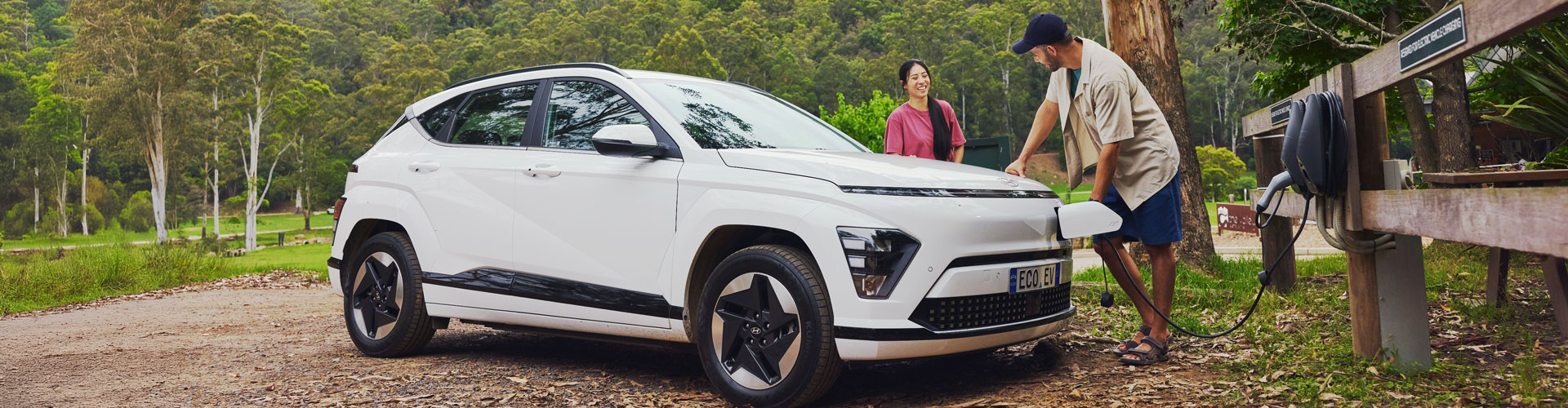
Australians thinking of buying an EV are flooded with information and opinion as the cars have become more popular, cheaper, and widely available in Australia.
With more EV models set to enter showrooms this year, and more Australian buyers seriously considering them alongside internal combustion engine (ICE) and hybrid vehicles, we present the top six reasons why you should make an EV your next car...
1. Lower running costs
Price used to be a real stumbling block for EVs because production costs were higher. But with China scaling up production and worldwide interest in EVs growing, costs have come down so much that a number of electric vehicles are now available for less than $30,000.
And, given EVs have drastically lower running costs – due to their simpler maintenance schedule and cheaper refueling – owners can expect any initial higher cost to absorbed and even surpassed over the lifetime of the vehicle.
Figures published in 2024 suggest that on average, EV owners save from $810 to $1400 each year, providing savings of up to $7000 in just a five-year ownership period.
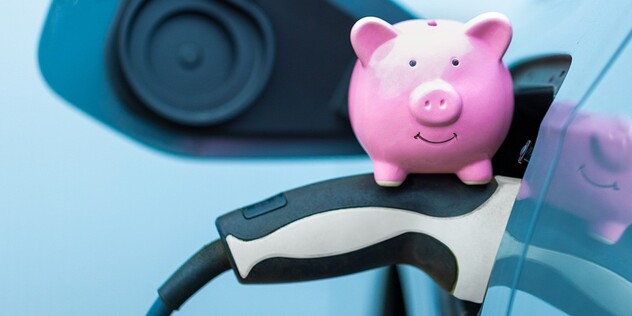
Planning on doing a lot of urban driving? These savings could be even greater, with the average electric car costing just $4 to power per 100km travelled, versus ICE vehicles which average $14/100km in fuel costs.
At 20,000km driven each yearly, this is a saving of approximately $2000, meaning EV owners could be saving $10,000 on fuel alone in just five years.
2. Increased fuel security and infrastructure stability
The current situation in Iran has reignited concerns over Australia’s reliance on importation of crude oil and our vulnerability to these imported goods, which can result in huge price hikes and lack of supply.
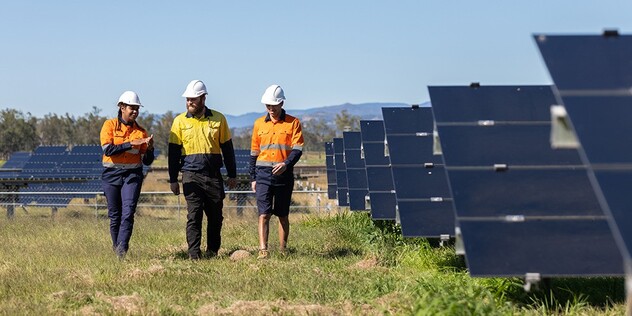
The move to EVs does away with these concerns, as the electricity EVs use is produced within Australia – be it from conventional methods or emerging, greener technologies such as wind and solar.
3. More economic opportunities
The batteries used in EVs are made primarily of lithium, and a little-known fact is Australia is the world’s largest exporter of lithium. In fact, the amount of lithium Australia mines and exports is more than double that of its nearest competitor, Chile.
As it’s the primary material used in the production of EV batteries, the demand for lithium will increase as the popularity of the electric car does – and this will result in more economic opportunities for Australia.
4. Help meet Australia’s emissions target
Australia has committed to net zero by 2050, and EVs will play a crucial role in achieving this target.
Transport accounts for 18 per cent of Australia’s total greenhouse gas emissions – 85 per cent of which comes from road-bound vehicles, with cars contributing almost half of that.
The average new ICE vehicle produces approximately 185g CO2/km, whereas an average new EV is accountable for only 98g CO2/km if charged from the current electrical grid.
While a switch to EVs today already means a 47 per cent reduction in CO2 emitted, this figure is only set to rise as Australia and its electrical grid becomes less reliant on dirty sources or energy such as coal.
This CO2 emission figure is also reduced to zero if EV owners make use of rooftop solar energy to recharge.
5. Driving experience
With a near-silent powertrain, no smells, and supreme smoothness, the EV driving experience simply cannot be matched by ICE vehicles when it comes to comfort and refinement.
Enthusiasts may long for a sporty induction or exhaust note, but the instant torque EVs deliver from any speed is enough to win many over.
Most of the fastest production cars in the world are now fully electric. Comfort and torque on tap, what more could you want?
6. A healthier community
When speaking of the environmental benefits of EVs, we tend to focus on greenhouse gas emissions and ethical mining. But they also have more microscopic benefits – both literally and figuratively.
The OECD estimates that approximately half of all air pollution in member countries is due to motor vehicles. ICE vehicles produce tailpipe emissions which include unburned hydrocarbons, carbon monoxide, nitrogen oxides and particulate matter – all known carcinogens
While EVs may not be entirely ‘green’ in their production or if charged from the grid, pedestrians and communities can benefit from vehicles passing by them at a street-level not emitting the harmful chemicals listed above.
So, should I buy an EV?
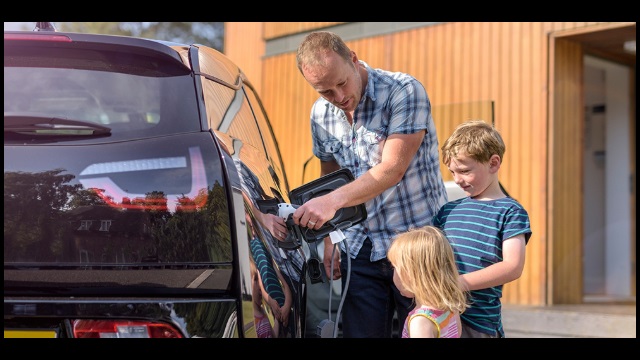
Driving an EV is great fun and it produces much less CO2 overall. More public chargers are being rolled out across the country and new vehicles are being added to the market. In fact, EV owners are in a much better position than pioneering ICE motorists from 100 years ago, who were looking for the next waypoint where they could purchase petrol.
While relatively convenient home charging points and generally higher prices might be deterrents for some prospective buyers, the case for an EV is better than ever before. Use our buying guide to understand which electric vehicle might suit you.


