Car sales February 2026: China takes over

- Chery, GWM and BYD leading Chinese sales charge
- Toyota still clear leader despite market share slump
- Record month for electric vehicles
According to the latest monthly figures from VFACTS, more new cars sold in Australia during February 2026 came from China than any other country, with Japan falling to second place for the first time in almost 30 years.
Japan has been the leading source of new Australian cars since it assumed the mantle from locally built vehicles back in 1998.
In February 2026, 22,362 vehicles sourced from China were sold in Australia, surpassing Japan (21,671), Thailand (19,493) and South Korea (11,913).
Due to deregulation, the Australian car market is among the most diverse and fast-changing in the world. Ten new brands have entered the Australian market since 2020 and nine of those were Chinese.
Overall vehicle sales for February 2026 saw a dip on the same month in 2025, from 94,993 down to 90,712. Every state and territory recorded fewer sales, the ACT suffering the biggest drop from 1460 to 1187 (down 18.7 per cent).
Toyota comfortably maintained its position as market leader in February 2026 with 13,606 sales, well ahead of Mazda (7042), Ford (6907), Kia (6710) and Hyundai (6266).
That said, Toyota saw one of the biggest slumps in year-to-date total sales, from 37,256 in February 2025 to just 27,916 in February 2026 – nearly a five per cent dip in market share.
Its mega-selling mid-sized SUV, the Toyota RAV4, was also noticeably absent from the top 10 list, selling just 723 during February.
Top-selling cars in Australia – February 2026
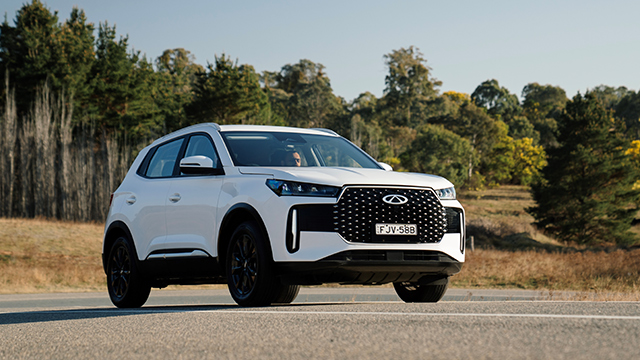
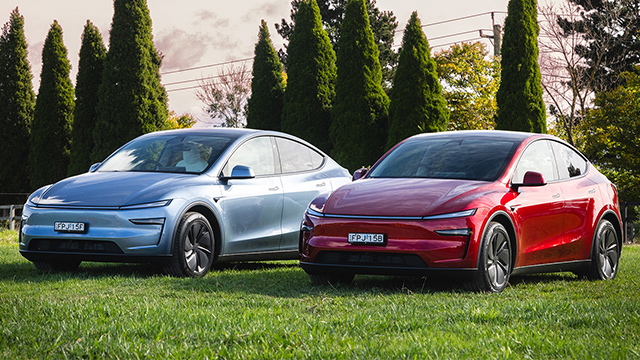
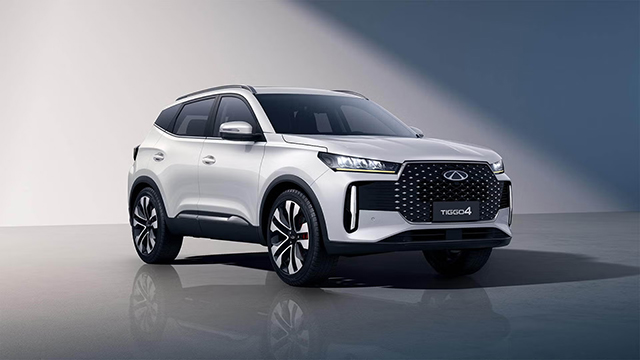
The unstoppable rise of Chinese-made vehicles in Australia is reflected in the top 10 list for February 2026, with the Chery Tiggo 4 (2315 sales) and Chinese-built Tesla Model Y (2791) only trailing ute stalwarts the Toyota HiLux (3625) and Ford Ranger (4325).
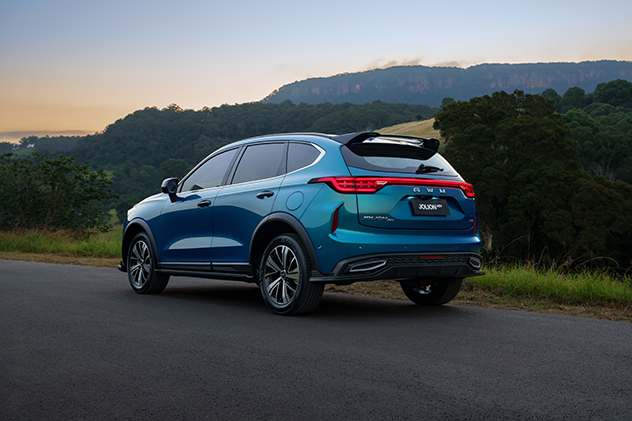
The Haval Jolion from Chinese maker Great Wall Motors (GWM) also made an unexpected appearance in the top sellers list, ranking at number ten (1804 sales) and pipping the Ford Everest (1778).
The growing dominance of Chinese brands in Australia is even more evident when February 2026 figures are divided by marque, with Chery, GWM and BYD now making up three of the top 10 spots and MG only just nudged out by Tesla.
Top 10 bestselling models for February 2026
| Make and model | Units sold |
| Ford Ranger | 4325 |
| Toyota HiLux | 3625 |
| Tesla Model Y | 2791 |
| Chery Tiggo 4 Pro | 2315 |
| Mazda CX-5 | 2099 |
| Isuzu D-Max | 2092 |
| Mitsubishi Outlander | 2070 |
| Hyundai Kona | 2023 |
| Mitsubishi Triton | 2017 |
| Haval Jolion | 1804 |
Top 10 bestselling marques for February 2026
| Marque | Units sold |
| Toyota | 13,606 |
| Mazda | 7042 |
| Kia | 6710 |
| Ford | 6907 |
| Hyundai | 6266 |
| BYD | 5323 |
| GWM | 4689 |
| Mitsubishi | 4755 |
| Chery | 3938 |
| Tesla | 3271 |
Record market share for EVs in Australia
EV sales hit a record 11.8 per cent market share for February according to figures from the Federal Chamber of Automotive Industries, and the true total is even higher as VFACTS does not include sales from Tesla, which moved more than 3000 units during February.
After a rather quiet January in which just 288 Tesla Model Ys found buyers, February proved a bumper month with 2791 sold (and 483 Model 3s adding to Tesla’s overall tally).
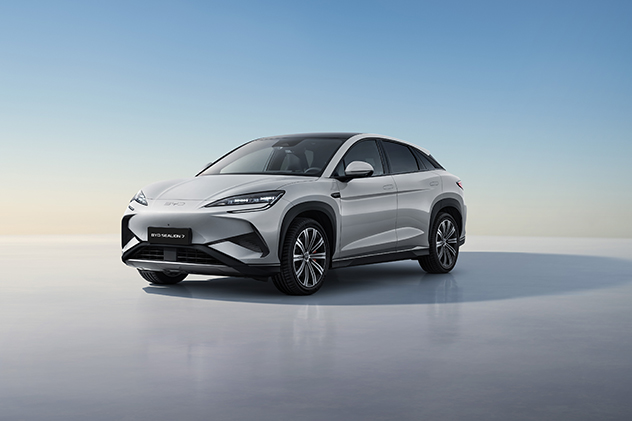
BYD continues to expand its EV market share as well, following up an impressive 1171 sales of its BYD Sealion 7 SUV in January with 1327 sales in February.
That’s in addition to BYD’s many other electric vehicle models, which together sold nearly 1300 units during February.
The EV price wars are starting to bite for some of the ‘legacy’ EV brands such as Kia, which saw a drop in sales from 400 (Feb 2025) to 280 (Feb 2026) for its biggest seller, the EV5, and only modest numbers for its other EV models.
In fact, the Kia EV5 was outsold by Chinese newcomer Zeekr, which moved 628 units of its Zeekr 7X in February for a year-to-date sales total of 1046.
Another Chinese brand, Geely, also posted a solid total for a new-to-market contender, selling 416 EX5 EVs during February.