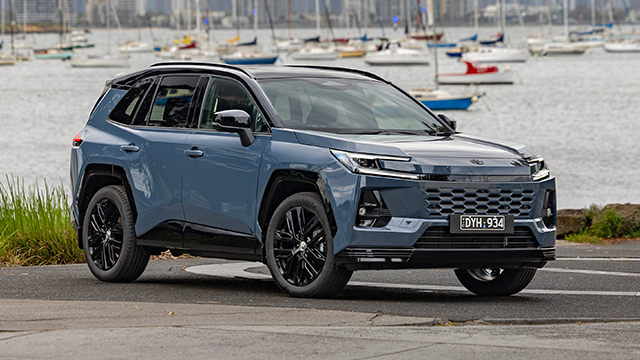
2026 Toyota RAV4 vs BYD Sealion 6 vs Mazda CX-5 – Mid-size SUV comparison

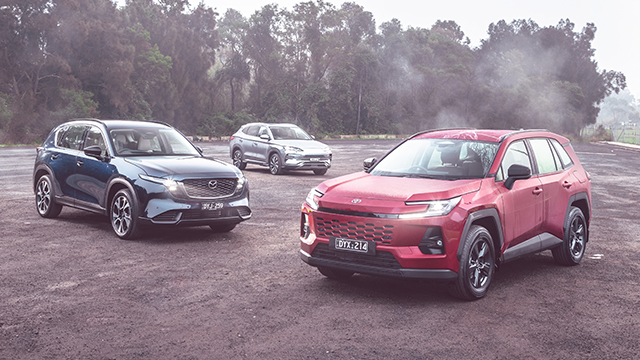
The mid-size SUV segment is enduring its biggest shake-up yet – and consumers are the unequivocal winners.
There’s an argument to say the mid-size SUV segment in Australia has broadened in the same way our culinary tastes have.
From humble meat-and-three-veg options just a decade ago – primarily from legacy brands – buyers in Australia now have a smorgasbord of choice hailing from all parts. And the biggest disruptors of 2026 unequivocally come from China.
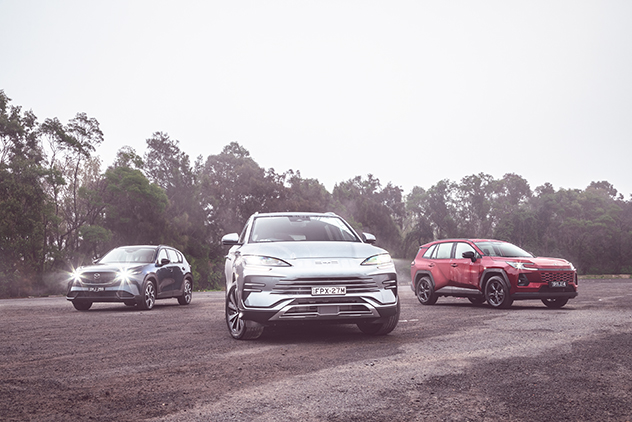
Here, we’ve assembled three of the segment’s most popular options, each promising something different to new car buyers.
The Toyota RAV4 is the original and in many buyers’ eyes, the safe bet. From its first conception in 1994, the RAV4 has pioneered the segment and in modern times has helped normalise hybrid technology with its introduction in 2019. The new RAV4 landed in May.
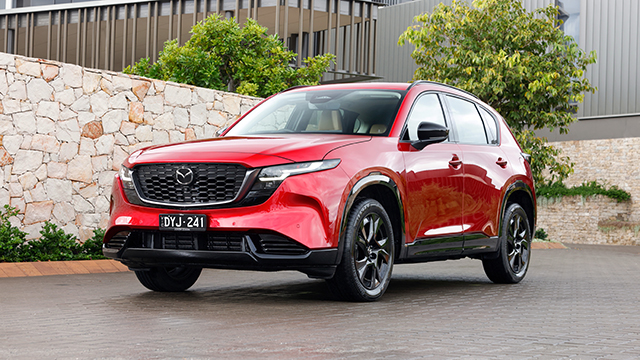
If the RAV4 is the natural yardstick, then the Mazda CX-5 is the segment’s perennial challenger – continually keeping the Toota accountable since its 2012 introduction with benchmark dynamics though still no hybrid or electric options in third generation form.
Then there’s the new guard. An armada of rivals – most from China – have joined Australia’s most popular new car segment in recent months. Chief among them is the BYD Sealion 6, a vehicle promising excellent fuel efficiency courtesy of its plug-in hybrid powertrain, as well as inherent affordability and value.
Let the games begin.
Pricing and specifications
You can have your mid-size SUV in many guises. Here, we’ve gone off the affordability marker of candidates below $50,000 – a fitting yardstick in the current economic climate.
All three vehicles here find themselves at the more modest end of their model walks. The Toyota RAV4 GX is priced from $45,990 (plus on-road costs) and is the most affordable option here, with the BYD Sealion 6 Dynamic Extended Range next at $46,990 (plus on-road costs) and the Mazda CX-5 Touring our most expensive at $47,490 (plus on-road costs).
The Toyota might win the price argument, but it skimps heavily on equipment to do so. Cloth seats, manual seat adjustment, smaller 17-inch wheels and a Spartan interior are de rigueur in the base Toyota. The more expensive GXL ($48,990 plus ORCs) remedies a few of these issues, but there wasn’t one available on test and it would exceed our $50,000 budget.
All three offer centre touchscreens of varying sizes, digital instrument clusters and connection to Apple CarPlay and Android Auto, Bluetooth, keyless entry and start, climate control, rear air vents, and LED headlights and tail lights.
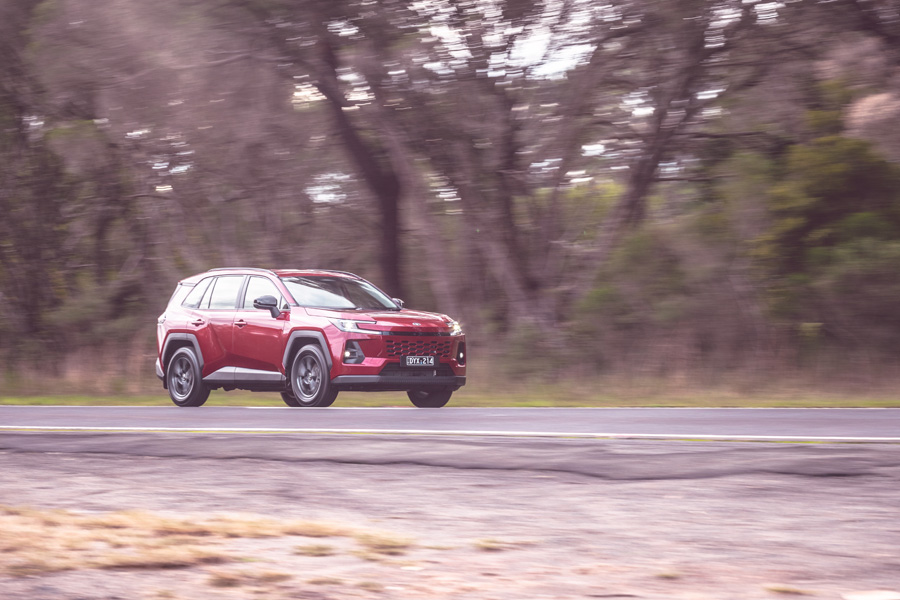
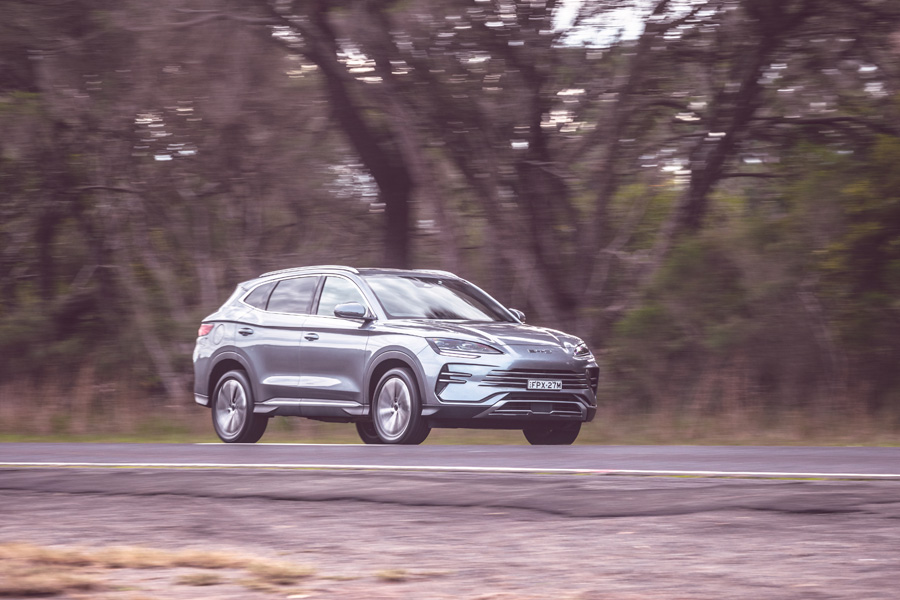
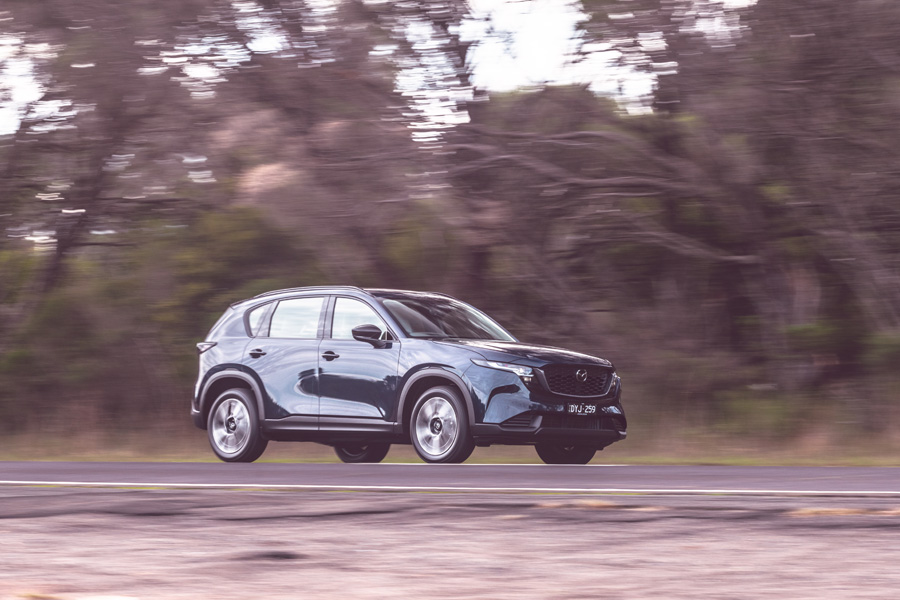
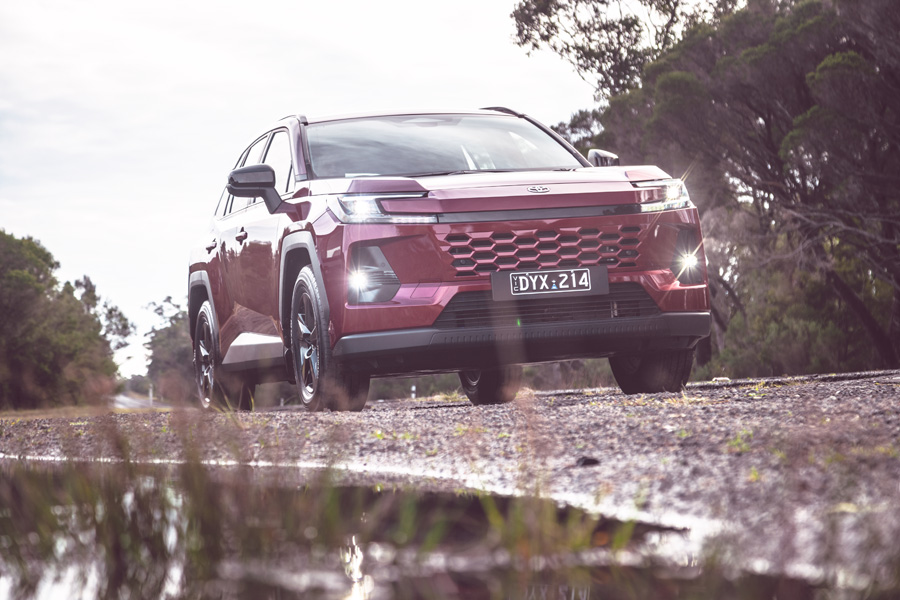
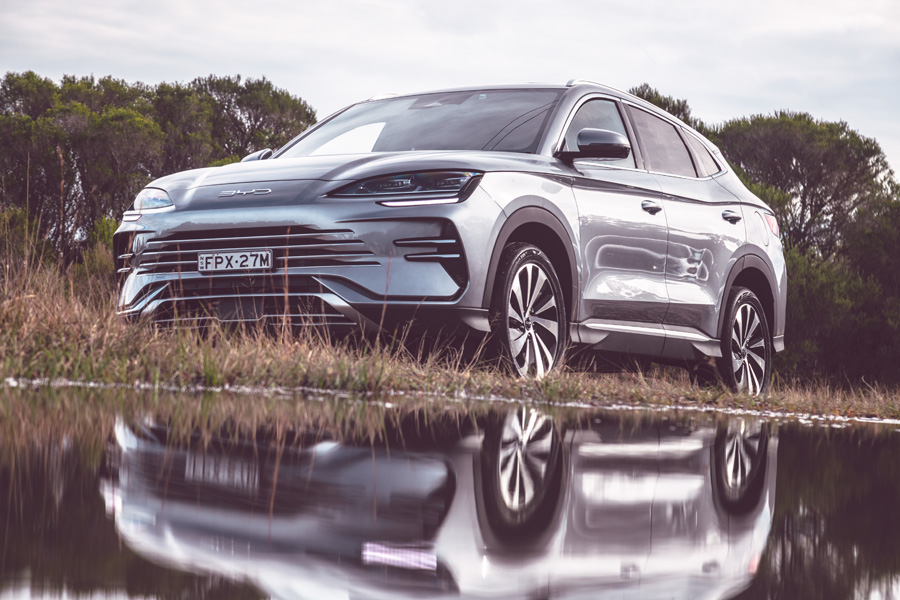
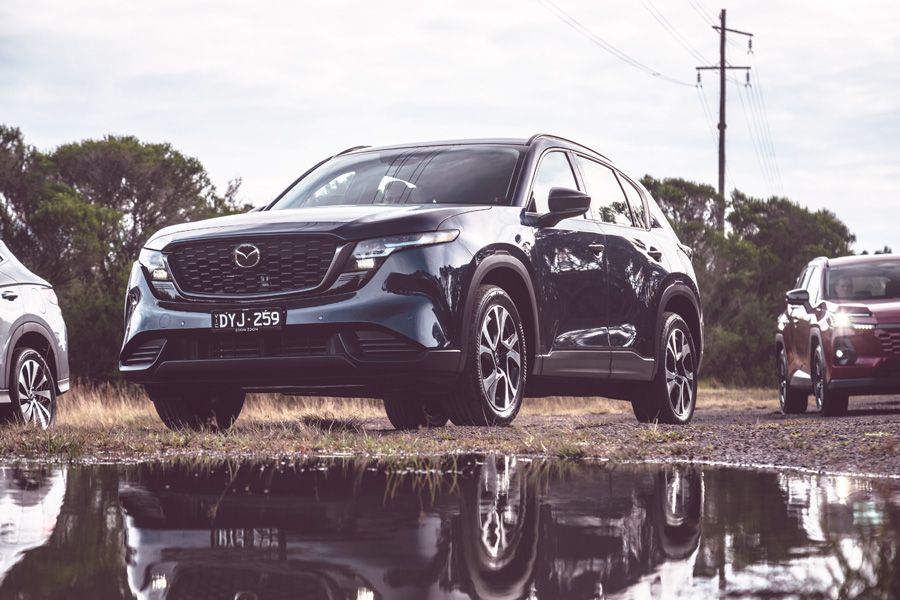
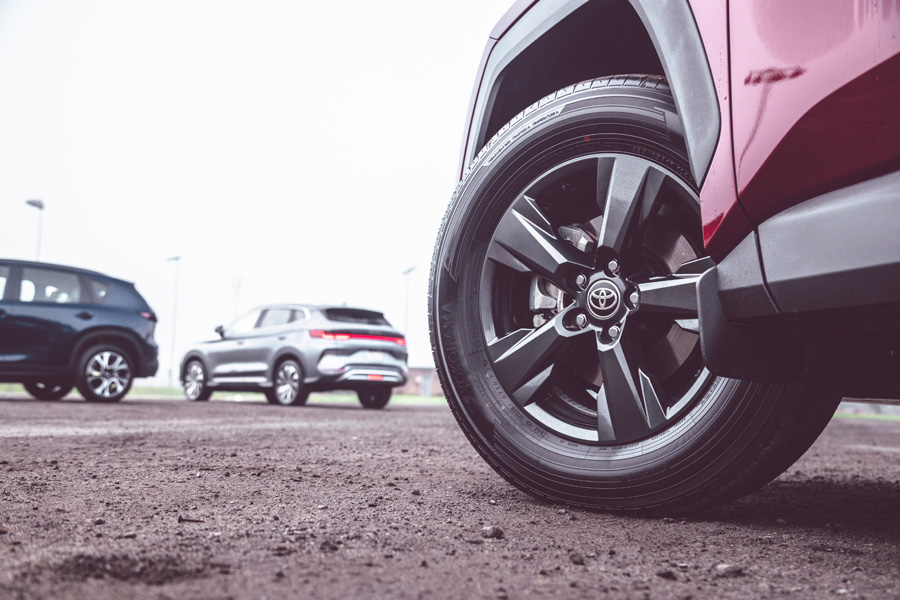
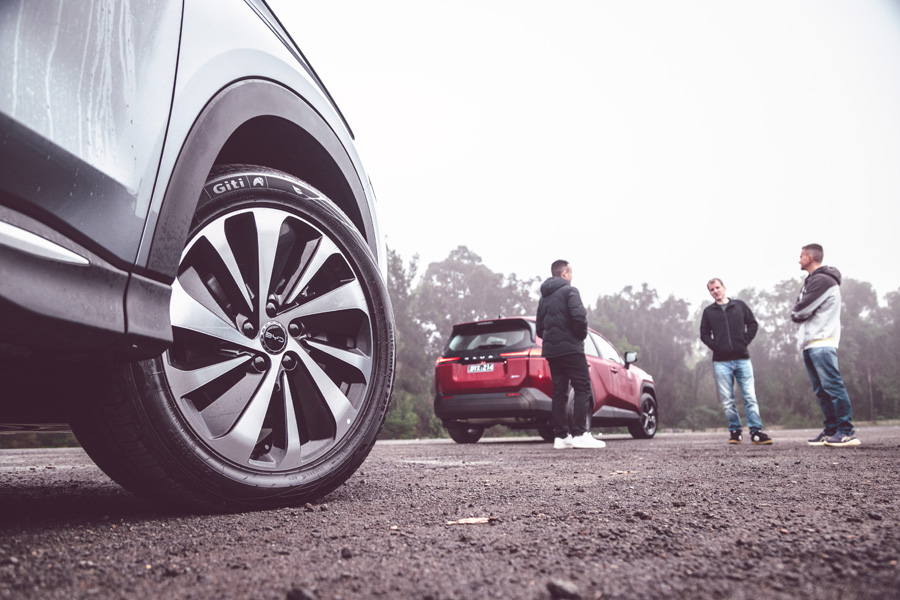
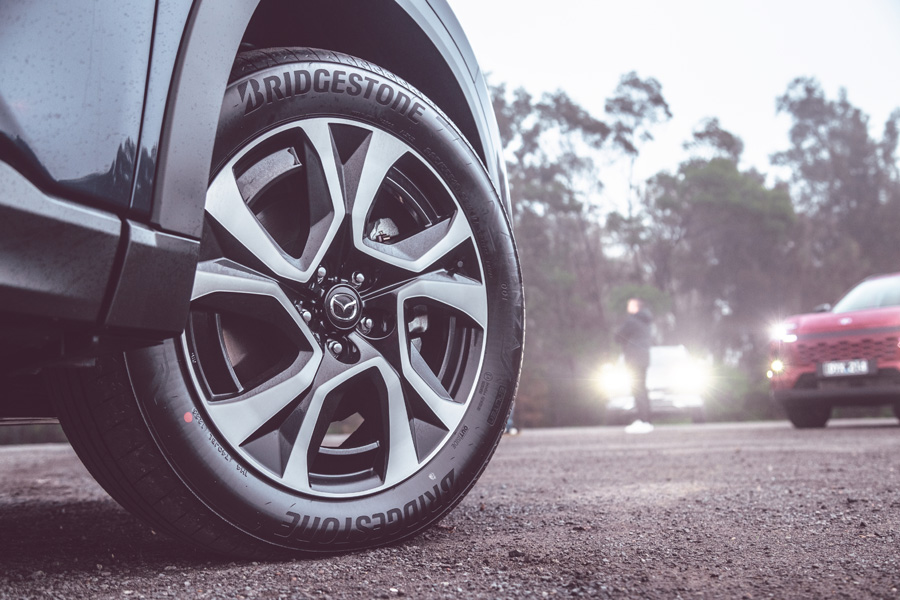
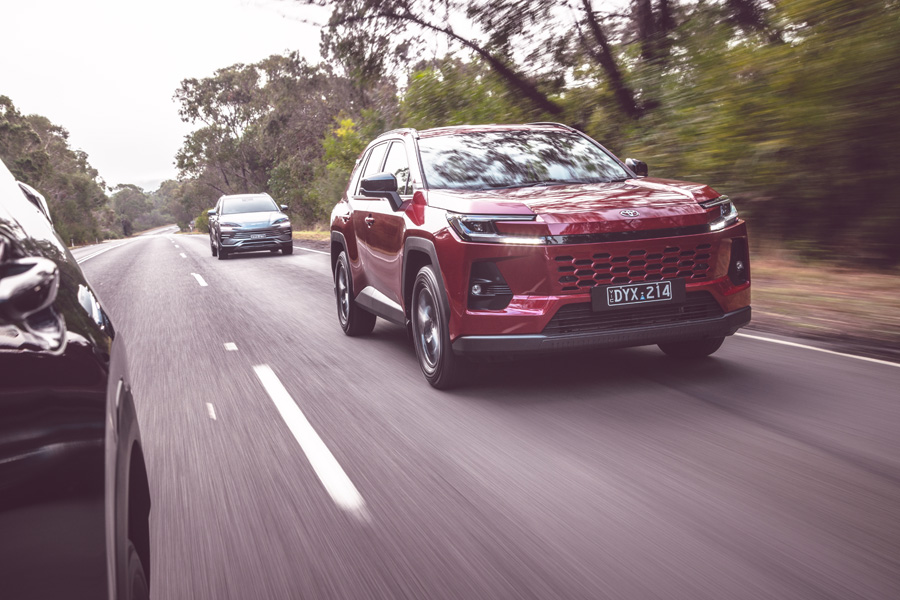
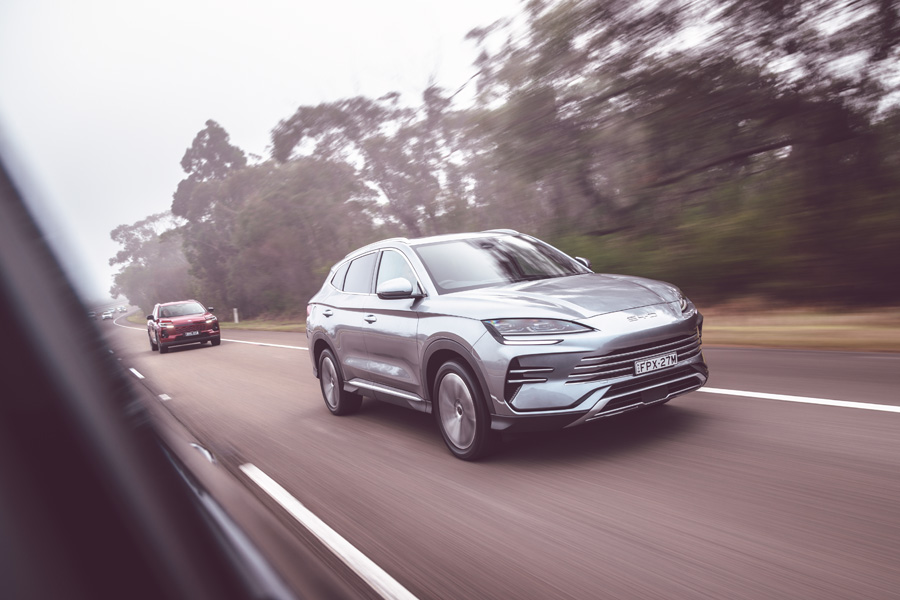
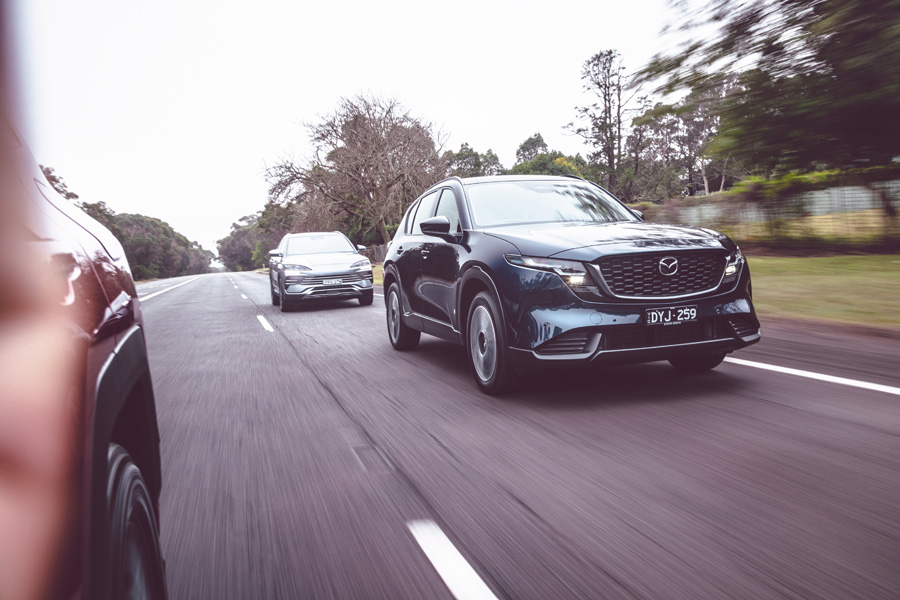
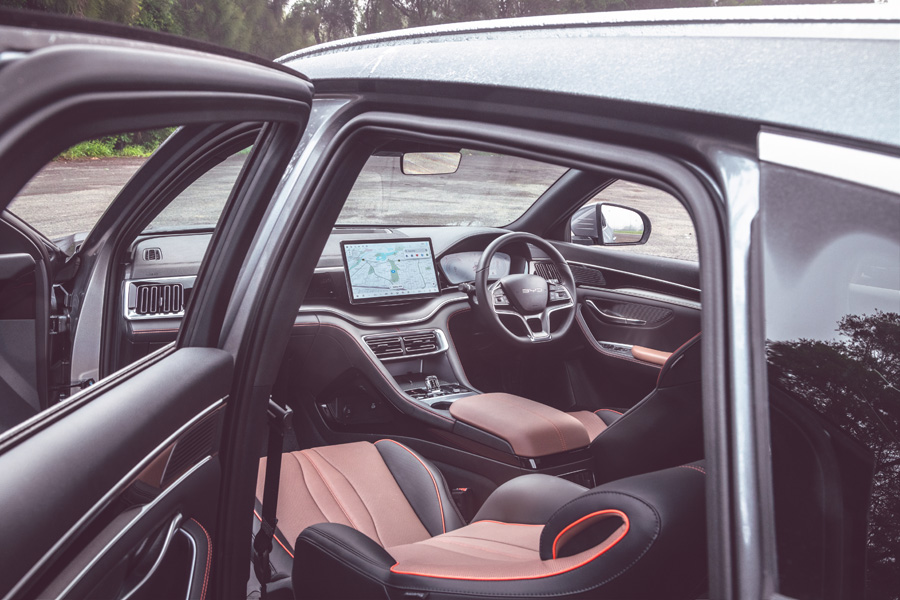
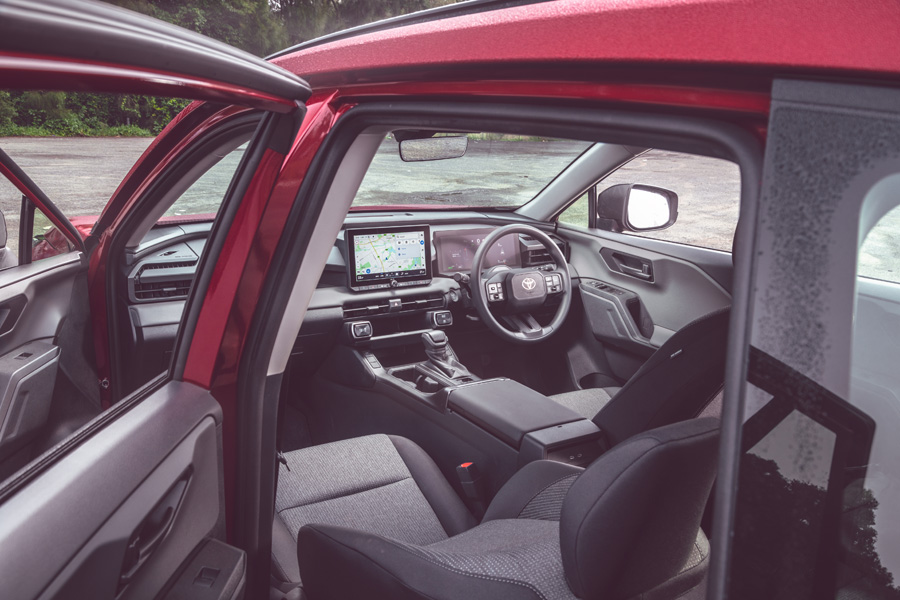
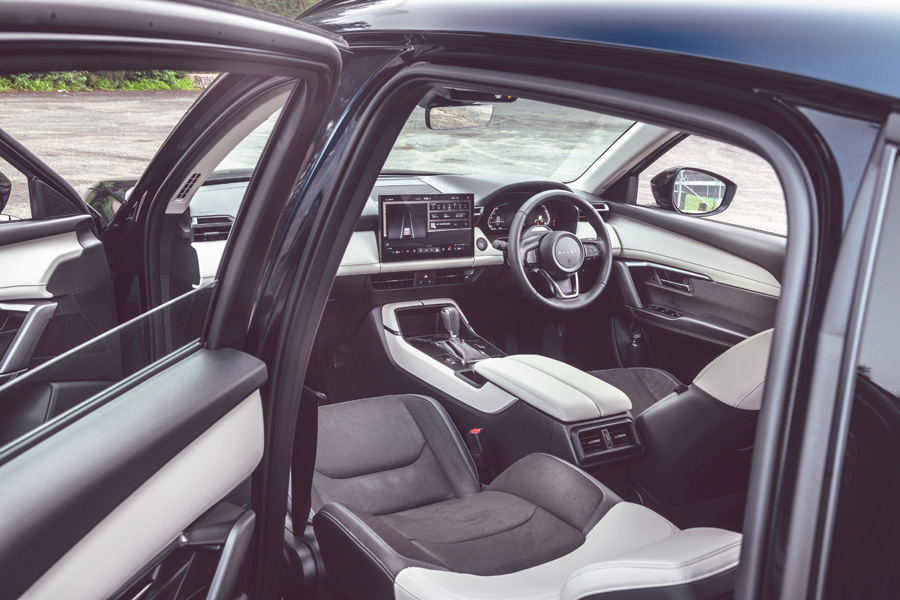
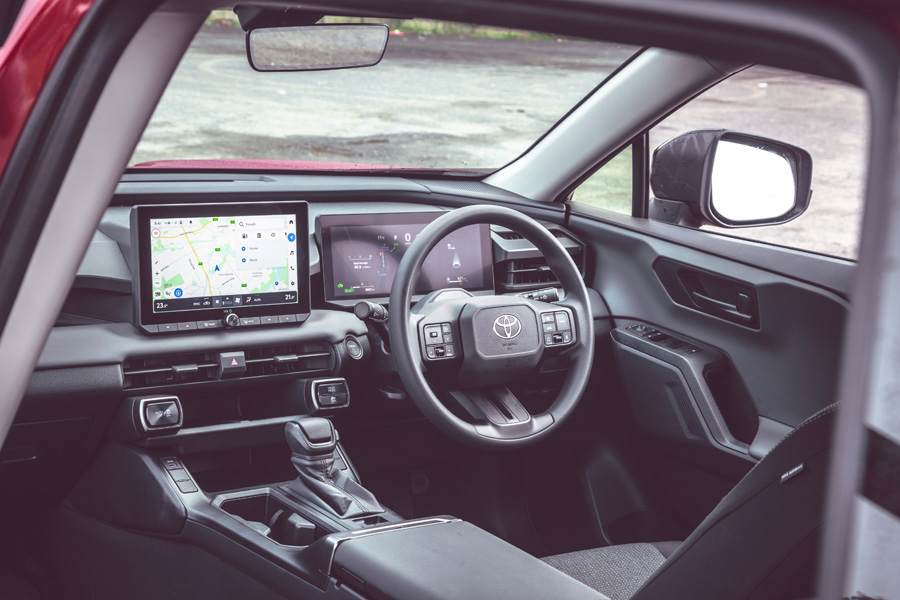
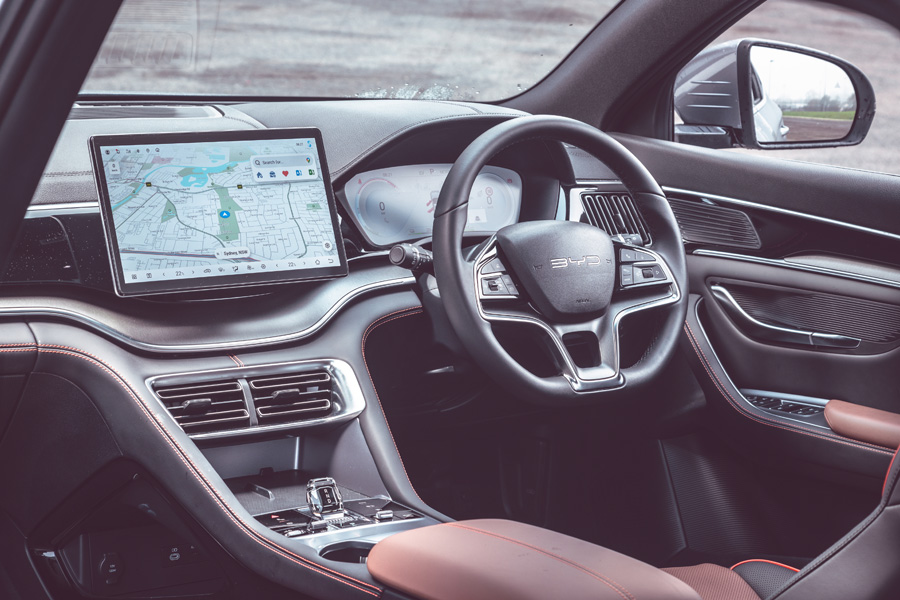
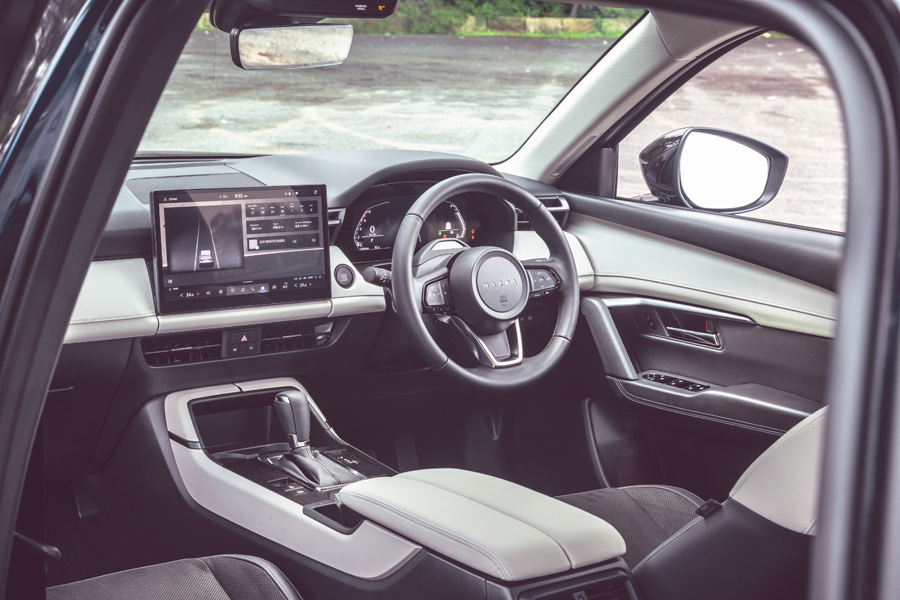
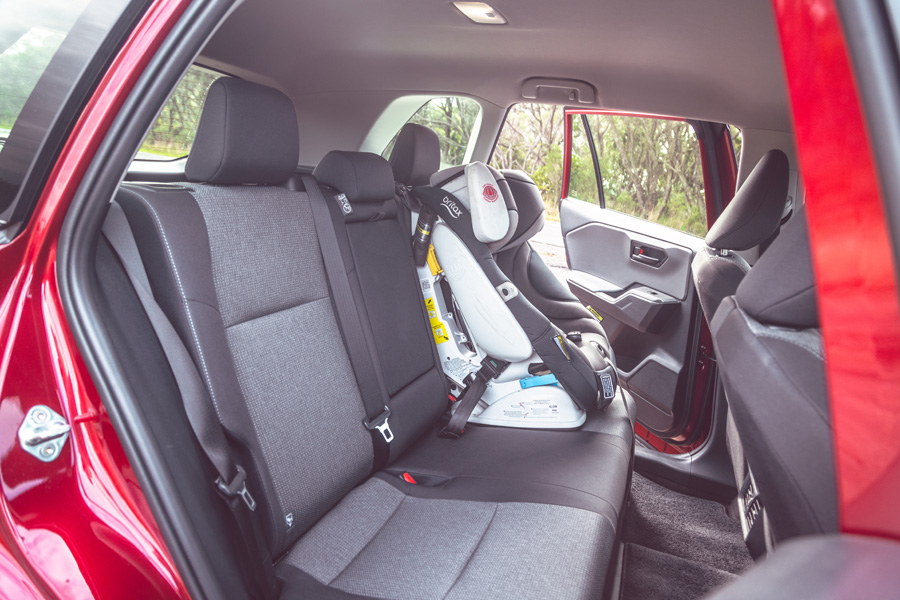
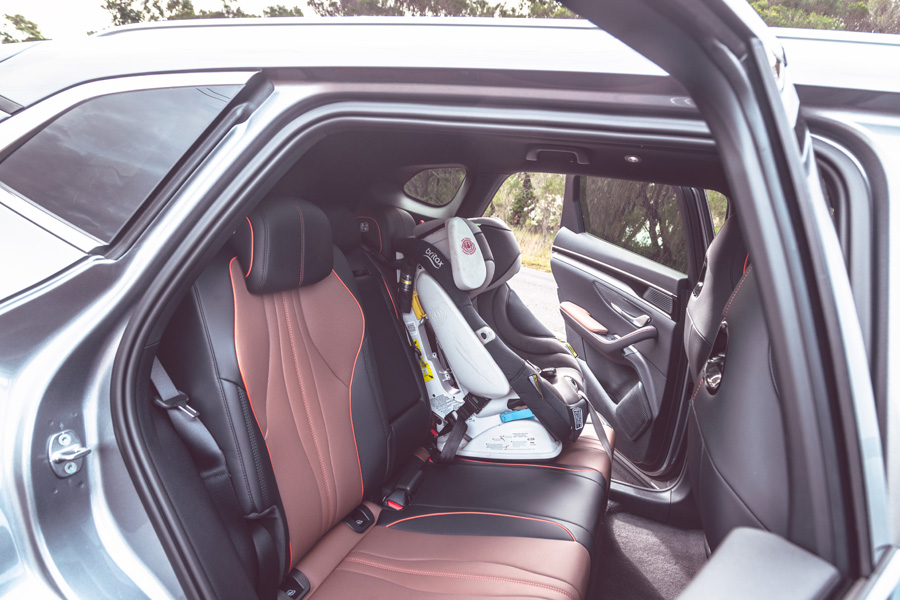
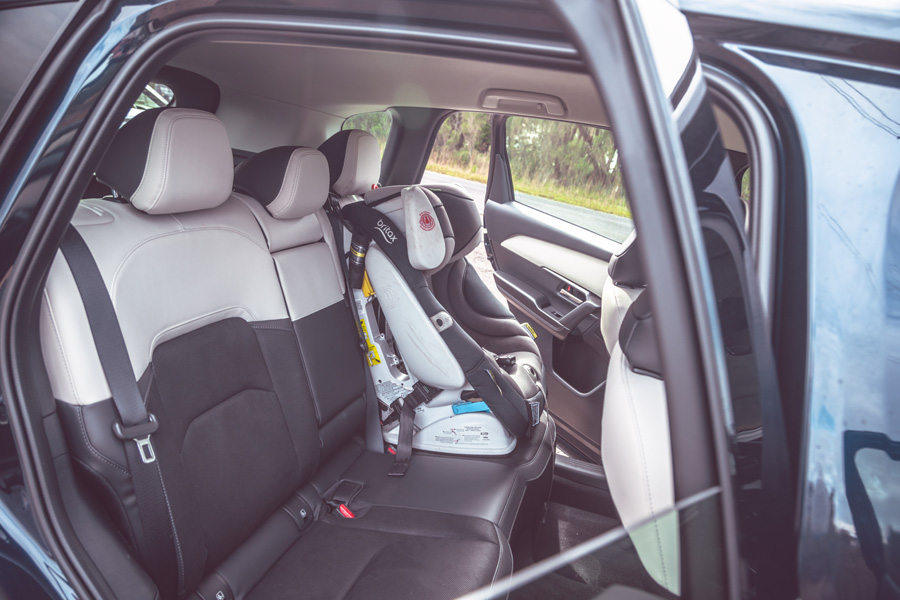
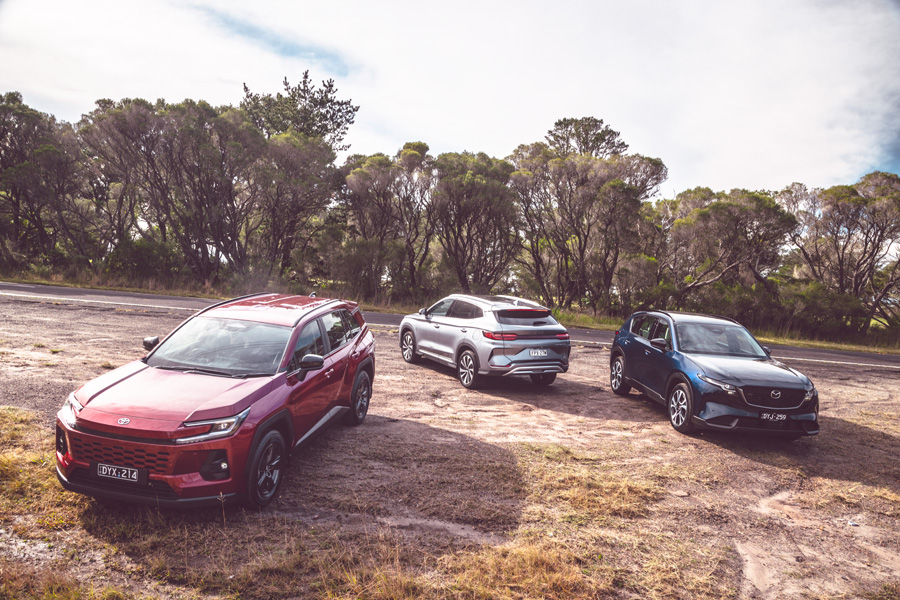
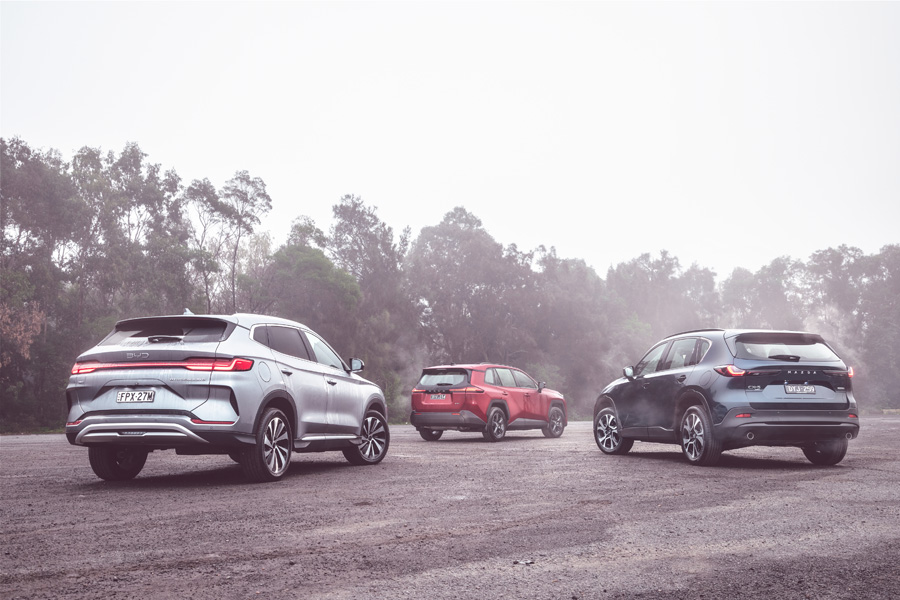
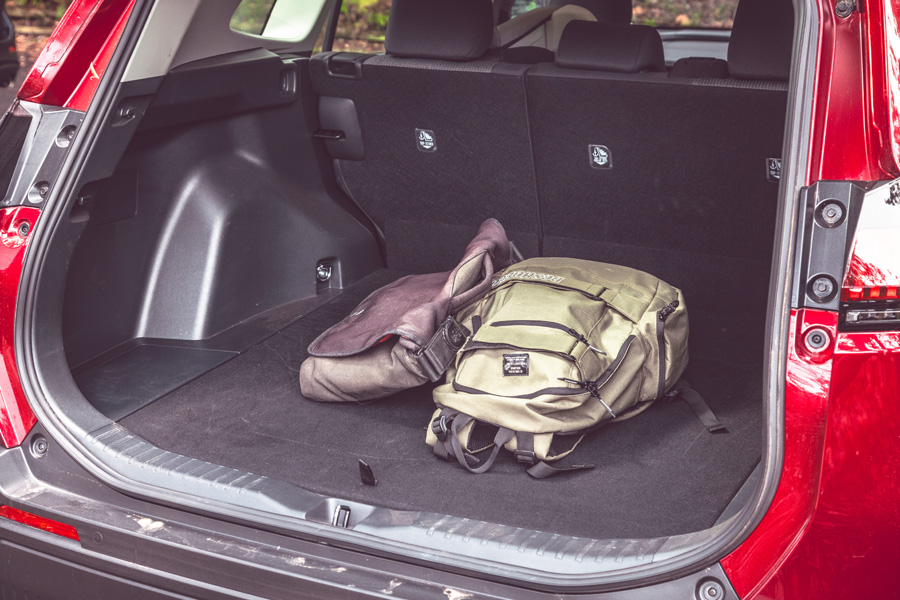
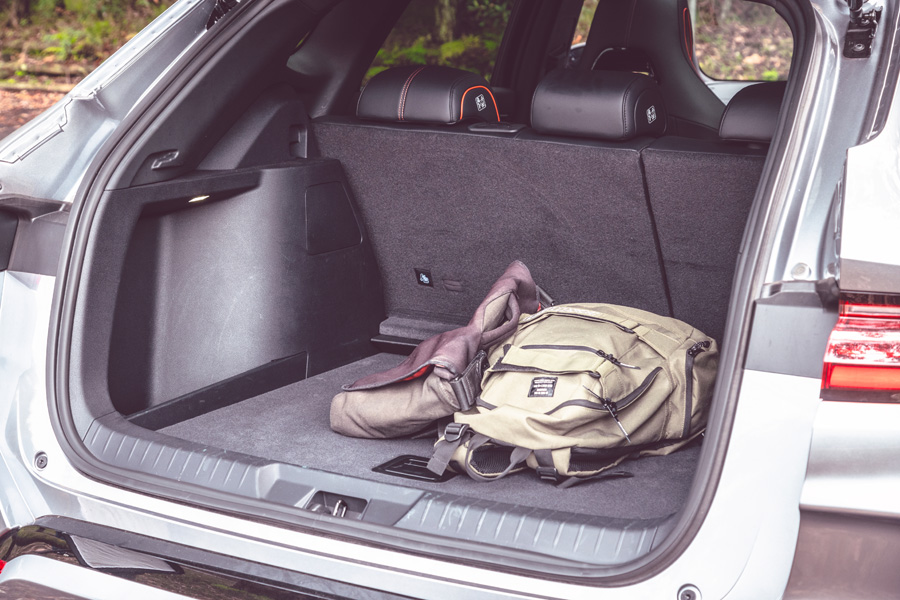
The Mazda stands alone with an electric tailgate in this comparison, but no rear seat power outlets of any kind. The Sealion 6 gets rear privacy glass. Both the Mazda and the BYD offer 19-inch alloy wheels and artificial leather interior upholstery.
All three vehicles offer a full suite of airbags, and the latest safety features and driver aids, including autonomous emergency braking, blind spot monitoring, driver attention monitoring and more. Those features come with some degree of annoying chimes and sounds while driving; it seems no party is innocent in 2026.
The Mazda and BYD both offer a five-star ANCAP safety rating while the RAV4 will go unrated until at least the end of the year while Toyota makes “enhancements to the passive and active safety systems”.
BYD covers the Sealion 6 with a six-year, 150,000km new vehicle warranty, and its ‘Blade’ battery for eight years or 160,000km. Servicing intervals are rated at every 12 months then 20,000km, while capped servicing costs are set at $4549 for 11 years – or $413 annually.
The RAV4 is backed by a five-year/unlimited kilometre warranty while servicing intervals are set at 12 months of 15,000km. Annually servicing is priced at $325.
Finally the Mazda CX-5 matches the Toyota on warranty fixture and servicing intervals. Servicing costs average out at $435 annually over the first five years of ownership.
Interior layouts and execution
The CX-5 offers incremental changes on previous generations, with new screens and moderate storage throughout. Far and away the Mazda’s biggest advantage is its interior proportions, with the best balance of space across both rows of seating and the boot area, as well as its general presentation and use of materials. At this end of the market, the Mazda offers an impressive fit and finish for the price – the exception being no rear seat power outlets on test car.
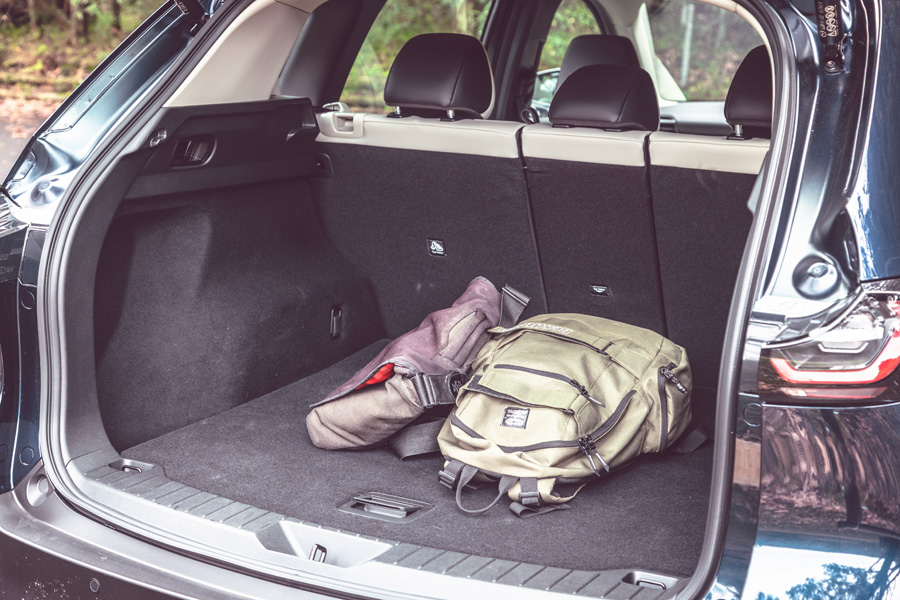
The Mazda’s boot area is the best of the three spatially, with a 466-litre luggage area, superior 40:20:40 split-fold seats with boot-mounted levers, a 12-volt power outlet and a luggage cover
The BYD is close second, with a busier interior styling scheme that can’t quite match the Mazda for luxe factor, but resembles it closely in terms of comfort. The Sealion 6 offers the best use of incidental storage up front thanks to a large open cubby integrated into the transmission tunnel – perfect for odds and ends.
The BYD’s second row space is a clear winner in this comparison too, servicing by large door apertures as well as seats that offer reasonable recline adjustment. The BYD loses points for its high-set window line (obscuring the outlook for little ones) as well as its marginally smaller 425-litre boot, and the absence of a spare tyre of any kind – the only one of this three.
That leaves the Toyota. The steering wheel comparatively feels like coarse plastic in your hands, while the interior is dressed like the inside of a tackle box: open cubbies and storage everywhere, but the styling consideration of a cheap rental car. The RAV4 is adorned in harder-wearing contact points and it lacks the same rear seat space of the Mazda and BYD, with narrower shoulder space and less knee room
Despite manual seat adjustment and a smaller screen than rivals, the RAV4 still covers the basics with three USB-C ports up front, rear air vents and two USB-C ports in the rear – ensuring it keeps pace. The boot is on par too, accessed by a moderate opening and complete with some hidey holes for storage.
Powertrains and efficiency
There are many methods of propulsion for a mid-size SUV, as demonstrated by our three proponents.
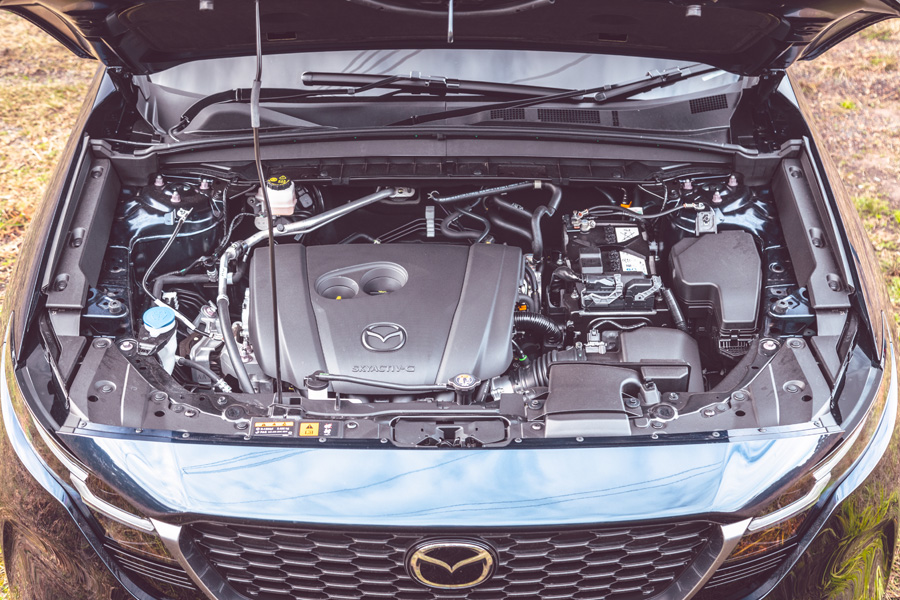
The Mazda is the most traditional (read: oldest) configuration of our three: a 2.5-litre naturally-aspirated four-cylinder matched to a six-speed automatic transmission. It doles out 132kW and 242Nm – interestingly less than the model it replaces – together with a fuel efficiency claim of 7.4L/100km. More on this later.
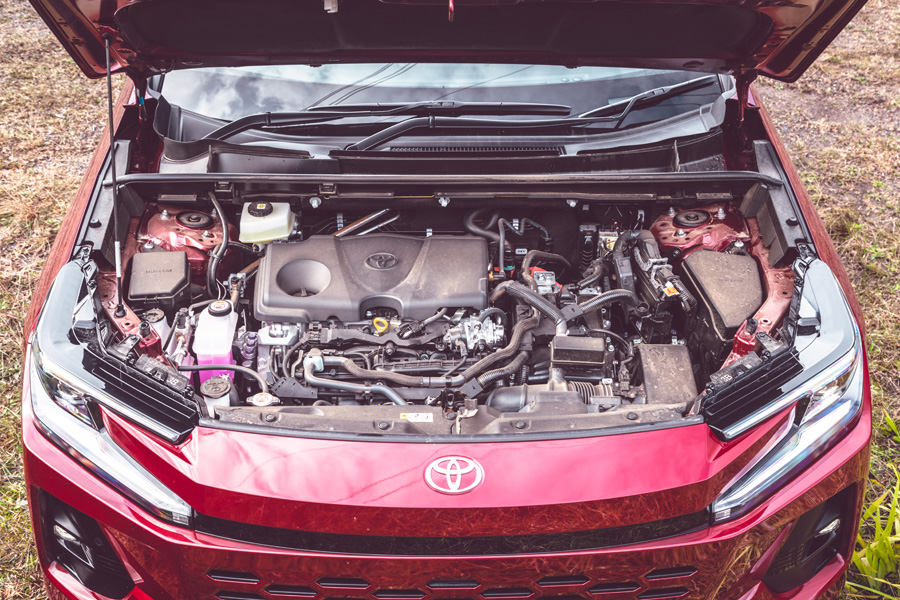
Next up, the RAV4’s tried and tested hybrid (HEV in formal speak) adopts minor changes as part of this facelift, including a new front electric motor and an updated lithium-ion battery. They compare with a 2.5-litre naturally-aspirated four-cylinder engine to produce 143kW and 22Nm in total, together with a combined efficiency rating of 4.5L/100km claimed.
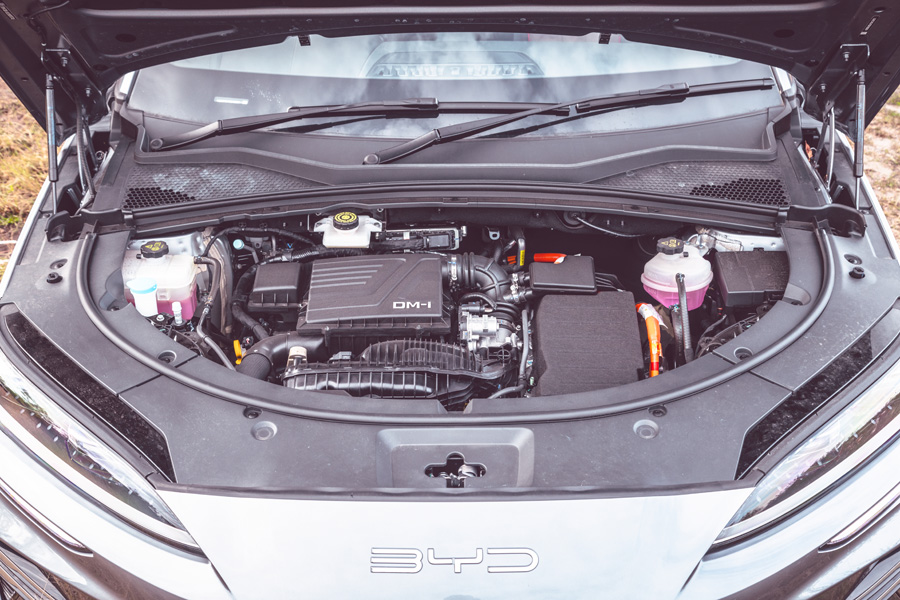
Finally the BYD Sealion 6 takes the game forward by offering a plug-in hybrid powertrain, or PHEV. In layman’s terms that means the ability to operate like a regular hybrid – using the petrol engine in concert with the electric motor – or as strictly electric proposition courtesy of its claimed 140km electric driving range in this guise using the dated NEDC cycle. The real-world conversion is closer to 100km.
The drivetrain offers combined outputs of 160kW and 300Nm, together with a combined fuel consumption claim of 0.8L/100km. The real-world figure wasn’t quite so efficient. Recharging the car from a household power point will take roughly 12 hours, while an 7kW AC charger whittles that down to 7 hours, and an 18kW DC charger takes a claimed one hour.
The downside of the BYD’s drivetrain is weight; at 1995kg, it is comfortably the heaviest of our three, which all utilise MacPherson strut front suspension and multi-link rears with passive dampers.
Another handy inclusion is the Sealion 6’s Vehicle to Load capability, which makes it possible to charge small electric appliances on the go.
Driving
The CX-5 has traditionally held a mortgage on mid-size SUV driving dynamics, so it makes sense that we start here for this comparison.
Happily, the third-generation carries over in terms of balance and light-footedness, offering discerning drivers a more polished experienced with its precise steering and excellent body control but with a busier ride.
Where it lacks is drivetrain. You could be mistaken for thinking you’d zipped back to 2012, such is the coarseness and languidness of the drivetrain. The atmo four-cylinder percolates in the mid-range and revs quite willingly, but it is heavily reliant on the outdated gearbox to stay in its sweet spot. This correlates with fuel use: we average 8.5L/100km on test.
Next up the RAV4 offers more or less carryover dynamics too. Much like its interior fit out, there’s an inherent focus on utility, with a naturally higher set driving position than rivals, and less consideration around the weighting of its steering.
The RAV4 is more proficient at suppressing bumps than the CX-5 but is also less effective in telegraphing feedback. It is slightly quieter than the Mazda in terms of suppressing road noise, and proves markedly better in terms of fuel consumption, sipping 5.4L/100km on test.
You could argue the major chink in the BYD’s armour is driving characteristics. In this established company it feels comparatively floaty in terms of ride and disconnected in terms of body control, a virtue of its heavier kerb mass. On rougher roads, it will take a moment longer to regather composure over big undulations, and feels more lethargic during changes in direction; moreover, the Sealion’s steering feels quite inert and its brake pedal is inconsistent and spongy in modulation.
However, in isolation, these character traits are far less noticeable, and there’s an argument to say an owner will quickly adapt to the BYD’s road tuning – especially on ordinary roads. We certainly found that to be the case by the end of our circa 900km loan, by which time we are enamoured with the sereneness of its cabin and its inherent ease of use around town and in commuting.
The Sealion 6 offers a straightforward toggle to go between strict-EV mode and HEV mode, which uses a combination of petrol and electric power. It proves to be the most efficient of our trio on test when running as a default hybrid, averaging 5.0L/100km. Its 140km-claimed driving range also seems quite plausible based on our testing.
Verdict
If we’re honest, the verdict in this comparison is a difficult one to arrive at. The Mazda simply doesn’t move the game ahead with its ageing drivetrain and platform – no matter how nice the interior or tech is.
The Toyota, while remarkably efficient and pragmatic in terms of resale, build quality and depreciation, merely feels like a modest facelift on the seven-year-old vehicle it replaces too. The fact it does so while charging customers more, and offering minimal value, only detracts its case.
That leaves the BYD. Best value, most sophisticated drivetrain, spacious cabin, and a serene, no-fuss driving experience.
It gets the win, in a somewhat surprising result reflecting fast progress on BYD’s part as much as it does legacy brands resting on their laurels. The result promises silver platter-buying for consumers, who really are spoilt for choice.
|
Manufacturer |
BYD |
Toyota |
Mazda |
|
Model |
Sealion 6 Dynamic Extended Range |
RAV4 GX |
CX-5 Touring |
|
Engine |
1.5-litre 4 cylinder PHEV |
2.5-litre 4 cylinder hybrid |
2.5-litre 4 cylinder |
|
Power |
160kW |
143kW |
132kW |
|
Torque |
300Nm |
221Nm |
242Nm |
|
Gearbox |
1-speed automatic |
e-CVT |
6-speed automatic |
|
Economy |
0.8L/100km (claimed) |
4.5L/100km (claimed) |
7.4L/100km (claimed) |
|
ANCAP |
5 stars |
Not rated |
5 stars |
|
Price |
$46,990 (plus ORC) |
$45,990 (plus ORC) |
$47,490 (plus ORC) |