Modern giants: how much bigger cars have become

Automotive design is a constantly evolving process, reacting to everchanging car-buying patterns and other requirements from vehicles.
From the need to meet more strict safety standards, to consumer demand for additional interior comfort and the ability to transport more cargo, cars have grown considerably both in size and weight over the decades.
We take a look at some of the more extreme examples of this growth across a variety of legacy nameplates.
Mini Cooper
822mm longer, 670kg heavier
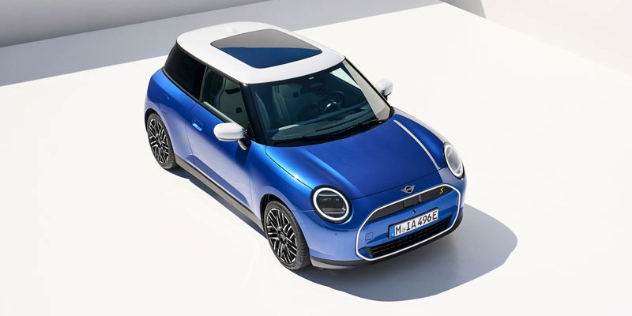
The original Mini Cooper was an engineering and packaging marvel. Measuring just 3052mm long and 1422mm wide, it weighed 590kg and could carry four passengers.
A 2025 Mini 3 Door is 822mm longer, 322mm wider and 53mm taller. It’s also 670kg heavier. That’s a 113 percent weight increase.
Porsche 911
252mm longer, 440kg heavier
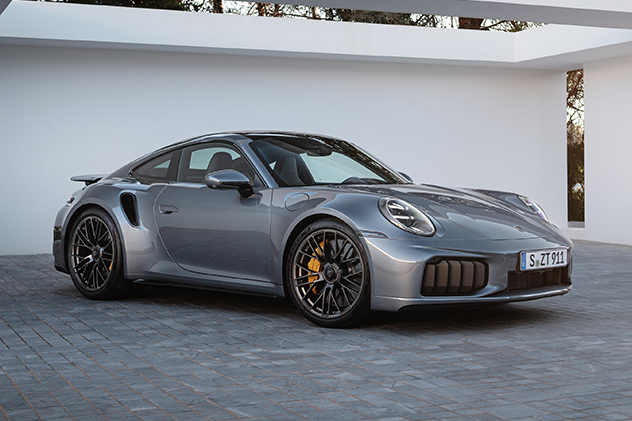
Park a modern Porsche 911 next to the 1964 original and you’ll be shocked. Where the original measures 4290mm long and weighs a dainty 1080kg, a 2025 911 Carrera is 4542mm long and hits the scales at (a still respectable) 1520kg. A Turbo S Cabriolet, however, is 1810kg!
It’s in the hips, too, with a 2026 Turbo S measuring nearly 300mm wider than the original 911 – and that’s without side mirrors included.
Toyota RAV4
920mm longer, 500kg heavier
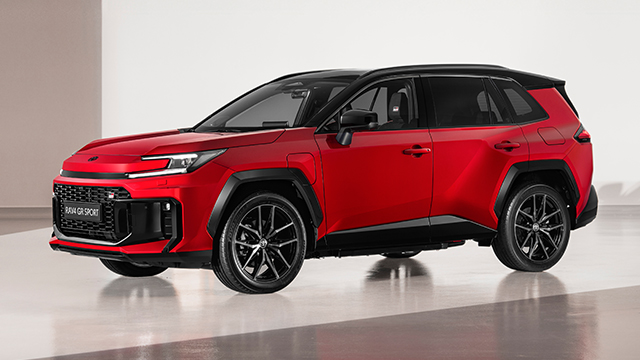
One of Australia’s most popular cars today, the pioneering Toyota RAV4 was tiny when it launched as a two-door SUV in 1994.
Now a five-door with a big boot, the current RAV4 GX is 920mm longer, 170mm taller and 35mm wider than the original. It’s also half a tonne heavier.
BMW 3 Series
358mm longer, 505kg heavier
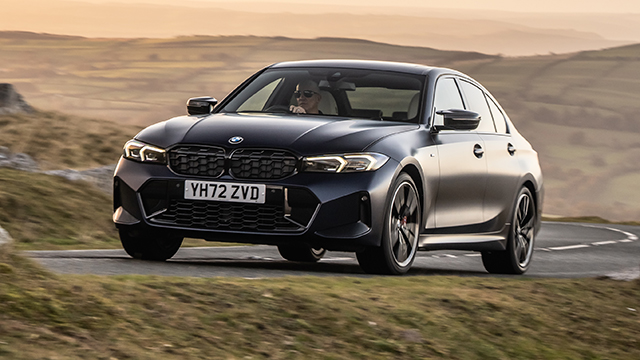
A two-door welterweight when it debuted in 1975, the E31 BMW 3 Series hit the scales at 1020kg.
Today’s 330i equivalent has grown an extra pair of doors and weighs in at 1525kg and is some 358mm longer, 217mm wider and 60mm taller.
Toyota HiLux
1020mm longer, 640kg heavier
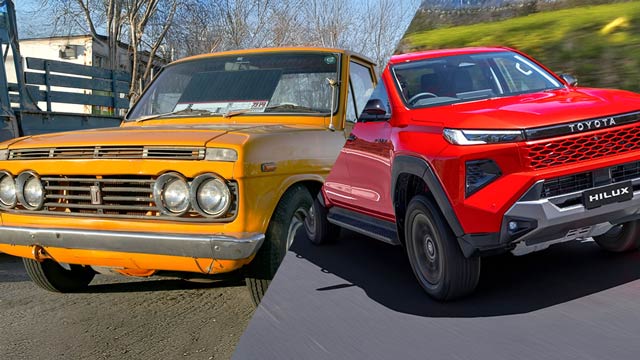
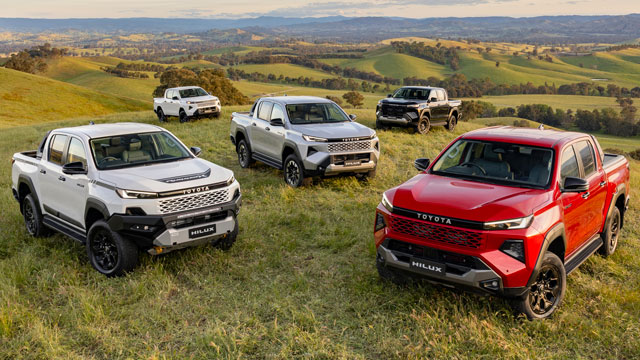
A top-seller in Australia, the Toyota HiLux ute has always been a workhorse, but with more being asked of light commercial vehicles in terms of payload, occupant comfort and overall safety, it’s gained some size and heft.
Comparing its smallest variant from its original 1968 release to the smallest and lightest 2026 variant, we see the once-small ute has grown a whopping 1020mm in length, gaining 640kg on the way.
Honda Civic
1271mm longer, 785kg heavier
Once a staple of compact motoring, the Honda Civic is now anything but. At its 1972 launch, the pint-sized, two-door Civic hatch tipped the scales at just 680kg.
Gaining two doors, morphing into a sedan shape, and a hybrid system since, the entry 2026 Civic model now weighs in at 1465kg for a massive 115 per cent increase in heft. It also measures 1271mm longer – more than a third of its original total length.

Nissan Patrol
1700mm longer, 1313kg heavier
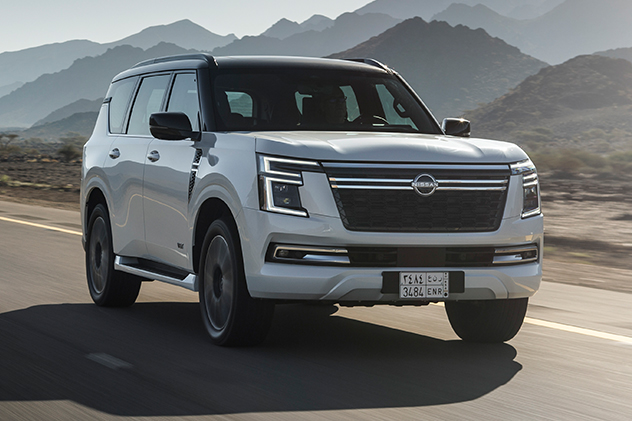
Originally only available in what would later be called the ‘short’ wheelbase variant, the 1951 Nissan Patrol marked the tape at 3650mm of length. Fast forward to 2026, and the Y63-generation Patrol does it at 5350mm, representing a growth of 1700mm – nearly half of the original model’s overall length.
Weight has almost doubled over those 75 years as well, the scales tipping now at 2813kg in the Patrol’s heaviest guise compared to just 1500kg back in the ‘50s, for a gain of 1313kg.