Australian domestic tourism buoyant despite fuel crisis

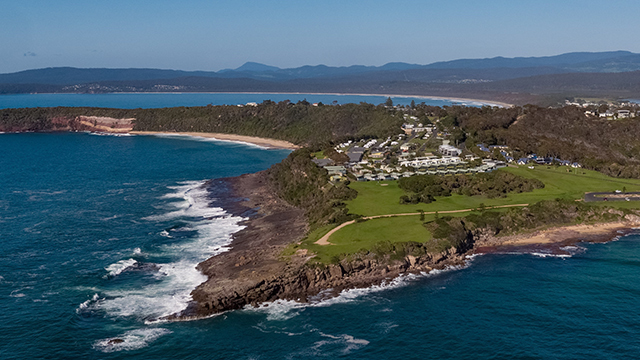
New data from NRMA Parks and Resorts shows resilient demand for Australian road trips despite the Middle East fuel crisis, following a promising Easter holiday period and strong bookings leading into the off-peak season.
NRMA Parks and Resorts brand and partnerships manager Paul Morton told Open Rod that Australian families had defied increasing fuel prices and a tough economic outlook and followed through with their travel plans.
“Australians are bouncing back strongly after the initial fuel concerns, with NRMA Parks and Resorts seeing bookings rise 30 per cent week-on-week, alongside a lift in online traffic and calls, as families continue travelling through the second week of school holidays and into the ANZAC long weekend,” Morton said.
“We’re seeing that Australians are still really keen to get out on the road and travel and aren’t willing to give up their holidays."
“While there may be some extra costs at the bowser, we’re doing all we can to help offset this with great savings for our members with special offers on accommodation, plus discounts on fuel, dining and experiences,” Morton said.
The petrol crisis has put an exclamation point on an already tough Australian economy, with diesel prices surging past $3 per litre and petrol still close to $2.20 per litre nationally even with a recent cut to the excise.
The flow-on effect has been tangible for some tourism operators, with Canberra’s National Zoo and Aquarium noting a 10 per cent dip in their typical Easter visitation.
Others, including the Tourism Industry Council Tasmania, said they were largely unaffected by the fuel crisis over the recent break.
It comes as the petrol crisis continues to play out in Australia.
The country has 30 days of diesel in reserve and has secured fuel shipments until May. However, a surge in demand means there are fuel stations around the country reporting shortages, with recent data showing over 550 outlets (total of 7798) are without at least one kind of fuel.
Earlier this month, the federal government said there was no need for petrol rationing and the NRMA supports this approach as fuel supply remains at pre-conflict levels. However, as a precaution, the government did not rule out the possibility entirely if worst-case scenarios occur. Emergency regulatory powers are available if required.